
In the blue of the Egadi Islands amidst ancient stories of fishing, nature and gastronomic traditions
Favignana can be toured by bicycle, Lavanto and Marettimo can be reached by sea in one of the largest marine reserves

4' min read
4' min read
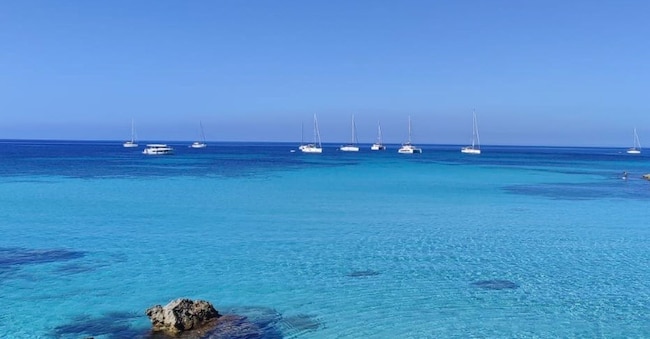
Just half an hour's sail from the north-west coast of Sicily, we land on another island where the rhythm of the sea punctuates the days and, amidst the nets of fishing boats and the deep gazes of fishermen, an ancient and fascinating history emerges. Favignana, the largest of the Egadi islands, has played a strategic role over the centuries along the trade routes to North Africa, welcoming the passage of the great Mediterranean civilisations that have left a deep mark on customs and traditions. Since the 19th century, the island has built its economic and cultural identity around fishing and tuna processing, activities that have become symbols of its history and the driving force behind its development. Among the natural wonders shared by the Egadi islands - of which Levanzo and Marettimo are also part - it is the sea that dominates: a marine protected area of about fifty-three hectares, the largest in the Mediterranean. An ecosystem rich in habitats and species to be protected, as precious as it is fragile, requiring constant protection and enhancement. Reachable by ferry and hydrofoil from Trapani and Marsala, the Egadi Islands offer a journey through crystal-clear waters and history.
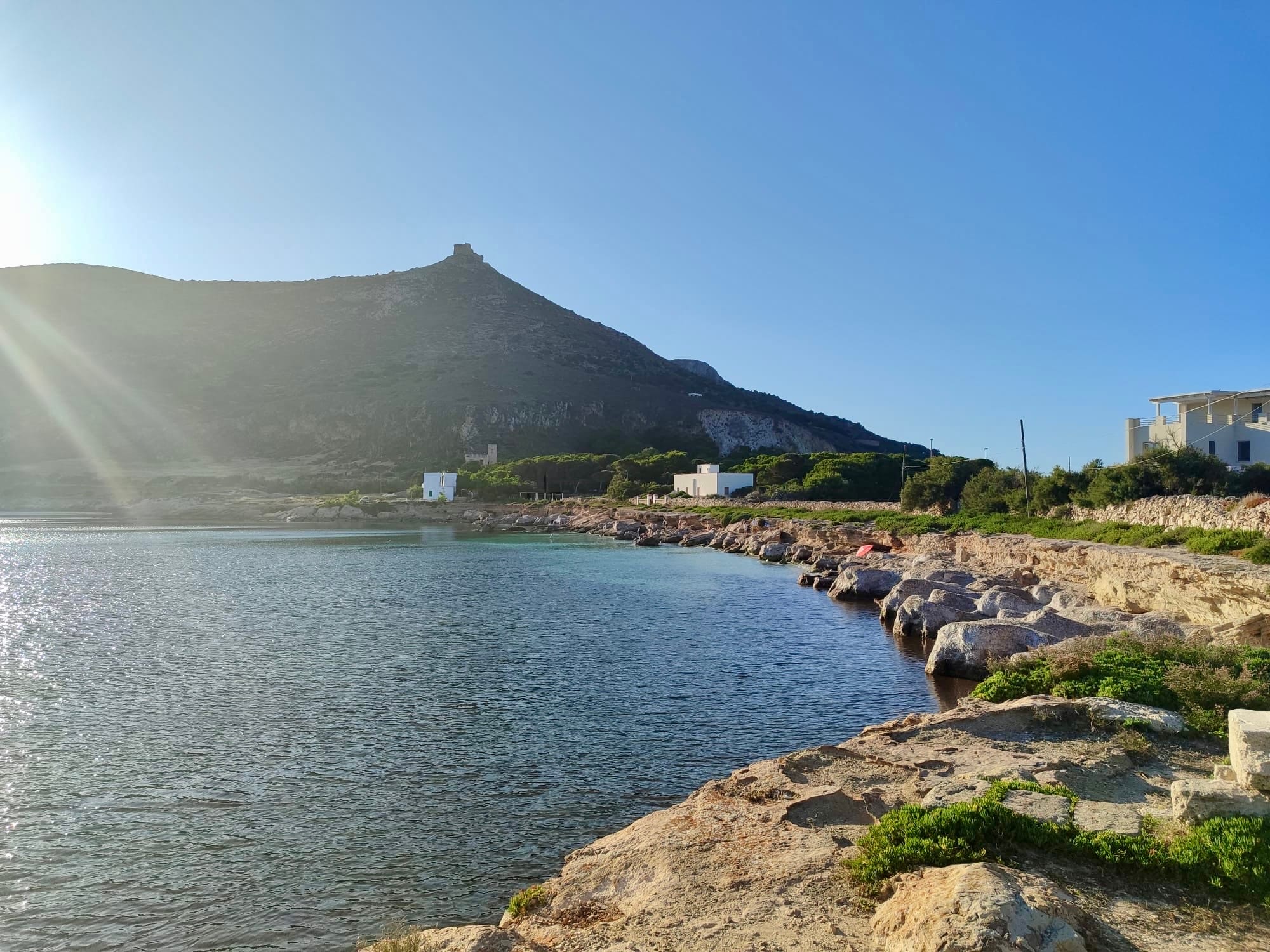
Favignana, an exploration at a slow pace
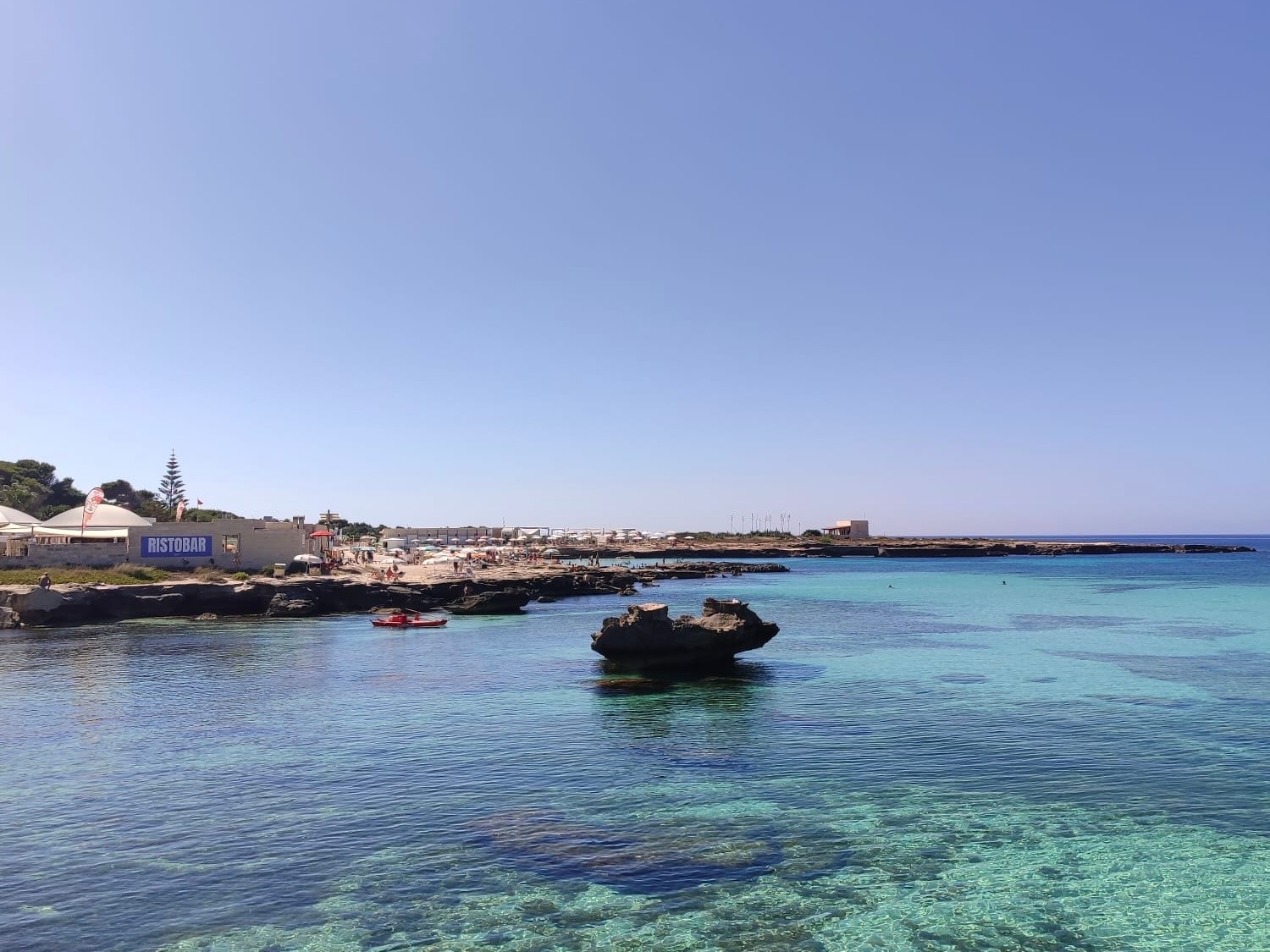
In Favignana, every day is a slow-paced journey of pedalling to hidden coves - the bicycle is the most popular means of transport, thanks to the flat terrain - snorkelling in limpid waters, invigorating swims and the stories of the Florio tuna fishery. Beaches occupy a special place in the wonders of this island, bays that open up to a sea of infinite shades of blue; the most convenient, in the centre of the town, is Praia, on the list of the most popular are Cala Azzurra, on the south-eastern side, and, further north, the rocky Cala Rossa, an unspoilt bay with sheer cliffs. Among the most picturesque is the Bue Marino beach with its caves and ancient tuff quarries, while Lido Burrone is a long sandy shoreline suitable for everyone. Not far from here is another sandy beach, Marasolo. Favignana's charm continues by sea for scuba diving enthusiasts, but also with boat excursions suitable for the whole family, ideal for spending a day in the company of local guides who, between bathing and sailing stops, reveal anecdotes and stories of the island.
Tuna, taste and traditions
.Once back ashore, a visit to the former Florio factory of the Tonnare di Favignana e Formica in the harbour area is a must. It was Ignazio Florio, in the mid-19th century, who built this industrial building and thus gave a boost to tuna processing and preservation, transforming the island into a production centre of excellence. Today, the old tonnara is a fascinating museum, a precious guardian of the collective memory: through videos, testimonies and perfectly preserved environments, one can retrace the ritual of tuna fishing, the lives of the men who worked there and the working techniques. For a leap further back in time, there is a visit to the Grotta del Pozzo, in San Nicola, on the eastern part of the island. This archaeological site preserves inscriptions and cave paintings dating back to Punic times, offering evidence of prehistoric human presence on Favignana. Not far away, proceeding towards the coast, one also encounters the so-called Bagno delle Donne, a cave carved out of the rock and connected to the sea; so called because it is hypothesised that it may have been used in Roman times as a spa, although more likely it was used for fish breeding. Favignana's culinary tradition also reflects an identity influenced for centuries by the passage of different Mediterranean civilisations, of which one of the typical dishes, fish couscous, is an emblem. In the Egadi Islands, gastronomy is mainly based on the flavours of the sea, first and foremost that of tuna; among the first courses, the typical fresh pasta of western Sicily, the busiati, can be tasted, while for the sweet tooth there is a wide choice of sweet delicacies such as cannoli, cassate, granite with brioche.
Levanzo and Marettimo
If Favignana is the liveliest and best known of the Egadi Islands, Levanzo and Marettimo represent its more reserved and authentic face: two islands where nature reigns supreme, amid lonely paths, sea caves and millenary evidence. Levanzo, the smallest of the archipelago, conquers for the transparency of its coves - best reached by sea - and for the Grotta del Genovese, one of the most important archaeological sites in the Mediterranean. Here, prehistoric engravings and paintings, discovered in 1949, tell a very ancient story dating back to the Upper Palaeolithic. Wilder and more remote Marettimo, the westernmost island of the archipelago, is criss-crossed by scenic paths that wind through Mediterranean scrub and sheer cliffs, leading to iconic sites such as the Castle of Punta Troia, an ancient Saracen tower overlooking the promontory. From the town centre, you can also climb up to the Case Romane, the remains of an ancient settlement from the imperial era, strategically located and enriched by the presence of a small Byzantine church. Sea caves, coves, crystal-clear water and a thousand-year history make the Egadi Islands a journey out of time.

