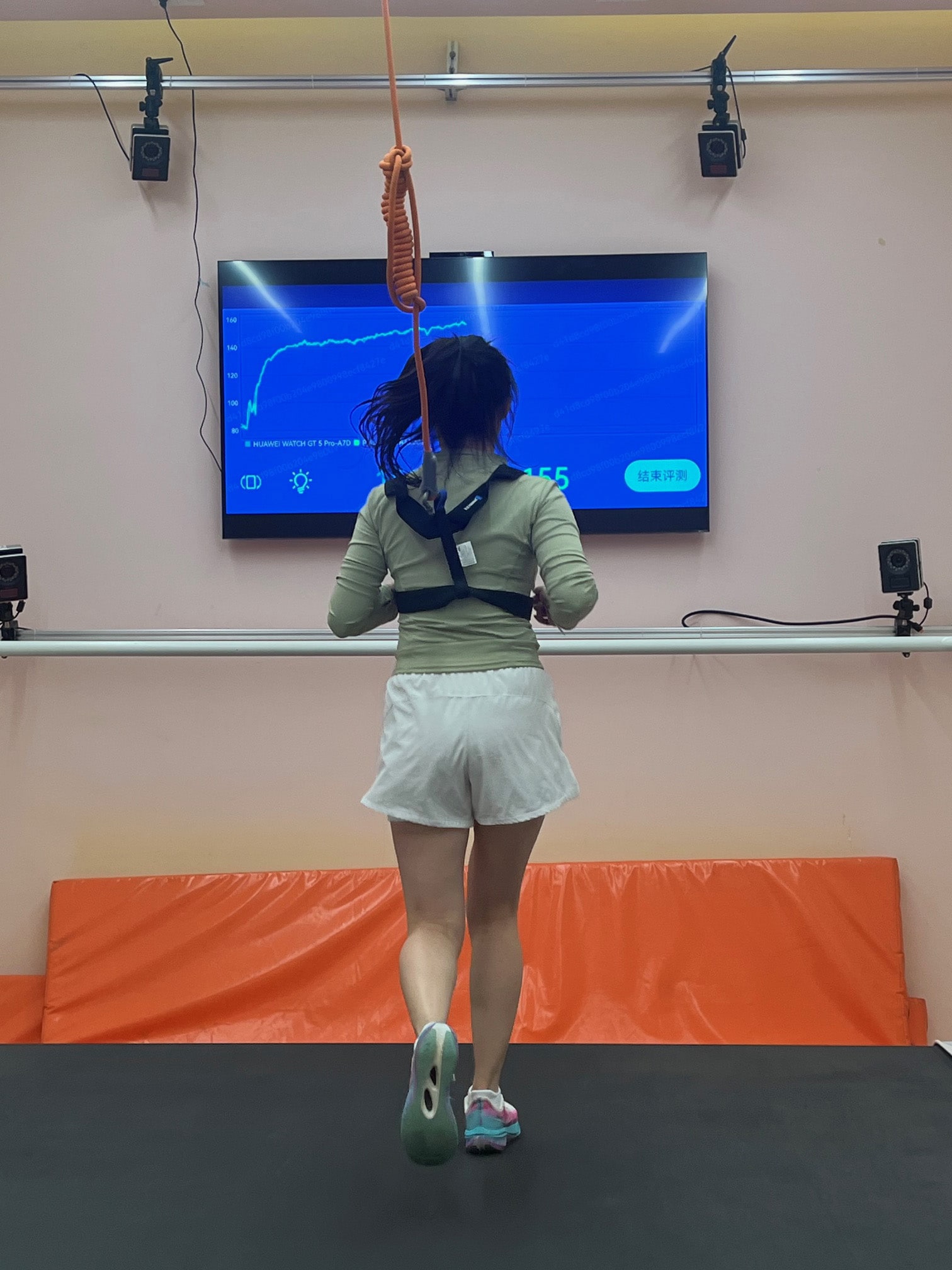
In the Huawei lab where wearable parameters are studied
In Dongguan, 5,000 square metres are being used to study the most innovative technology for people's health. Which is at the heart of smartwatches

3' min read
Key points
3' min read
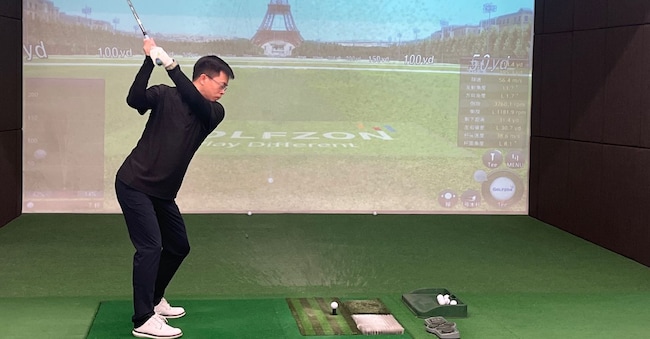
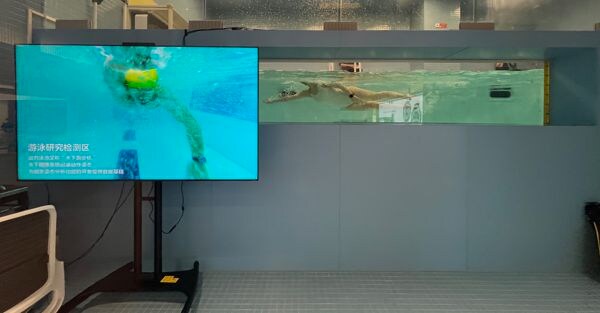
It is the place where anyone would like to work. Researchers put themselves to the test to discover the secrets of well-being so that everyone can feel good, physically as well as emotionally. So they can choose to swim in a five-metre pool that mimics the friction of a swimming pool, play golf on one of 15,000 of the world's most beautiful courses simulated on the interactive screen, run, cycle, climb, shoot with a rifle or bow, or use the rowing machine or exercise bike. In Huawei's Health Lab, researchers can choose from more than a hundred training modes to learn all the secrets of movement and balance of the human body in activity, in environments simulating conditions up to 6,000 metres above sea level, with temperatures ranging from minus ten to plus 40 degrees and humidity rates of up to 95 per cent.
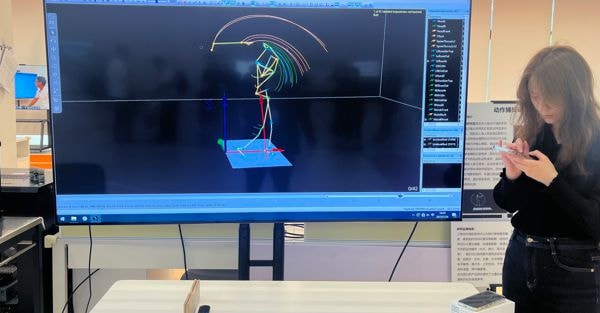
All reactions of the human body are studied
.In the almost 5,000 square metres of the laboratory at Songshan Lake in Dongguan, 28 high-speed infrared cameras control and monitor all activities, together with sensors in the individual operating areas, with the aim of studying every tiny reaction of the human body. To date, data has been acquired from almost 200,000 kilometres of running, equivalent to four and a half times around the world along the equator. This mass of information is at the heart of Huawei's TruSense system in the new version of the distributed Super-Sensing Module, available in Huawei's new wearable models coming in May, with multidimensional monitoring that combines speed, accuracy and comprehensiveness in the overall observation of human vital parameters.
TruSense, in Mandarin, combines the ideogram for the unknown universe and that of an ancient astronomical instrument, revealing the ambition to observe in order to unlock the mysteries of the human body in its innermost complexities. With its wearables, "Huawei is committed to bringing digital health to every person, every family, and every industry: we use the most innovative technology to enable the public to enjoy more precise, convenient, and complete health management experiences," explains Rico Zhang, president of Smart wearable & Health products, emphasising that the goal is to "move from passive, hospital-centred care to active personal health management, thanks to smart technology that provides a preventive perspective, integrated with a healthy lifestyle".
A new operating system
.Figures from Idc place Huawei in first place worldwide for annual growth in smartwatch shipments, which in twelve years have reached sales of 180 million pieces worldwide used by 540 million people. The technological leap forward is intended to ensure that global leadership in wearables on which Huawei is also aiming for a relaunch in the smartwatch sector thanks to its new Harmony Os operating system, an alternative to the more popular iOs and Android, made necessary after the US ban under the first Trump presidency.
The monitoring of the six monitored vital systems - circulatory, respiratory, nervous, endocrine, muscular, reproductive - with data collected on the basis of sixty indicators and processed by a dozen algorithms, aim to return the complexity of the human body in the form of simple and verifiable indications.