
In the race for data centres, the spotlight is on mines that can still be used
In various towns across Italia, there is growing interest in sites where servers requiring constant, low temperatures can be housed

Key points
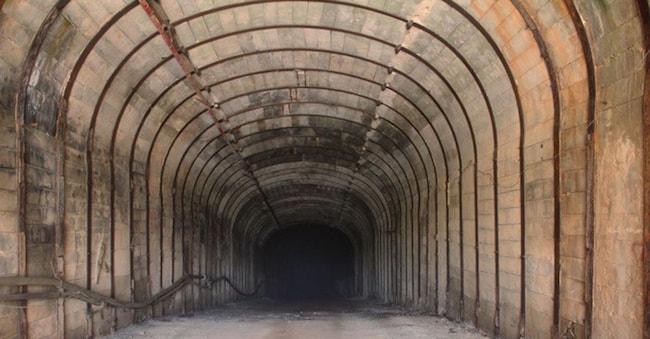
The race to build new data centres has begun, and mines are also among the potential sites being considered. Particularly those that are currently dormant but still have a valid and functioning infrastructure. It is even better if they feature drive-through tunnels and are equipped with the power supply and connections required for operation.
In various towns across Italia, there is growing interest in sites where servers requiring constant, low temperatures can be housed.
The case of Trentino
The first example at national level is in Trentino, specifically in Predaia at a dolomite mine, where the first data centre has been inaugurated. The facility, named Intacture, has been built 100 metres underground. The infrastructure is equipped with a supercomputing platform for artificial intelligence and is also the first PNRR project in the digital infrastructure sector to have completed reporting on 100 per cent of the allocated resources.
The project, carried out over a period of two years, as the Province highlighted in a statement, ‘involved moving from the design phase to the bespoke excavation of the new underground spaces, civil engineering works, the installation of technical systems and testing’. ‘Following the completion of excavation work in 2024, the infrastructure was built and the technical systems commissioned during 2025,’ the Province’s document states. ‘By December 2025, following successful testing and the installation of the supercomputing cluster, the data centre had completed its construction phase.’
Data and energy instead of coal
At the Nuraxi Figus coal mine in Sardinia, which is in the process of being decommissioned, a project is underway to build an AI data centre called ‘Digital Vault Sulcis’. The initiative, launched last year, as highlighted by the regional Department of Industry, “represents a decisive step in the regional strategy aimed at promoting technological innovation, sustainability and industrial transformation to create economic and employment value”. The project involves the construction of a facility powered entirely by renewable energy and “integrated with the energy storage hardware and software solutions developed by Energy Vault, ensuring the data centre operates in a completely carbon-free manner”.

