
In the third hottest year on record, damage has fallen but the risk remains high
According to Aon, economic losses caused by extreme weather events worldwide in 2025 totalled $260 billion: this is the lowest level since 2015. However, those covered by insurance policies exceeded the $100 billion mark.

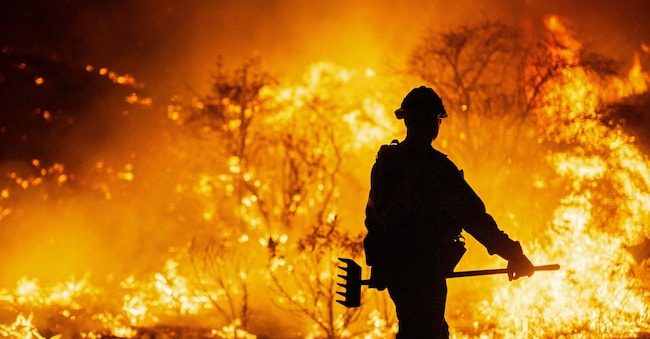
Cyclone Harry, which struck Sicily, Calabria and Sardinia in January 2026, has once again turned the spotlight on natural disasters. Climate change takes its toll periodically, bringing with it not only a trail of casualties but also massive economic damage, only partially covered by insurance policies. The 2025 report contained in Aon’s Climate and Catastrophe Insight – a leader in insurance and reinsurance brokerage and in risk and human capital management consultancy – once again highlights the significant impact of these events. In the third-hottest year on record, losses caused by natural disasters totalled 260 billion dollars, down 29 per cent on 2024, the lowest level since 2015 and below the century average. Insured losses remained high at 127 billion dollars, marking the sixth consecutive year with payouts exceeding 100 billion. Insurers therefore covered almost half of the economic losses, leaving a protection gap of 51 per cent – the lowest ever recorded. This is because the majority of events, particularly the most costly ones (around 81 per cent of the total), occurred in the US, where the average percentage of insured losses is higher than in Europe and Asia, particularly in the case of fires. The flip side is that around half of the losses remained unprotected, exposing millions of people to financial risk, particularly in emerging economies.
“The figures in the report,” emphasises Pietro Toffanello, CEO of Aon Reinsurance Italia, “confirm that the climate challenge is now structural, and the damage caused in early 2026 by Cyclone Harry in southern Italy serves as a warning sign for our country too.” The narrowing of the global protection gap “is a positive sign, but at the same time highlights just how crucial it is to continue strengthening physical and financial resilience, particularly in the most exposed and least insured markets”. In this context, he adds, “the reinsurance sector plays a key role in supporting capacity, innovation and increasingly sophisticated risk transfer solutions. The integration of advanced models, high-quality data and risk analysis technologies enables insurers, businesses and institutions to transform climate uncertainty into more informed, sustainable and long-term decisions’.
A record in California; in Italia, losses are estimated at 1.5–2 billion
Last year, hailstorms were the most costly insured risk, with losses totalling 61 billion, surpassing tropical cyclones. In terms of individual disasters, however, the grim record is held by the Palisades and Eaton wildfires in California, which together caused losses of 58 billion. Overall, in 2025, climate change caused the deaths of 42,000 people: a figure down by 45 per cent on the century’s average, but one that still paints a dramatic picture. Of these, 25,000 lost their lives due to extreme heat, whilst the earthquake in Myanmar was the deadliest event of the year, claiming over 5,000 lives. Turning our attention to Italia ‘in 2025,’ notes Toffanello, ‘we witnessed a limited number of high-impact events compared to the historical average. However, a significant proportion of the economic losses remained uninsured, confirming that the protection gap in the country is still substantial’. Aon estimates direct economic losses due to disasters at around 1.5–2 billion euros, attributable to weather-related events such as droughts and floods. Added to these are high levels of indirect damage, such as lost agricultural output in the case of drought. In our country, the protection gap is, on average, very high at around 80 per cent, but there are marked disparities between the North and the South, and the percentage varies considerably depending on the type of risk and the size of the businesses: the range extends from 90 per cent for micro and small businesses to 30 per cent for large ones. Furthermore, the most vulnerable sections of the population and the economy are those with the least insurance cover and are therefore most exposed to this type of disaster.
“Against a backdrop of climate change and increasing volatility in extreme weather events,” says Toffanello, “we need to strengthen the system’s preparedness through more advanced use of data and risk models. The initiatives launched by the government, including the introduction of compulsory insurance cover against natural disasters for businesses, are a step in this direction and represent an important step towards improving the resilience of the Italian business sector.” At the same time, the creation of the national reinsurance pool for catastrophic risks, developed with the support of the market and ANIA, he states, “is a key element in increasing capacity and stability in the long term. The adoption of increasingly sophisticated catastrophe models, high-granularity data, exposure management technologies and advanced climate risk analysis tools is essential to support insurers and businesses in risk assessment, the definition of sustainable cover and the efficient management of capital’. Aon has contributed to the design and management of the pool by providing technical expertise, modelling capabilities and access to global reinsurance markets, thereby supporting a more robust and resilient system.


