
Over 118 million euro for green transition and R&S in Tuscany
The aim is to strengthen the competitiveness of the regional production system, with a focus on the green transition, SMEs and Research & Development
3' min read
3' min read
After the call for tenders opened by the Region of Tuscany last January, which, thanks to 125 million euro of European Regional Development Fund (ERDF) 2021-2027 resources, financed 878 research and development projects of micro, small, medium and large enterprises favouring the introduction of advanced technologies and the ecological transition, another package of nine calls for tenders (all managed by the regional company Sviluppo Toscana) is on its way to strengthen the competitiveness of the regional production system. The total resources in this case are EUR 118.8 million, again in the 2021-2027 ERDF programming.
Manufacturing Investments for the Green Transition
.The largest call, 40 million euro, supports productive investments (expansion, diversification, consolidation of the production system, processes of ecological, technological and digital transition), amounting to between 70 thousand euro and five million euro, of businesses of any size, by facilitating access to credit. The measure provides for non-repayable subsidies to reduce the interest and guarantee costs on loans, under the credit line created for Tuscany by the EIB, the European Investment Bank. Two subsidies are envisaged: an interest subsidy (up to 90 per cent for green projects, from the fight against climate change to energy efficiency and circular economy processes, and up to 80 per cent for others); and a guarantee fee subsidy (1.5 per cent of the guaranteed and reinsured loan for a maximum amount of EUR 12,000), combined with a guarantee through the reinsurance of the loan to the special Tuscany Region section of the SME Guarantee Fund. A similar measure, in terms of purpose, type and amount of aid, is reserved for enterprises in the tourism sector with an allocation of EUR 11 million.
Another call for tenders (currently being analysed, reports the Region), again for 40 million euro, will finance productive investments by companies wishing to carry out small projects ranging from 10,000 to 50,000 euro, providing facilities for access to credit, again through the combination of subsidies for the reduction of interest and guarantee costs on loans granted. Two lines are envisaged: line A, dedicated to the creation of young or female businesses or those benefiting from social shock absorbers (interest and guarantee costs are reduced by 100%); line B, aimed at other businesses (interest is reduced by up to 80-90% and guarantee costs by 1.5%). Coupled with this is the guarantee through reinsurance of the financing. A reserve of approximately EUR 4.5 million is planned for entities operating in inland areas. For these three calls for tenders, public notices will be launched to identify both the financing entities and those authorised to issue the guarantees.
"Toscana diffusa"
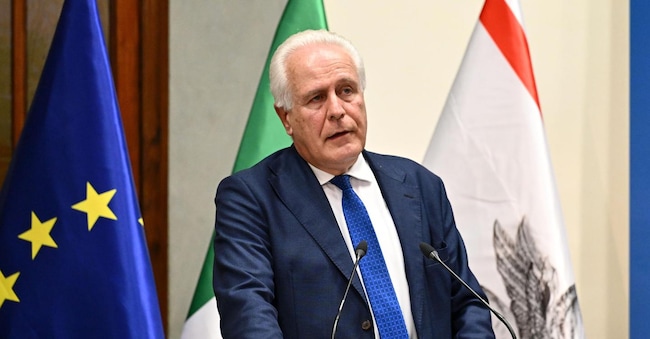
.The intention reiterated by the President of the Region, Eugenio Giani, is to aim at spreading entrepreneurship outside the large centres, in what he calls Toscana diffusa: thus the European resources, in this perspective, should serve not so much to strengthen existing and consolidated supply chains or industrial districts, as to expand small businesses in the inland and less developed areas.
Research & Development
.Finally, the other calls for tenders coming to Tuscany in the next few months will again support business R&D investment, with EUR 14 million to provide non-repayable grants for interest relief on loans disbursed under EIB funding; and will support the digital innovation of small and medium-sized enterprises located in villages (EUR 4 million), community cooperatives (EUR 3 million) and natural shopping centres (EUR 4 million), through non-repayable grants of up to 60-80% for projects worth between EUR 20-30 thousand and EUR 150-200 thousand. Lastly, the call for innovative start-ups will support the creation of innovative enterprises and the consolidation of existing ones: 2.8 million is allocated to grant capital contributions equal to 90% of the eligible investment, of which 5% in real services.

