Cinema

In Venice, ‘Let Us Through, Dear Ancestors’: the horror of colonisation as seen by Lav Diaz

The new film by the 2016 Golden Lion winner is being screened out of competition at the Venice Film Festival

3' min read

Translated by AI
Versione italiana

3' min read

Translated by AI
Versione italiana

Lav Diaz to close the Venice Film Festival: the Filipino director is one of the most prominent figures in the final days of the 83rd edition of the Venice Film Festival, an event he has attended on numerous occasions and which brought him international recognition with the epic and beautiful “Melancholia”.

The high point of Diaz’s relationship with Venice, however, came in 2016 with her win of the Golden Lion for *The Woman Who Left*, followed by further appearances in subsequent years with notable films such as *When the Waves Are Gone* and *Phantosmia*.

Loading...

This year, the Filipino director returned to the festival programme with “Let Us Through, Dear Ancestors”, screened out of competition.

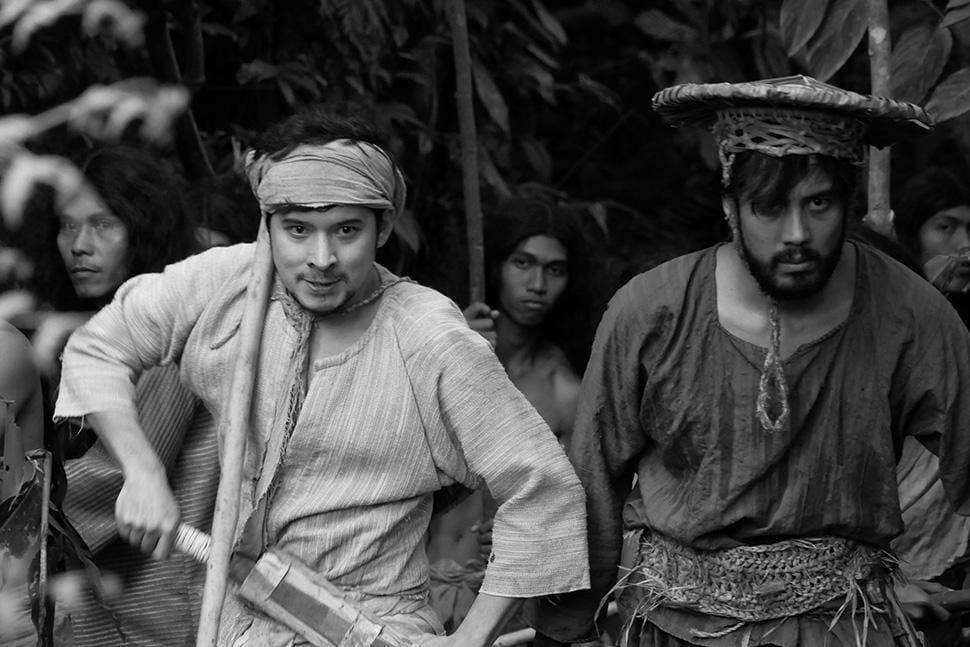
Set in 1617, the film centres on the Spanish friar Father Enciso, the encomendero of one of the Philippine islands, who rules with relentless ferocity. ‘To tame these savages,’ he proclaims, justifying his cruelty by invoking the salvation of the soul through the suffering of Jesus.

‘The Philippines were rebuilt by force by imperial, Catholic Spain: through sex in abundance (which we would today call rape), an insatiable appetite (which we would today call plunder) and the promise of salvation (which we would today call a catastrophe)’: Lav Diaz introduced this film with these words, marking his return to storytelling set in the past, following last year’s “Magellan”, a film about the famous explorer starring Gael García Bernal.

 

A return to black and white


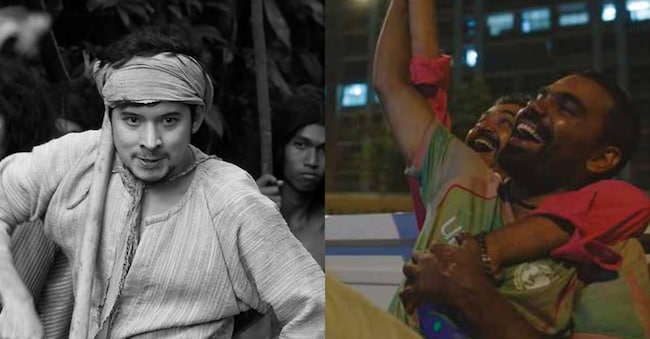
Whilst Diaz had opted for colour in his previous film (a decidedly rare occurrence in his work), with *Let Us Through, Dear Ancestors* he returns to his classic black and white and to those images with an extremely recognisable aesthetic, in which the characters seem completely immersed within the landscape.

Let Us Through, Dear Ancestors

In fact, the very first shots are enough to reveal the characteristic style of this great Filipino filmmaker, who here tackles a particularly harsh and gruesome film that deals not only with colonisation, but also with labour exploitation and the thousands of indigenous people who died as a result of the buildings that were constructed relentlessly between the late 16th and 17th centuries.

Throughout its running time of around 150 minutes, there are a few rather weak moments and the narrative flow is rather uneven, but the film’s visual appeal and the messages it conveys ensure that it remains intense and engaging from start to finish.

Loading...

It’s not one of Lav Diaz’s best films, but it’s still worth watching.


Lovers in the Blue Night


Meanwhile, “Lovers in the Blue Night” comes from India; it is one of the latest films to be screened in the Orizzonti section, which has featured several truly interesting films this year.

Lovers in the Blue Night

Directed by Anuparna Roy, the film tells the story of four migrants searching for love and a sense of belonging in a city – Mumbai – that offers them very little. Karim, a particularly shy gay man, lives with Ameena, the manager of a bar, whom he married out of pity after their village was destroyed by a flood. Ameena longs to feel loved and clings to mysterious letters that promise her the tenderness that life has denied her. Sukka, a petty thief seeking redemption from his caste, becomes Karim’s forbidden desire and draws him into a secret, highly dangerous world. When Ameena mistakenly believes that the author of the letters is Omran, the bar’s pimp, and begins to fall for him, the misunderstanding awakens a streak of tenderness in Karim, propelling the four protagonists towards a conclusion in which love, illusion and survival collide.

A story of vulnerability and betrayal, secrets and lies, “Lovers in the Blue Night” is a film that draws on Anuparna Roy’s own experience as a migrant; she was awarded a prize last year, also in the Orizzonti section, for her debut film “Songs of Forgotten Trees”. Born in 1994, the director reaffirms her talent with this ensemble piece, which strikes a fine dramatic balance amongst the many themes it explores.

Some of the scenes are a bit formulaic and the level of engagement isn’t always particularly high, but the camera does a good job of framing the characters within their context and is also aided by the compelling performances of a cast who are perfectly cast in their roles.

Copyright reserved ©
Loading...

Brand connect

Loading...

Newsletter

Notizie e approfondimenti sugli avvenimenti politici, economici e finanziari.

Iscriviti