
In Vilnius, inside Nord Security: how AI is changing cybersecurity
Artificial intelligence is changing the way we attack and defend ourselves. Story of a former start-up now worth 3 billion

Inside CyberCity, the Vilnius tech district where startups, scaleups and digital companies have found a home, the Nord Security headquarters tells one of the most interesting stories of new European technology. Founded in 2012 as a small Lithuanian startup around NordVPN, the company has grown into a global cybersecurity group in just over a decade, with around 2,000 people, multiple products under one umbrella and a valuation in excess of $3 billion.
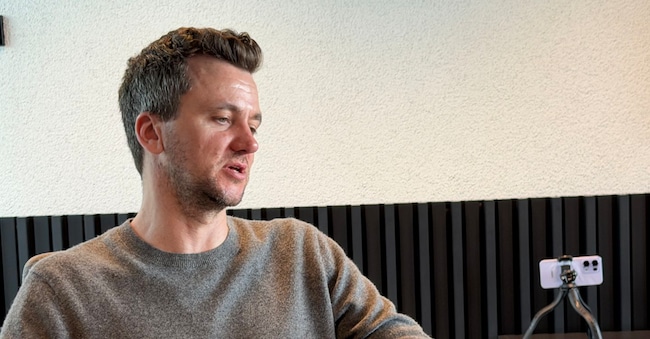
The best known product remains NordVPN. But in Vilnius, the company's chief technology officer, Marijus Briedis, makes it clear that the game is no longer just about virtual private networks. 'NordVPN is no longer just a VPN,' he explains. "We are pushing the product more and more towards malware protection and antivirus." The direction is that of a broader platform: secure connection, phishing protection, anti-fraud tools, dark web monitoring, digital identity defence.
The reason is simple: cybersecurity is changing in nature. And the factor that is most accelerating this transformation is artificial intelligence. When asked what has had the biggest impact in recent years, between the Russian war in Ukraine and the arrival of generative AI, the CTO has little doubt. "The most important part today is AI," he says. "The models of Anthropic, OpenAI and the others are advancing practically every day."
For Briedis, the AI is working on both sides of the field. It helps those who defend, but it also helps those who attack. 'All it takes to create a scam site today is a prompt,' the manager tells us. A fake e-commerce, a phishing page, a fraudulent campaign can be produced with much less time and cost than in the past. "On the attackers' side today it is a bit easier than on the defenders' side," he adds. "Technology is changing very rapidly. In the future it will be more and more AI versus AI."
This is where NordVPN is trying to shift its centre of gravity. The company has developed Threat Protection tools that not only block malware or advertisements, but also try to recognise suspicious behaviour, fraudulent sites and attempts to steal credentials. Briedis tells our notebooks that the company also uses internal language models to assess the dangerousness of a site: 'We created a small LLM that analyses up to twenty parameters to understand whether an online shop or a site might be fake'.


