
India, central bank lowers GDP estimates
In view of the strong climate of uncertainty, the (unanimous) decision to leave interest rates at 5.25 per cent was widely expected and came after a series of falls
from our correspondent Marco Masciaga
 Aggiungi Il Sole 24 Ore
ai preferiti su Google
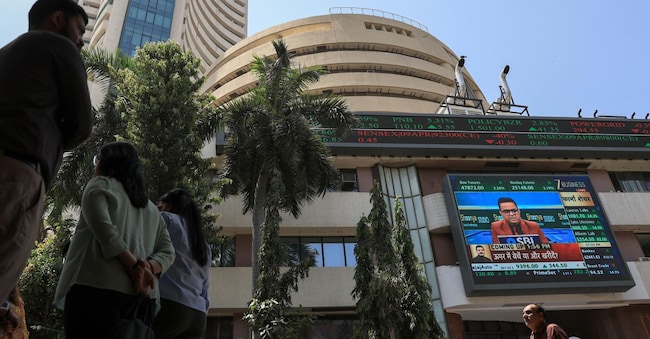
NEW DELHI - Remaining doubts about the price that New Delhi will have to pay for the Israeli-American aggression against Iran have been dispelled by the Reserve Bank of India (RBI): the Monetary Policy Committee has decided on the second consecutive pause in its policy of lowering interest rates, while the central bank's economists - in making their first forecasts on growth and inflation since the outbreak of the war - have downgraded the former and raised the latter.
According to estimates by the RBI, GDP growth in the fiscal year that began on 1 April will slow to 6.9% compared to the +7.6% estimated for the 2025-26 financial year. In detail, the central bank expects 6.8% in the next three months, 6.7% between July and September, 7% in the third quarter and 7.2% in the first three months of 2027.
The estimates released come after the more pessimistic ones made in recent weeks by several private institutions. Goldman Sachs, which reasons in calendar and not fiscal years, estimates a +5.9% for 2026, while Standard Chartered expects half a point more (+6.4%) in the 12 months to the end of March. Before the outbreak of the conflict, both institutions estimated growth at around 7 per cent.
The Indian central bank's forecasts are based on a scenario with oil at USD 85 per barrel and according toGarima Kapoor, an economist at Elara Securities, may err on the side of optimism 'as a full return to pre-war energy export volumes could take three to six months due to backlogs, diverted tankers and partial infrastructure damage'.
The decision not to lower the cost of money in the face of deteriorating growth prospects was dictated by price developments.


