
India, clashes in New Delhi: thousands of students march on Parliament
In addition to the resignation of the Minister for Education, Dharmendra Pradhan, the protesters are demanding compensation of 10 million rupees (less than 91,000 euros) for the families of students who took their own lives after some of the university entrance exams taken in recent months were invalidated following the revelation that the questions had begun to circulate before the exams took place
from our correspondent Marco Masciaga
 Aggiungi Il Sole 24 Ore
ai preferiti su Google
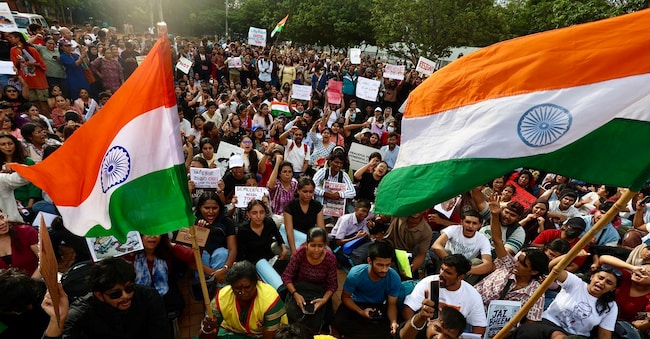
NEW DELHI - Thousands of protesters marched on the Indian Parliament today, 20 July, to demand the resignation of the Education Minister, in what is undoubtedly the most serious political crisis ever faced by Prime Minister Narendra Modi during his third term as head of the country.
The challenge to the government was issued by the Cockroach Janta Party (CJP), or People’s Cockroach Party, a student movement that emerged online to protest against corruption, the lack of opportunities for young people and the contempt shown towards them by significant sections of the Indian establishment. The CJP is becoming a catalyst for the dissatisfaction felt by a section of the population with the radical Hindu government led by Modi’s Bharatiya Janata Party (BJP).
The security forces initially underestimated the scale of the protest. They then responded to the challenge posed by the demonstrators – who had been denied permission to leave the area where the authorities require sit-ins to take place – by firing tear gas and charging with lathis, the long, thin batons used by the Indian police and paramilitary units. The charges and arrests did not prevent thousands of demonstrators from marching towards Parliament, forcing the security units responsible for the complex to close and guard the gates.
Today’s significant development in a protest that has been ongoing since last June comes after one of the movement’s most recognisable figures – the educator and activist Sonam Wangchuk , who has been on hunger strike for three weeks – was taken into police custody and, against his will and that of his family, taken to a public hospital where he is reportedly being held under close surveillance.
Far from demoralising the protesters, Wangchuk’s forced removal prompted thousands of young people to converge on the centre of the Indian capital during the night between Sunday and Monday. Once there, the protesters targeted the Parliament just as Prime Minister Modi – drawing inspiration from the recent achievements of an aerospace start-up – was opening the monsoon session, extolling the great opportunities available to young Indians.


