
India, employment and rural areas: the Modi government presents the budget bill
About USD 24 billion will be allocated over the next five years to stimulate new job creation, and investments in rural regions of the country will amount to about USD 32 billion over the next 12 months
3' min read
3' min read
From our correspondent
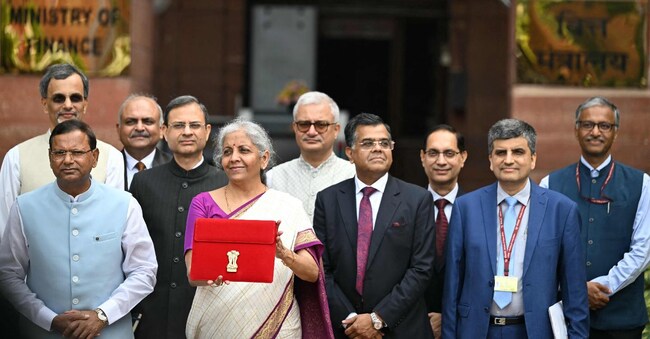
NEW DELHI - The third Modi government on Tuesday presented its first Budget Bill since the premier's party no longer has an absolute majority in Parliament. As was easy to predict, the budget contains measures aimed at employment, the development of those rural areas that turned their backs on the majority in the last elections, and a couple of politically crucial states for the coalition's hold.
In presenting the document, Finance Minister Nirmala Sitharaman explained that the equivalent of 24 billion dollars will be allocated over the next five years to stimulate the creation of new jobs and investments in the country's rural regions will amount to some 32 billion dollars over the next 12 months. Despite the spending - and in part thanks to a rich dividend from the Reserve Bank of India and rising tax revenues - the executive also aims to consolidate public finances, bringing the deficit to 4.9 per cent, down from the projected 5.1 per cent.
Modi ter's first budget also reaffirms the centrality of infrastructure investments in the government's economic policy with a focus on two states - Bihar and Andhra Pradesh - that are crucial in the balances on which the government rests. The two states are governed by the leaders of two local parties whose national MPs are indispensable to the governing majority. The Minister of Finance also explained that Bihar and Andhra Pradesh will be helped by the central government in intercepting loans offered by multilateral institutions.
The Budget Law also aims to rebalance, at least to a small extent, the strong inequalities that have characterised the country's decades-long economic boom. Taxation on capital gains is bound to rise. In the case of capital gains generated by the sale of securities held for less than a year, it rises from 15 to 20 per cent. In the case of those held longer than 12 months it will rise from 10 to 12.5 per cent.


