
India: the opposition accuses the Electoral Commission of manipulating the electoral rolls
The Indian Electoral Commission is at the centre of an unprecedented controversy, with members challenging unilateral decisions and the opposition accusing the government of manipulating the electoral roll to exclude millions of voters
from our correspondent Marco Masciaga
 Aggiungi Il Sole 24 Ore
ai preferiti su Google
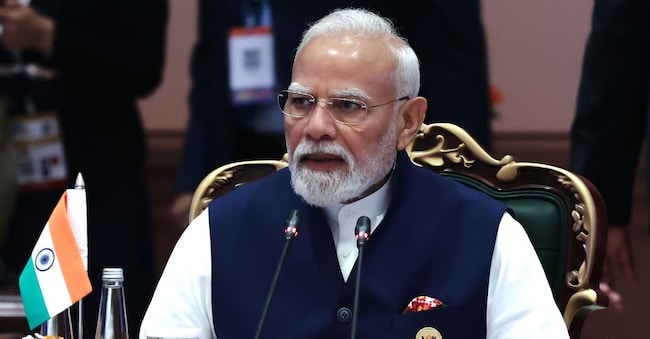
NEW DELHI – The government led by Prime Minister Narendra Modi is once again under pressure after a journalistic investigation led the opposition to call for the resignation of the Chief Election Commissioner appointed by the government. According to reports in the Indian Express, over the last 10 months the other two members of the Election Commission of India are said to have objected at least 14 times to decisions and orders issued without their consultation.
The period in which this unprecedented split took place within what had for decades been one of the most respected institutions of the world’s most populous democracy is crucial, because it coincided with the removal from the electoral roll of 130 million names, sometimes due to ‘logical discrepancies’ such as differences in the spelling of names – a not uncommon occurrence in a country with 22 official languages and 13 official alphabets.
The current Election Commission of India is viewed with suspicion by the opposition because – contrary to the Supreme Court’s recommendation – it was appointed by a majority vote of a panel comprising the head of government, one of his ministers and the leader of the opposition. The Supreme Court had requested that the appointment be made by the Prime Minister, the Leader of the Opposition and the Chief Justice of India.
The current Chief Election Commissioner, Gyanesh Kumar, was also at the centre of controversy last year, following allegations of electoral fraud made by the opposition leader Rahul Gandhi. Kumar was criticised for refusing to address the substance of the serious allegations, as one would reasonably expect of a civil servant, but instead launching a counter-attack, using a tone and arguments not dissimilar to those employed by members of the governing majority.
The Election Commission periodically updates the electoral register. The revisions carried out in recent months have been unusually controversial because they took place in the run-up to major local elections, rejected identity documents issued by the Indian state itself as invalid, and shifted the burden of proof onto citizens, leading to tens of millions of people being removed from the register.


