
India goes back to buying Russian oil
New Delhi addresses the energy crisis caused by the closure of the Strait of Hormuz by increasing imports of Russian crude oil despite higher costs and international political pressure
from our correspondent Marco Masciaga
 Aggiungi Il Sole 24 Ore
ai preferiti su Google
NEW DELHI - The United States on Thursday night gave India a one-month window to start buying Russian crude again and make up for the shortfall in oil deliveries from the Middle East after the closure of the Strait of Hormuz.
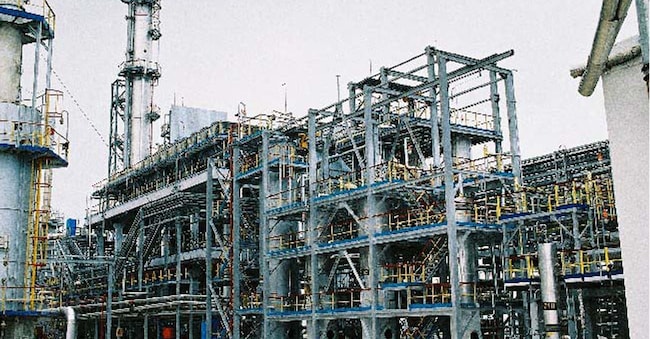
Wasted effort. India's refineries had already started sourcing from Moscow again. New Delhi's stocks of crude oil and refined products do not exceed 25 days, which means that there would be little or no time for crude oil to arrive in port that was not already on board a tanker, ready to be delivered to the highest bidder.
Since Israel and the US attacked Iran, Indian refineries have bought more than 10 million barrels of Russian crude oil, and - judging by the time the tankers started heading for the Subcontinent - they started doing so even before receiving the American green light. The purchases could continue in the coming days as well, since the 10 million barrels bound for India are only part of the 15 million on board tankers scattered between the Arabian Sea and the Bay of Bengal, to which another 7 million barrels stopped off Singapore should be added. Not to mention the huge quantities in transit through the Mediterranean Sea and the Suez Canal on their way to Asia.
Also hoarding Russian crude oil again are public giants like Mangalore Refinery and Petrochemicals and Hindustan Petroleum. The latter had been prudently staying away from Moscow's oil since last December. 'Refiners could quickly increase purchases again, pushing volumes above 2 million barrels per day in the short term,' explains Sumit Ritolia, an analyst at Kpler. Any return to that level would effectively bring Indian imports back to the peak recorded in mid-2024, equivalent to roughly double the level of a month ago.
The return to Russian oil purchases is relatively easy for Indian refineries because the plants are already optimised for that type of crude, but it is less convenient than it used to be. "The large discounts observed earlier," explains Ritolia, "could be significantly reduced. A month ago, Ural crude was bought at a discount of $15-20 per barrel compared to Brent, whereas today it costs $2 to $4 more.


