
Indian government raises fuel prices for the first time in four years
The three state-owned oil companies forced an increase of just over 3%. Gold and silver import tariffs also raised
from our correspondent Marco Masciaga
 Aggiungi Il Sole 24 Ore
ai preferiti su Google
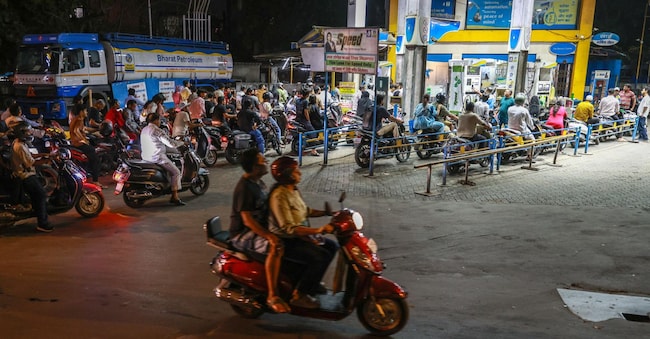
NEW DELHI - More than two months after the vertiginous rise in oil prices caused by the closure of the Strait of Hormuz, the Indian government has resigned itself to passing on to its citizens at least a small part of the increases that until yesterday had been absorbed by three state-owned companies. Petrol and diesel prices, which had been at a standstill for four years, rose by three rupees, just over 3%, to Rs 97.77 and Rs 90.67 per litre respectively.
The move by the executive led by Prime Minister Narendra Modi comes just 24 hours after the decision to raise tariffs on the import of gold and silver from 6 to 15 per cent. Both decisions are aimed at curbing the haemorrhaging of foreign currency caused by the import of raw materials, after reserves fell to USD 690.7 billion on 1 May - equivalent to 10-11 months of imports - from a peak of USD 728 billion in March. The opposition accused the government of waiting too long to release the increases for electoral reasons, as four states and one union territory went to the polls in recent weeks to renew local parliaments.
But while the increase in taxation on the import of precious metals will bring new resources into the state coffers (for cultural reasons, the demand for gold in India is rather inelastic), the increase in prices at the pump will only serve to slow down the pace at which Indian Oil, Hindustan Petroleum and Bharat Petroleum - the three majors that control more than 90% of the 103,000 service stations spread across the country - are accumulating losses.
Confirming that the government has, albeit belatedly, decided to tackle the energy crisis, Prime Minister Modi flew to the United Arab Emirates yesterday for the first leg of a state trip that will also take him to Sweden, Norway, Italia and the Netherlands. In Abu Dhabi, a series of agreements were signed that should help increase New Delhi's strategic reserves - and with them its energy security - in the future.
India is particularly sensitive to changes in crude oil prices because it is the third largest consumer and importer in the world and in recent months has seen its energy bill with exporting countries rise rapidly, partly due to rising oil prices (of which it imports more than 90% of its needs) and partly due to the weakening of the rupee, which is currently the Asian currency that has lost the most value since the beginning of the year.


