
Property: indoor air quality could become a new driver

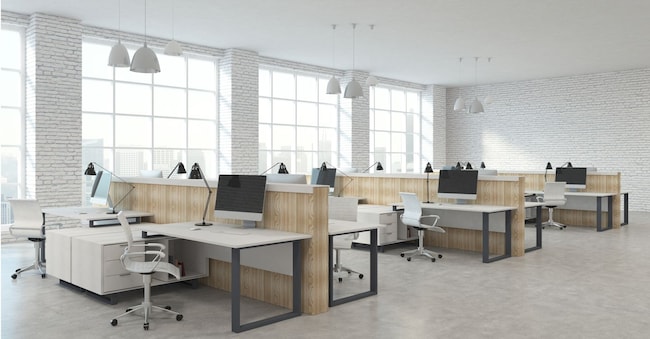
It’s not just about energy efficiency: indoor air quality could also influence property values. In Italia, this may be a future trend, but the United States has already led the way, with rental premiums of between 4.4% and 7.7% for offices certified as ‘healthy’.
This is what emerged from the study carried out by Fondazione B.live for HHH – Home Health & Hi-Tech and presented on Thursday 25 June at the Assimpredil Ance Auditorium in Milan. The research is based on health and housing data: whilst we spend over 90 per cent of our time indoors – at home, at school and in the office – around 30 per cent of Italian homes have issues relating to indoor air quality. The social cost of unhealthy housing is estimated at around 750 million euros a year.
The real breakthrough, however, lies in the property sector. The healthiness of indoor environments — air quality, materials, and thermal, acoustic and lighting comfort — is beginning to feature among the criteria by which users, occupiers and investors evaluate properties. According to the research, in the new-build market, green and energy credentials are already the primary reason for purchase for one in four buyers. In offices, the link is even more direct, as the quality of the spaces affects the wellbeing and productivity of those who work there. In buildings where WELL and LEED certifications were compared, occupant satisfaction reached 94 per cent, compared with 73 per cent in properties assessed solely on energy performance. In the residential sector, however, the phenomenon is more difficult to isolate: in Italia, the available data primarily measure energy efficiency, not yet health and well-being in the strict sense.
Currently, according to the Italian Revenue Agency (OMI), the price differential between a Class A home and a Class G home stands at 22.7 per cent. The Bank of Italy, on the other hand, estimates a premium of around 25 per cent for the four highest energy efficiency classes compared with Class G. However, there is as yet no metric capable of distinguishing how much of this value is attributable to energy efficiency and how much to indoor environmental quality.
“In a climate where investors are seeking strategies capable of generating returns and maintaining value over time, the healthiness of buildings can be one of the key factors driving demand in the property market,” said Marco Marcatili, chairman of the B.live Foundation. According to the research, this trend is particularly evident in the office sector, where staff costs account for around 90 per cent of an organisation’s total costs, compared with just 1 per cent attributable to energy consumption. From this perspective, improving the quality of working environments can also translate into an economic benefit.
Brand connect


Newsletter RealEstate+
La newsletter premium dedicata al mondo del mercato immobiliare con inchieste esclusive, notizie, analisi ed approfondimenti
Abbonati