Ons Data

Inflation, Britain hits 2% target in May

Continued downward trajectory after peak of 11.1% in October 2022

(Reuters)

2' min read

2' min read

LONDON - Target hit for the first time in almost three years. British inflation fell to 2 per cent in May, the level forecast by the Bank of England, according to the latest figures released today by the Office for National Statistics (ONS).

Inflation, which was at 2.3% in April, thus continues its downward trajectory after peaking at 11.1% in October 2022, and Britain can boast a better figure than the eurozone (+2.6% in May) or the US (+3.3%).

Loading...

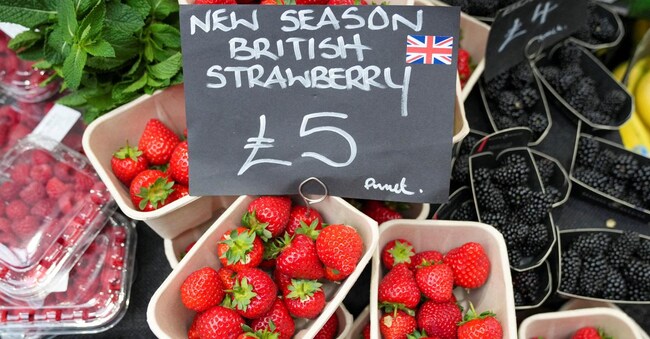
Particularly positive was the fall in food prices: inflation in the sector, which had peaked at 19.2 per cent last year, fell to 1.7 per cent in May.

Prime Minister Rishi Sunak, engaged in an uphill election campaign, was quick to claim credit. "When I became prime minister, inflation was at 11 per cent," he said today. "We acted decisively, we implemented a clear strategy, and that is why the economy has turned the corner.

Sunak also warned voters that 'all progress made would be at risk with Labour'. Opinion polls continue to give the Conservatives, in power for 14 years, at a disadvantage and at least 20 points behind Labour ahead of the 4 July elections. Falling inflation, analysts say, is unlikely to change the Tories' prospects of a defeat at the polls.

"Unlike the Tories, I'm not going to stand here and tell you that the caravan is over because I know that British families are still struggling," said Labour's Rachel Reeves, shadow chancellor. "We must avoid another five years of chaos under the Tories.

The return of inflation to 2% for the first time since July 2021 may not be enough to convince the Bank of England to cut rates tomorrow at the Monetary Policy Committee (MPC) meeting.

According to most economists, caution still prevails, especially since inflation in the services sector fell less than expected, from 5.9 per cent in April to 5.7 per cent in May, and continues to be a cause for concern, especially due to the continued increase in wages, which rose by 6 per cent in the last quarter.

The drop in inflation in May was also partly due to the decline in energy prices and thus in utility bills, which will not continue in the coming months. On the contrary, the Bank expects inflation to rise to 3% in the second half of the year and then fall again in 2025.

The expectation is therefore that the BoE on Thursday will keep rates unchanged at 5.25%, the highest in 16 years, and wait for the September MPC meeting before cutting.

Copyright reserved ©
Loading...

Brand connect

Loading...

Newsletter

Notizie e approfondimenti sugli avvenimenti politici, economici e finanziari.

Iscriviti