
Inflation: July figure may rise – how the rise in fuel prices at the end of the month is affecting the figures
According to the National Consumers’ Union, the surveys are only up to the 21st of the month

The slowdown in year-on-year inflation in July, from 3 per cent to 2.8 per cent, is not enough to reassure consumers. “It’s an optical illusion,” comments Massimiliano Dona, president of the National Consumers’ Union, on the preliminary figures just released by Istat.
The weight of fuels
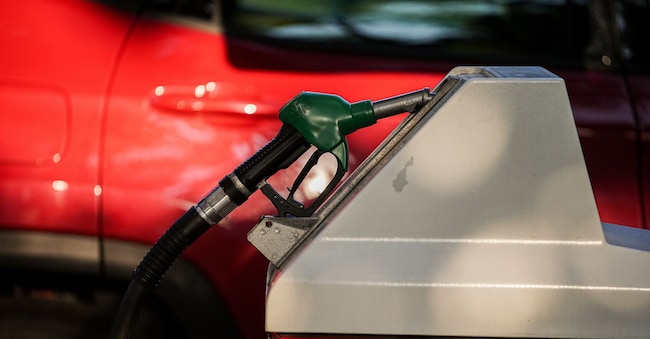
The main factor weighing on the picture is fuel, for which – as Dona points out – the statistical data only goes up to the 21st of the month. The prices confirm the cause for concern: on 1 July, petrol was at 1.806 euros per litre and diesel at 1.884 euros; by the end of the month, before the 17-cent cut in diesel excise duty on 27 July, they had risen to 1.982 and 2.185 euros respectively.
On 31 July, prices stood at 1.995 euros for petrol and 2.080 for diesel: a rise that would not be reflected in Istat’s figures.
The impact on your wallet
In terms of household expenditure, the National Consumers’ Union estimates that the underlying inflation rate of 2.8 per cent translates into an additional cost of 1,008 euros per year for a couple with two children: 157 euros for food and non-alcoholic drinks, €246 on transport, €281 on housing, electricity and gas, €112 on catering and accommodation, and €171 on the total shopping basket. For a couple with one child, the increase falls to €933; the average per household stands at €732.

