Innocenti, the history of the Lambrate brand
Thirty years of the vicissitudes of the Milanese car manufacturer that wrote an important chapter in Italian industry

6' min read
6' min read
At the end of the 1950s, Lambrate was home to one of Italy's most important companies operating in the fields of heavy mechanics, tubes and their applications and scooters: Innocenti. Despite being brought to its knees by the Second World War, Innocenti had managed to rise again thanks to the shrewd policies implemented by its president and founder, Ferdinando Innocenti.
Conversion to the car starts
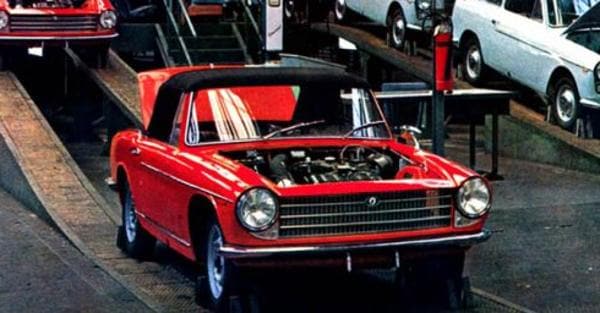
.In 1957/58, studies began for a car entirely produced at Lambrate. This initial study was followed by the evaluation of a collaboration with German Glas to produce a 400 cc utility car based on the Goggomobil. This hypothesis also foundered, because the production of a car with these characteristics would cause tensions with Fiat, an important customer in terms of press sales. Moreover, there is the risk that Fiat would lower the prices of its small cars to nip this new Innocenti venture in the bud. Contacts with various car manufacturers followed, until in 1959 negotiations began with BMC for the licensed production of the Austin A40, a model in a market segment in which Fiat was absent and which combined the robustness of a tried-and-tested mechanical system with Pininfarina's styling.
At Lambrate, automotive production starts
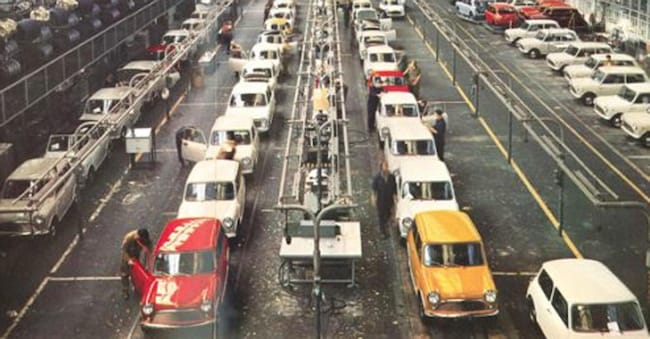
.In July, the contract with BMC was signed. Initially it was planned to assemble and paint the parts supplied by the British company, but soon the sheet metal parts for the new car would also be stamped at Lambrate.By the end of 1960 the plants were operational and the first Innocenti Austin A40s rolled off the assembly lines, which had been set up on the areas that had housed wartime production. A maximum production of 100 cars per day was planned. Towards the end of 1965 production began on the most popular model ever built by Innocenti: the Mini.
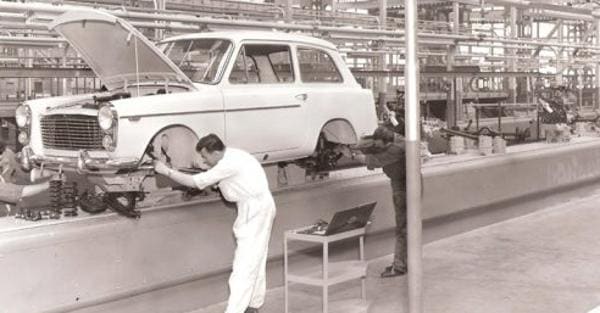
The most popular model is the Mini
.This car had already been in production since 1959 at Austin Morris and was imported to Italy by BMC. Sales in Italy, however, did not reach satisfactory levels due to the protectionist regime and transport costs. Against this background BMC decided to offer Innocenti production of this model as well. On 6 May 1972 Innocenti Autoveicoli announced the acquisition of the share package by BLMC. The name of the company was changed to "Innocenti Leyland" and Mr Geoffrey Robinson, having distinguished himself by his negotiating skills, became its managing director. At the end of 1974 Innocenti Leylad declared a state of crisis. After 132 days of occupation of the factory, Innocenti Leyland went into liquidation on 26 November 1975.
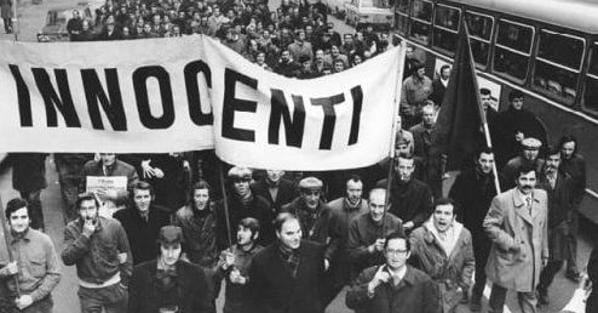
The rescue of Innocenti entrusted to De Tomaso
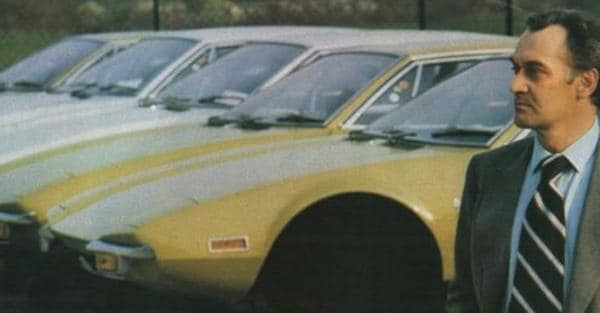
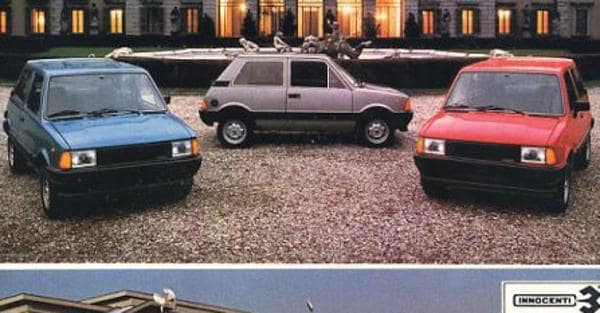
.Amid a series of announcements and denials about the government's plans for the takeover of Innocenti we arrive in February 1976. The proposals on the government's table were those of Honda, Fiat, the trade unions and De Tomaso. If until a few weeks earlier the Fiat hypothesis was taken for certain, it now seems that it will be De Tomaso that will save Innocenti. The entrepreneur plans to intervene together with Gepi and Leyland itself to produce motorbikes, small vans and a 400cc mini-car at Lambrate, as well as continuing with the production of the Mini. This plan aims to reabsorb the entire workforce of Leyland Innocenti, while also guaranteeing employment for the workers in the allied industries and the commercial network. De Tomaso has already rehabilitated, with public intervention from Gepi, other companies including Moto Guzzi, and is pursuing a similar programme at Maserati.