
Innovation, regulations, resources: the country faces the challenge of productivity
Biffi: “Artificial Intelligence provides the assist; we’re on the ground to engage with SMEs”
by Luca Orlando
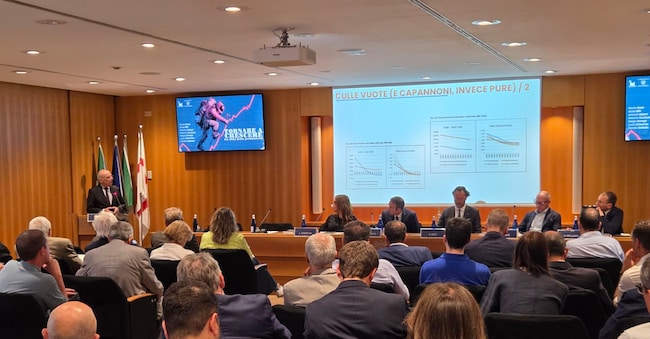
Facilitating business turnover, as called for by the economist Nicola Rossi. Or encouraging businesses to expand, as advocated by the PD’s economic spokesperson, Nicola Misiani. Alternatively, as argued by the Governor of Calabria, Roberto Occhiuto, public policies should focus on enabling factors, such as investing in universities.
Different approaches to a single goal – that of increasing productivity – which for years has remained an unattainable target for Italia, leaving the country languishing at the bottom of international rankings.
This was the subject of a dedicated meeting organised by Assolombarda and the Bruno Leoni Institute, coordinated by Daniele Bellasio, deputy editor of *Il Sole 24 Ore*, which brought together representatives from the business, economic and political spheres.
The common starting point for the analysis is the need to change course in the face of a situation that could be improved, even if it is perhaps not quite as dire as the statistics suggest. ‘If we look at the indicators,’ explains Sergio Dompé, chairman of Dompé Farmaceutici, ‘we ought to be “dead”, yet here we are, still standing. And in some sectors, such as pharmaceuticals or the machinery serving this supply chain, we have great competitive strengths and are among the best in the world. Of course,’ he adds, ‘Italia needs a serious analysis of the situation, channelling the few available resources towards a small number of fundamental priorities.’
But whilst Italy – as explained by the president of Assolombarda, Alvise Biffi – is generally at a disadvantage compared with other countries when it comes to certain key inputs such as raw materials or energy, when it comes to the ‘oil’ of the future – that is, data – we are in a better position.


