
Inps: 817,000 domestic helpers in 2024, carers surpass domestic helpers
In 2024, there were 817,403 domestic workers with at least one contribution paid to the INPS, down for the third consecutive year (-3% compared to 2023) after the strong regularisation recorded with the pandemi

2' min read
Key points
2' min read
In 2024, there were 817,403 domestic workers with at least one contribution paid to Inps, down for the third consecutive year (-3% compared to 2023) after the strong regularisation recorded with the pandemic. This is underlined by Inps in the Observatory on Domestic Work published today.
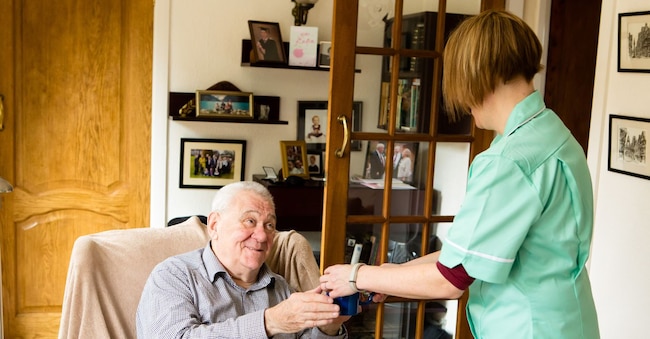
By 2024 carers will outnumber domestic helpers
.In 2024, the share of the labour type 'Carers' was 50.5 per cent, surpassing for the first time the share of 'Domestic helpers' (49.5 per cent), which is linked to the ageing of the population.
Aged workforce
.The workforce in the sector is also ageing rapidly. Among domestic workers 44.3% are over 55 years old with 25.7% over 60
Incentives, safeguards and targeted training
'Domestic work can no longer be considered a private matter: it is a reality that involves millions of families and workers and requires commitment and concrete answers in terms of legality and social responsibility,' said Alfredo Savia, President of Nuova Collaborazione (National Association of Domestic Workers). It is necessary to build a national strategy shared between institutions, families, and workers, based on targeted incentives, adequate protections, and, above all, structured training courses. Training is an essential lever to ensure quality standards in the care of children, the elderly and dependent persons and to enhance the skills of those who, every day, play a delicate and fundamental role in the lives of Italian families. As an employers' association, we consider it essential to promote a culture of legality and dignity in work, to support families with fair and lasting fiscal instruments, and to contribute to public policies capable of recognising the social value of care work, relieving families of a responsibility that today falls almost exclusively on them'.
In the first 4 months, 6.5 billion were spent on the Single Cheque
.In the first four months of 2025, allowances amounting to EUR 6.5 billion were disbursed to families, in addition to EUR 19.8 billion in 2024, EUR 18.2 billion in 2023 and EUR 13.2 billion in 2022. This is what emerges from the Observatory on the Single and Universal Allowance for Dependent Children. There are 6,084,229 households receiving the allowance in 2025, with a total of 9,620,004 children.

