
Dutch interior with rotten fruit
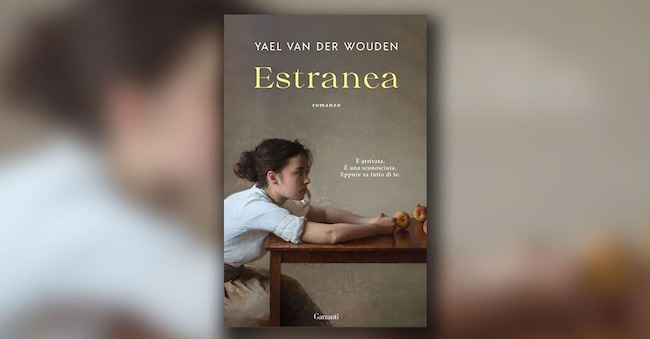
The Stranger, by Yael Van Der Wouden, is one of the five finalist novels for the European Strega Prize. Set in the 1960s, it portrays two women locked in a house who torment each other against the backdrop of one of the terrible tragedies of the 20th century

In a frosty Dutch spring, among the roots of a pumpkin dead from the cold in the garden, Isabel finds a piece of pottery. She recognises it as a fragment of her mother's favourite dinner service, a service they had found in the house when, as children, she and her two brothers had moved to the country with their mother, fleeing the bombed-out city.
Orphaned for ten years, since she was twenty, Isabel still lives there, having cared for her mother until she died, keeping everything in a ghostly order. The two brothers were already gone when she fell ill, one had left to study, the other had run away when his love for the piano teacher was discovered and opposed. Even now they come infrequently and maintain distant and painful relations with their neurotic sister, obsessed with the idea that the maid might steal her objects, morbidly attached to the house, to a childhood that is now mouldy, like the garden where the vegetables slowly rot after a too cold spring.
A tough and austere 30-year-old, sexophobic, disgusted by the idea of any physical contact, unable to meet her younger brother Hendrik's partner, unable to even mention his homosexuality, and horrified by the elder Louis' ever-new girlfriends.
In just a few moves, debut author Yael Van Der Wouden throws the reader into the claustrophobic and cruel atmosphere of what remains of a bourgeois family in the early 1960s. The description of Eva, Louis's new flame, small, poor, with bleached hair, cheap clothes, corny manners and forced cheerfulness, is as ruthless as the jokes that Isabel and Hendrik address her: in the first pages, one feels that annoyance at humanity that assails the reader in the novels of Irène Némirovsky or the short stories of Clarice Lispector.
There is a change of pace when, one day, Isabel's routine and solitary life is turned upside down by the arrival of Louis who asks her to host Eva for a month while he is on a business trip. Unable to refuse, not least because it is the eldest son who has been promised the house, and not Isabel who lives in it, she begins the forced cohabitation with the young woman of whom we know nothing - except that from her appearance she might look Italian - also because Isabel does not bother to do anything to put her at ease, not even a few questions about her previous life.


