
'Intermodality in danger: out-of-control taxation pushes goods from sea to road'
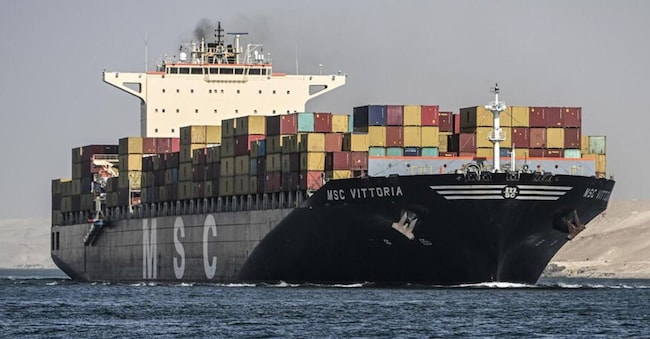
Alarm from President Grimaldi: several European shipping companies complain about the return of hundreds of trucks per day from the motorways of the sea to all roads, thus taking a leap back 30 years
by Marco Morino
Key points
Intermodality is in danger. The blame lies with out-of-control taxation, in Europe and worldwide, which threatens to deal a heavy blow to maritime freight transport to the benefit of road transport, whereas logistics should be a system, integrating ports, freight villages, airports and motorways. taxation branded as 'ideological and discriminatory'.
This was stated by Guido Grimaldi, president of Alis (Sustainable Intermodality Logistics Association), opening the association's annual assembly organised in Rome on Tuesday 2 December 2025. The event was attended by a number of authoritative government representatives, including the ministers Antonio Tajani (Foreign Affairs) and Matteo Salvini (Infrastructure and Transport), while the prime minister, Giorgia Meloni, intervened with a video message, in which she emphasised the commitment of those who, every day, move goods and people in Italy. Meloni also said that 'the transport sector has often been affected by European choices that are more ideological than pragmatic. The ecological transition is an objective that we obviously share, but it must be compatible with reality, with companies' timeframes and with technological neutrality'.
Alis represents 2,450 members, 476,000 workers and 150 billion euros in aggregate turnover. And in recent months companies of the calibre of Ita Airways, Leonardo, Enav and Trenitalia have joined Alis.
Grimaldi's words
Says Grimaldi: 'Europe must support companies on the path to decarbonisation, innovation and energy security. Instead it is taxing them and undermining their competitiveness in the global market. We are thinking of Ets and Fuel-EU Maritime, which are producing competitive distortions, because they only apply to maritime transport, and geographical distortions, because they only concern intra-European routes. These taxes risk further penalising European companies and citizens'. According to the president of Alis, also aggravating this distortion of modal competition is the postponement of Ets 2 for road transport from 2027 to 2028.
"While on the one hand," notes Grimaldi, "we understand that this news is positive for road transport companies, on the other hand this postponement increases the disparity produced by the ETS on maritime transport, thus fuelling unfair competition between the Motorways of the Sea and all-road transport. Unfortunately, several European shipping companies are complaining of a modal back shift, i.e. the return of hundreds of trucks per day from the Motorways of the Sea to the roads, taking a 30-year leap backwards compared to those who believed and invested in these far-sighted policies, such as the former European Commissioner for Transport, Loyola de Palacio".


