
Internal Areas, Strategy Flop. After 10 years expenditure at 56%
The 2014-2020 plans of the municipalities most isolated from health services, education and mobility: 706.5 million out of 1.2 billion euro. The new 2021-2027 cycle is delayed

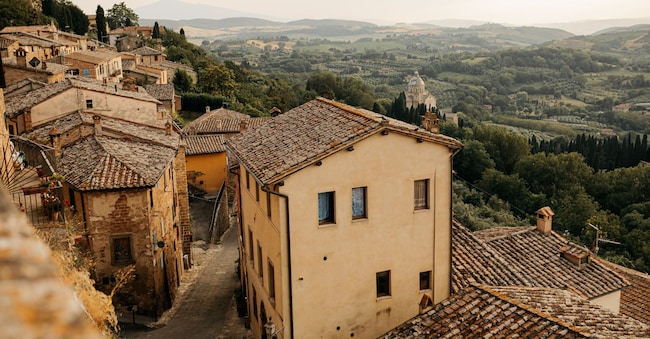
Almost 4.6 million Italians reside in the inland areas at greatest risk of depopulation and placed at the centre of the National Strategy, financed by European and national resources. All in all, these 1,904 municipalities are burdened by what can to all intents and purposes be considered a citizenship deficit, because they are located a long distance from the centres of supply of essential services, i.e. education, health, mobility. More than ten years have passed since the launch of the National Strategy, but the results to date are almost a failure. So far, little more than half of the resources put in place at the dawn of the 2014-2020 programming have been spent: 706.5 million out of 1.2 billion euros, 56.7 per cent. Resources that would be used, to cite a few examples, to strengthen outpatient clinics, service pharmacies, general medicine home-based activities, community nurses, additional local public transport services and dedicated school transport, training for primary school teachers, the first cycles of school improvement in technical and professional institutes, cooperatives for the management of services for the elderly. But also preservation of craft activities, incentives for local tourism.
The budget, based on a forecast of payments on 30 June, is contained in the 'Report on interventions in underutilised areas' attached to the Public Finance Document approved last week by the Council of Ministers. And in the meantime, it emerges from the same document, the new Strategy, which should cover the period 2021-207, is dangerously behind schedule. In the Report, prepared by the offices of the Minister for EU Affairs, NRP and Cohesion, Tommaso Foti, the sources of funding are clearly distinguished. If the share of the Strategy covered by European funds - equal to 545 million - is expected to be fully accounted for, the spending progress of national resources, i.e. the remaining 700.8 million divided between the Development and Cohesion Fund, Cipess resources, and regional, municipal or local authority funds, is as low as 23 per cent, against commitments of 55 per cent.
Summarising all the numbers of the issue, which was also raised as a critical point by Minister Foti in a hearing in Parliament, the inland areas selected in the 2014-2020 programming were 72 between the North and the South, with a total of 2 million inhabitants and about 17% of the national surface area. But the definition phase of the 72 implementing Framework Programme Agreements did not end until the end of 2021. From then on, the monitoring of activities also proved complicated and in 2025 the Department for Cohesion Policies started to tighten the bolts for more detailed information.
In the meantime, the machinery of the 2021-2027 programming has been set in motion, not without difficulty, with 56 new areas added to the 71 (out of 72) of the 2014-2020 cycle that have been confirmed. In all, 127 areas for over 1,900 municipalities and almost 4.6 million Italians. In 2023, a steering committee was set up to approve the Strategic Plan for the development of inland areas, which was approved almost two years later, and the first Area Strategies were approved in early 2026. An acceleration is required and, in order to streamline the process, the Department is working on an IT platform to manage the various Framework Programme Agreements. Replicating the delays of the previous spending period would be unforgivable.


