
International, cultured, chaotic: the new Madrid is evolving but remains the same
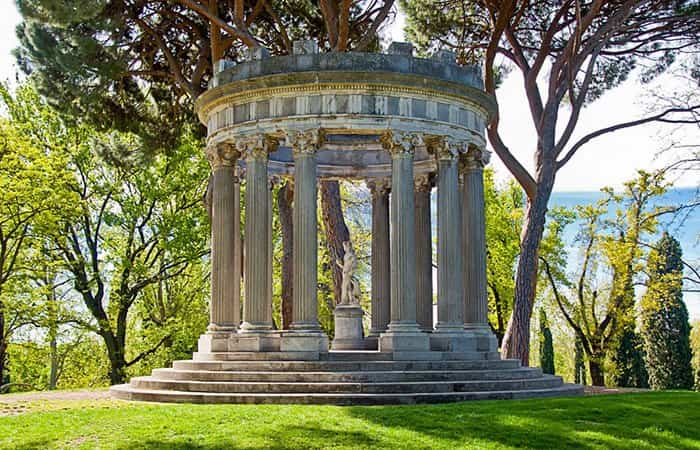
El Capricho, the palace of the Duchess of Osuna, is set to reopen to the public this autumn following a €9 million restoration project

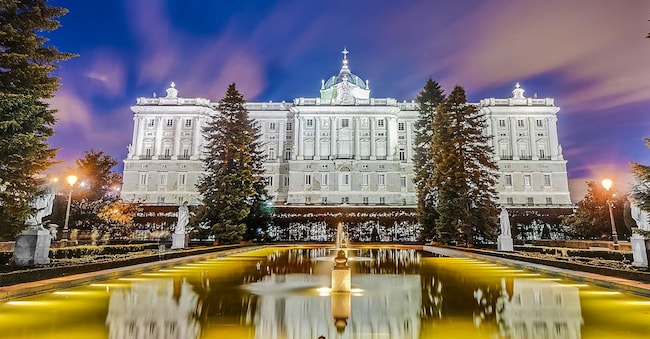
Madrid is enjoying a golden age. For the first time, it has overtaken London and Paris in terms of foreign investment; the property market has grown faster than the global average (by 4.8 per cent according to the Barnes City Index 2025); and Forbes has named it the Best European Destination for 2026. International capital is pouring in, along with new residents and a growing expat community – particularly from Latin America – to the extent that some neighbourhoods have been renamed ‘Little Miami’ or ‘Little Caracas’. With this success comes the fear that the city might lose the authenticity and cheerful chaos that have always set it apart from other European capitals. But the people of Madrid have discovered a new sense of pride and love their city just as it is: lively, chaotic, capable of turning a square into a party for everyone. Its strength lies in its structure – lacking a single centre, it is a collection of neighbourhoods whose character changes within the space of a few blocks. Salamanca is elegant, Chueca creative, Chamberí more residential. Puerta del Sol became a pedestrian zone in 2020 and remains the city’s symbolic centre with the statue of the bear climbing the arbutus tree.
The qualification
During the same period, the regeneration of the area around the Royal Palace began: traffic was banned to make way for gardens, footpaths and a cycle path that winds its way like a flying green carpet, much like New York’s High Line. It is not merely a park, but a new way of traversing the city, linking historical heritage, sustainable transport and public spaces. In April, the Real Armería reopened, housing one of the world’s most important collections of weapons and armour. This autumn, meanwhile, sees the opening of El Capricho, the palace of the Duchess of Osuna, which, following a €9 million refurbishment, will open the most cultured salon of the Spanish Enlightenment to the public for the first time.
Branch Madrid: Philippe Starck’s latest project
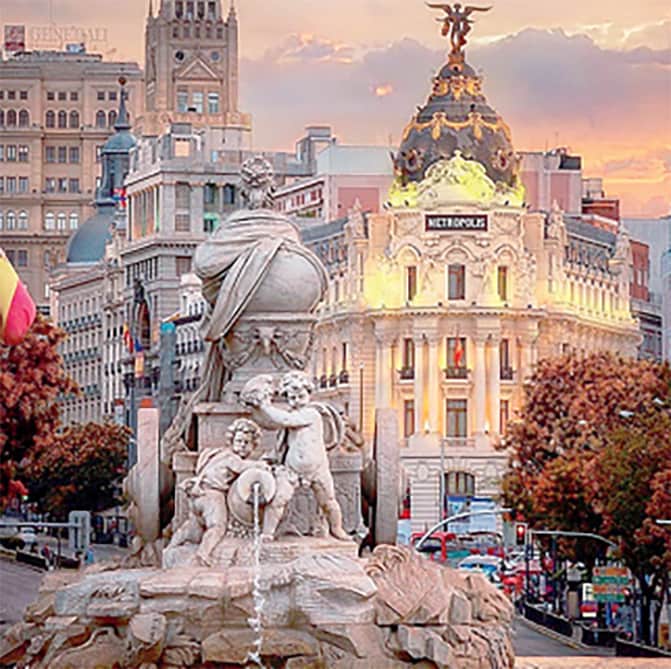
As is often the case, this growth is also attracting luxury hotels: in January 2025, the Brach Madrid opened, designed by Philippe Starck, who envisaged the hotel as the final stop on a man’s tireless pilgrimage in search of his beloved. The narrative unfolds amidst maps, boxing gloves, castanets, small guitars and fans hanging in the rooms. But the true history of the building that houses it is even more fascinating: Victor Hugo lived there as a child; in 1922, Pidoux, the city’s first cocktail bar, opened there; and between 1939 and 1990, the second floor housed the Alfonso photographic studio, famous for its poignant images of the Civil War. Today, at the Brach on Gran Vía – a sort of Madrid’s Broadway – people stop off for the Saint-Honoré from the patisserie, the croquetas from the bistro and the cocktails from the bar. On the corner of this same monumental street, everyone recognises the huge black dome topped with the winged victory of the Metrópolis. It is one of the city’s most admired and photographed Beaux-Arts buildings, and remained inaccessible until last January, when Marta Seco and Sandro Silva, following the tremendous success of the Amazónico restaurants, created Club Metrópolis – a new hub for hospitality and Madrid’s social life – featuring 19 boutique rooms and seven restaurants, ranging from a tapas bar to the Spa de Langostas, with a swimming pool filled with live lobsters at its centre. The members’ club offers a programme of music, art, travel and wellness, which is also open to hotel guests for the duration of their stay only.
Walking between Salesas and Chueca
But to really understand where Madrid is heading, you need to step away from the gilded towers of the luxury hotel scene. Between Salesas and Chueca, independent boutiques, cafés and restaurants line the streets; in Chamberí, around Plaza de Olavide, you’ll find neighbourhood shops and new dining hotspots. Taberna La Mina, a historic tapas bar run by the founder’s grandson, is a more interesting example of continuity than many recent openings, and its gambas a la plancha are always exquisite. If Madrid is on the move, it does so without losing that blend of chaos, street life and sociability which, as it well knows, remains its most precious asset.

