
Interports, reform closer: examination of the text in the Senate in a few days
Gasparato (Uir): 'Historic milestone: after many years we will finally have a law that is up-to-date, modern and consistent with the real needs of the sector'

3' min read
3' min read
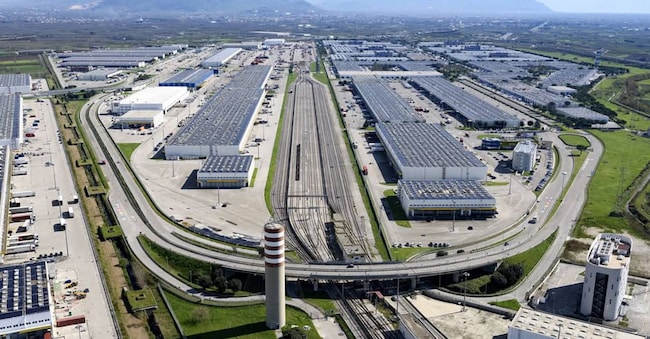
"Freight villages have no less dignity than ports. When laws are made with support measures in favour of ports, the same should be envisaged for freight villages'. So says Matteo Gasparato, president of Uir (Unione interporti riuniti), opening the association's assembly hosted by the Venice freight village. Uir represents 28 freight villages (plus two aggregates: Rail hub and Logtainer), for a total of more than 60 million square metres of logistics area, handling more than 50 million tonnes of goods every year, many of them by rail. The freight village is the place for intermodality, i.e. where the physical transfer of goods from road to rail and vice versa takes place.
The reform of freight villages
The national system of freight villages has been fighting for years to obtain a new law on the sector, which is regulated by a 1990 regulatory framework (Law 240). Gasparato's words were followed by those of Antonio Iannone, undersecretary at the MIT (Ministry of Infrastructure and Transport): 'From next week we will proceed to the vote in the Commission and then in the Senate on the framework law for the reform of freight villages. So that, within the next month, there can be the final vote, because as a result of these changes the text will have to return to the Chamber of Deputies, but it will be a formal passage'. The text has already been approved by the Chamber during 2024. Gasparato continues: "The passage of the reform law to the Senate represents a fundamental step for the future of our sector, since an updated law that is consistent with the changes in the market and global logistics is essential to ensure the competitiveness and resilience of the Italian interport system.
The new law will have to define clear and consistent criteria for the recognition of freight villages, overcoming ambiguities and regulatory fragmentation; strengthen their role in national infrastructure planning, making the interport system a pillar for the country's development; and promote integration with the European Ten-T corridors and regional logistics plans, so that freight villages become a strategic connection point at the international level. Gasparato notes: 'We are close to a historic milestone: a law that is finally updated, modern and consistent with the real needs of the sector. A regulatory framework that not only recognises the strategic role of our network, but also provides the necessary tools to meet the challenges of the future, including sustainability, digitalisation and logistics resilience. This reform is not only a step forward for our sector, but an opportunity to strengthen Italy as a European and global logistics hub'.
The impact of railway construction sites
.Another topic on the agenda at the UIR conference is the number of railway construction sites (around 1,200) operating in Italy under the Pnrr. The 3.2 per cent drop recorded in 2024, which follows the minus 16.5 per cent in 2023, in the number of trains operated in Italy's freight villages, indicates that work on the national rail network is currently having a significant impact on traffic. This is all the more relevant in view of the fact that the figure is in contrast to the years prior to the opening of the construction sites, during which there had been a progressive annual increase in intermodal rail transport operated by the Italian interport network. On the other hand, the decisive role of the freight villages is evidenced by the fact that in 2024 some 40,000 intermodal trains originated from or were destined for interports. It is, therefore, a matter of managing this transitional phase pending completion in 2026.


