
iPhone 17, the test: it's the one, but with a little regret
The basic model is the one that perhaps gains the most (innovative) ground, mending some of the gap with the Pro models. But the dimensions are not the best

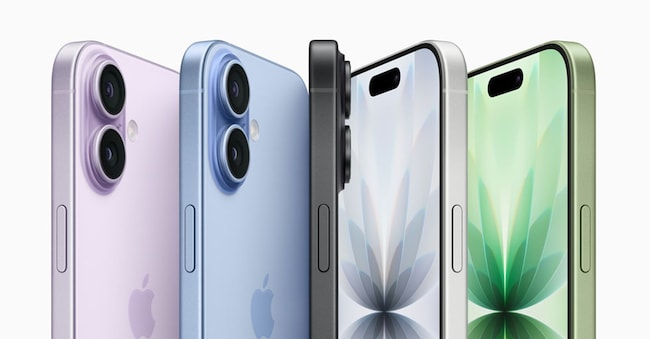
If the main question is: which iPhone (of the latest arrivals) is the right one, we have the answer: iPhone 17, base model. Maybe with a 512 GB memory denomination. But if this story were a book, the title would be different. Something like: 'Story of a small regret'. Because this iPhone 17 does leave one big regret: its size. The 6.3-inch display, without the possibility of choosing a Plus model (6.7) as in previous years, is a choice that seemed rather limiting, also in view of the fact that there are fewer and fewer top-of-the-range models with such small displays.
Apple has sacrificed the Plus model this year, as it has added the Air model to the iPhone family for this 2025. Which however cannot be considered a replacement for Plus (they are conceptually different phones, we tested them here). Yet if the iPhone 17 had a more generous display, it would undoubtedly be a very good phone. Because the improvements made (one above all, the adaptive refresh rate of up to 120Hz) make it truly one step away from the Pro models, which at this point become ideal only for those with professional needs.
In fact, after about a week of use, the iPhone 17 seems to us to have marked a turning point for Apple's 'standard' line, as it introduced features hitherto reserved for Pro models. The 120 Hz refresh rate has given a fluidity to the display that was previously lacking (compared to the Pro models), whether during web browsing or perhaps during a long Whatsapp chat. But above all, thanks to the refresh rate, even the basic model from this year has an always-on display, thanks to the technology developed by Apple which, during standby phases, brings the frame rate down to 1 hz, reducing battery consumption,
On the processor front, the iPhone 17 features the new A19 chip, accompanied by a proprietary network chip (N1) that handles Wi-Fi, Bluetooth and other protocols. And the performance is truly excellent: the device handles heavy loads and maintains responsiveness even with demanding operations. Without suspicious temperature rises.
The photo department is also top-of-the-range. The ultra-wide-angle camera has been changed from a 12-megapixel sensor to a 48-megapixel sensor that clearly has much better capabilities. In shots compared to its predecessor (iPhone 16), the iPhone 17's ultra-wide-angle appeared sharper and produced bolder colours.


