
Iran, from the Golestan Palace to the Jameh Mosque: World Heritage Sites at Risk of Destruction
A total of 29 properties in the Islamic republic are inscribed on the Unesco List. The Un agency shared the coordinates of the main cultural sites with all interested parties
Key points
US and Israeli attacks have so far damaged at least six cultural and historical sites across Iran. And there is growing apprehension among experts and scholars about the impact that the expansion of the war may have on the Islamic Republic's cultural heritage and the places fundamental to its identity. There are a total of 29 Iranian properties on the Unesco World Heritage List (ninth in the world). The extent of the damage suffered since the beginning of the conflict has prompted Tehran to send a request to the UN cultural agency to add more sites to its list.
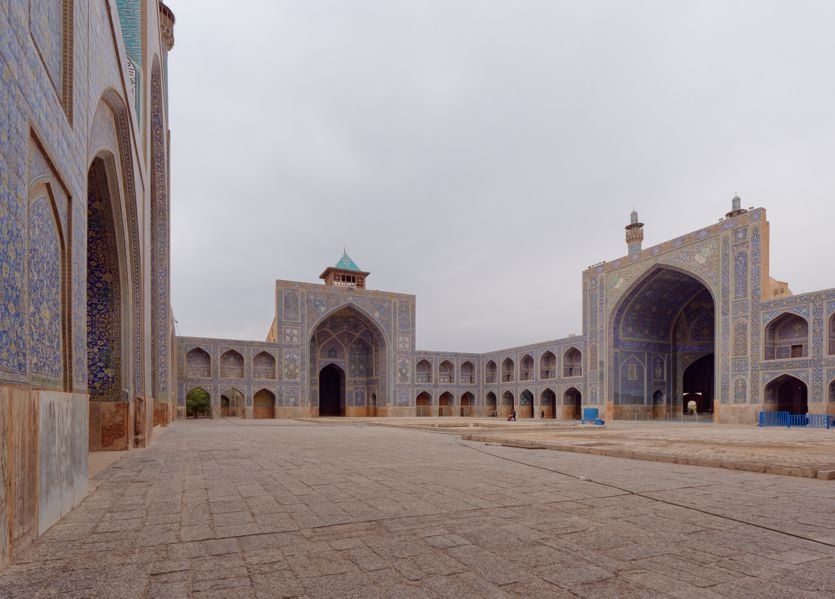
'Israel,' Iranian Foreign Minister Abbas Araghchi wrote on 12 March on X, 'is bombing Iranian historical monuments dating back to the 14th century. Several Unesco World Heritage sites have been hit. It is natural for a regime that will not last a century to hate nations with an ancient past. But where is Unesco? Its silence is unacceptable'.
Indeed, the previous day, Lazare Eloundou Assomo, director of the Unesco World Heritage Centre, speaking to Reuters had said that 'Unesco is deeply concerned about the initial impact that the hostilities are already having on many world heritage sites', adding that it is also concerned about sites in Israel, Lebanon and throughout the Middle East. Unesco has shared the coordinates of the main cultural sites with all interested parties and is monitoring the damage.
The Jewels of Isfahan
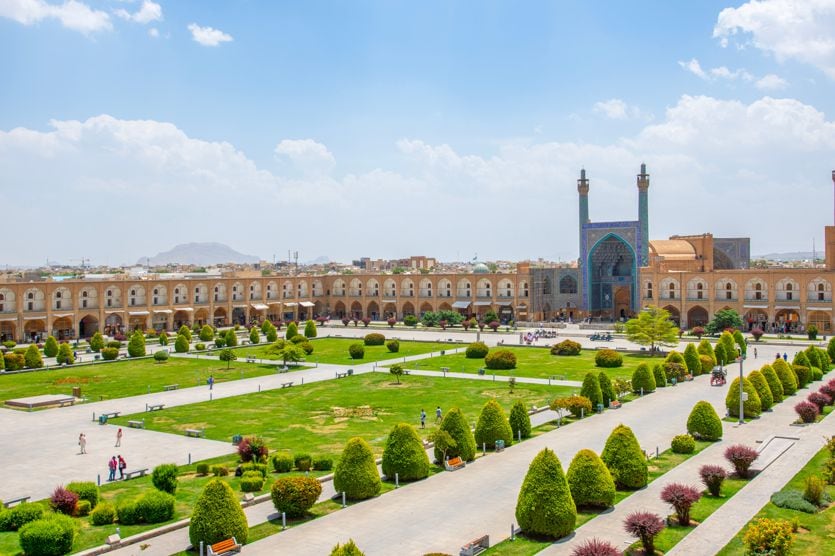
In Isfahan, 421 kilometres from Tehran, the third largest city and the country's main tourist destination, was one of the most important cities in Central Asia and a key point on the Silk Road trade route. Israeli air raids damaged several of Iran's most valuable cultural jewels. The Ali Qapu Palace suffered damage: built at the end of the 16th century, it is a tall building in the shape of an arch crowned at the front by a huge tālār (covered balcony) that served as an audience hall and observation point from which the Shah and his guests could watch polo matches or gladiator fights. The palace overlooks the immense Naqsh-e Jahan Square (meaning 'Picture of the World' in Persian): located in the heart of the city, it was designed to house the architectural jewels of the Safavid empire. It is the second largest square in the world, surpassed only by Tiananmen Square in Beijing. In 1979, it was included in the UNESCO World Heritage List. Which describes the monuments bordering it on all sides as 'an impressive testimony to the level of social and cultural life in Persia during the Safavid era'.
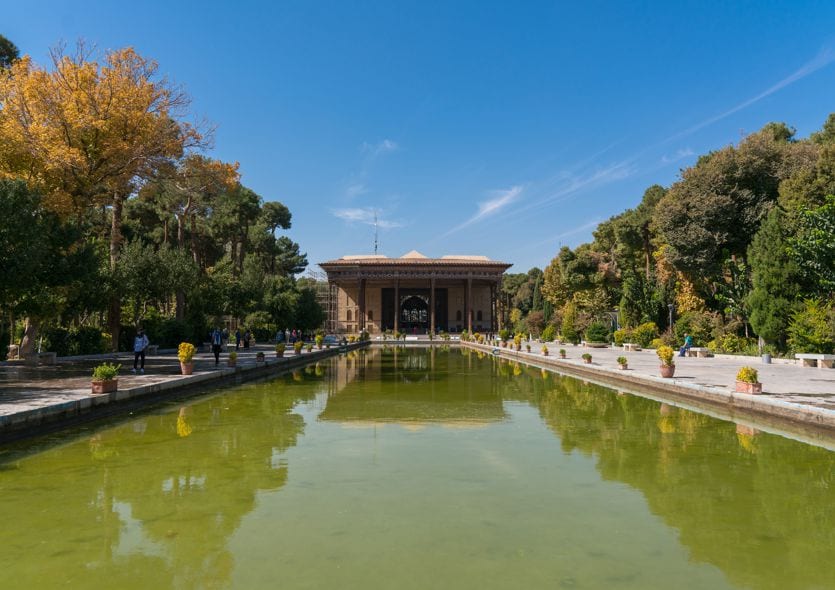
Also part of the Unesco list, thanks to its Persian garden, is the Chehel Sotoun palace, which means '40 columns', the sum of the twenty columns supporting the ceiling and their images reflected in the pool of water in front of the palace. Its existence is documented as far back as 1614 (but was rebuilt in 1706 after a fire). It was the place where the Safavid rulers received foreign envoys. The palace is located near the provincial governor's building, the target of an Israeli raid in recent days.


