
With the closure of the Strait of Hormuz, here are the effects on food production and stocks in Italia
Supply chain Italia: EU must create strategic reserves of critical raw materials and fertilisers. China and the US also invest in stockpiles to protect internal stability and project geopolitical influence

Key points
The food crisis was touched upon in the Covid emergency. It was felt but absorbed (at great cost) with the Russian-Ukrainian war. It risks leaving its mark heavily with the outbreak of the new crisis in the Middle East.
This was discussed during the two days in Brussels at the 11th Global Food Forum of Farm Europe, the association founded 11 years ago as an agricultural think tank and today made up of more than 35 farmers' organisations (including the Italian Coldiretti), companies in the agri-food chain and scientists from 17 different countries.
Reinforcing production is not enough
"Strengthening Europe's production capacity remains essential but it is not enough," said Luigi Scordamaglia, CEO of Filiera Italia and president of Eat Europe, speaking at the Forum. "The EU must reduce its exposure to external shocks by creating strategic reserves of essential agricultural raw materials and critical inputs such as fertilisers and feedstuffs (products for which Italia has a large deficit nrd).
The current fertiliser crisis, aggravated by geopolitical tensions and trade measures, has already led to increased costs and reduced yields. Strategic reserves would be a key risk management tool to protect European farmers and consumers from further volatility'.
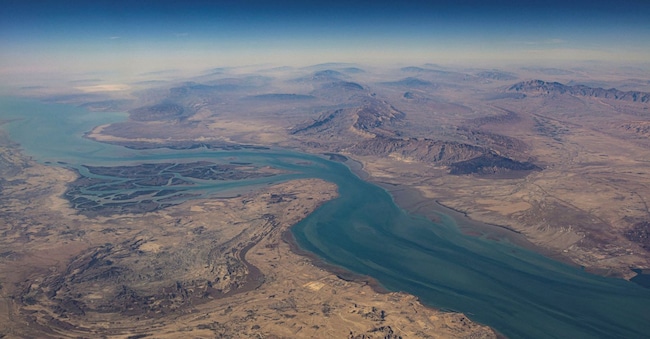
One third of the world's fertilisers are blocked in the Strait of Hormuz
Already yesterday, at the meeting of Farm Europe, Coldiretti president Ettore Prandini had recalled how 'from the Strait of Hormuz, now blocked, passes at least one third of the world's fertiliser production. If we consider that another significant share is produced in Russia and Belarus we realise that we are in serious danger of being left without a fundamental tool for agricultural activity. Without fertilisers we do not produce'.


