
Iran war: oil wipes out gains, gas at highs since April
Supply and production were unaffected for the time being and Brent remained below USD 78 (76.87 -0.17%). Wti dropped 0.22% to $73.68

2' min read
2' min read
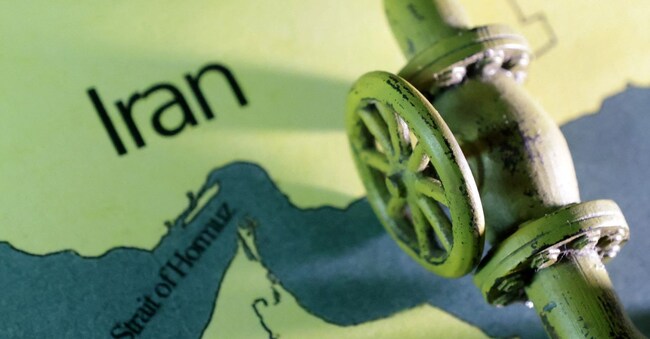
Pressures on oil diminished, and futures reset their rises. Supply and production were unaffected for the time being and Brent remained below 78 dollars (76.87 -0.17%). The Wti dropped 0.22% to 73.68 dollars. Gas futures, on the other hand, remained on the rise with the Ttf rising 0.54% to EUR 41.15 per megawatt hour. Since Israel attacked Iran, more than a week ago, the oil market has feared an escalation of the crisis. Crude oil benchmarks rose, option volumes increased and the futures curve shifted to reflect fears of a short-term supply disruption. The Middle East accounts for about one-third of global crude production, but there have yet to be any signs of a disruption in physical oil flows, including cargoes passing through the Strait of Hormuz. 'We're up $10 a barrel since the start of the war, now a little bit more so I think there is an appropriate amount of risk,' comments one analyst.
In Europe gas price at highest level since April
The price of European natural gas rose significantly following the US attack on Iran. At the start of trading today, the benchmark TTF futures contract with one-month delivery jumped to EUR 42.44 ($48.80) per megawatt-hour (MWh), reaching its highest level since early April. However, in early trading, the price lost some of its gains. The last quotation was EUR 41.53, which is still about 1.5 per cent higher than on Friday. Over the weekend, the US intervened in the war between Israel and Iran by bombing Iran's underground nuclear facilities. US President Donald Trump's actions sparked international fears about an escalation of the Middle East war, which could also lead to a blockade of shipping through the Strait of Hormuz. There is a significant risk that Iran may attempt to disrupt shipping traffic through the Strait of Hormuz, said Warren Patterson, commodities expert at ING Bank. The strait is a critical point for global oil and liquefied natural gas traffic, he added. According to the Ing expert's assessment, about 20 per cent of global liquefied gas trade is through the Strait of Hormuz.

