Petrol

Isab, CEO Fedeli: ‘Crude oil and biofuels to revitalise Priolo’

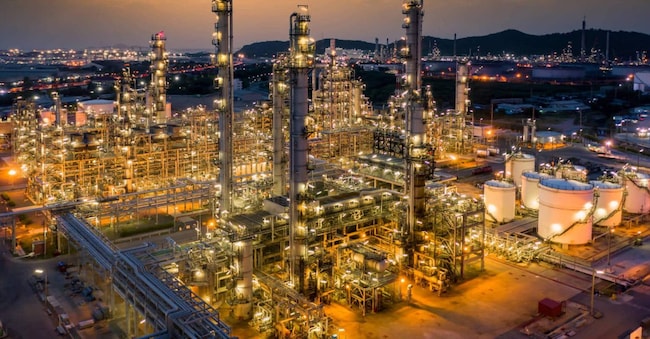
ISAB POLO INDUSTRIALE RAFFINERIA RAFFINERIE GAS PETROLIO CARBURANTE OLEODOTTO OLEODOTTI IMPIANTO PETROLCHIMICO INDUSTRIA ENERGETICA PETROLCHIMICA PRODUZIONE CARBURANTE CARBURANTI IMAGOECONOMICA

3' min read

Translated by AI
Versione italiana

3' min read

Translated by AI
Versione italiana

Increasing crude oil refining capacity and producing biofuels using existing facilities. This is the strategy with which the Ammaturo family’s Ludoil Group intends to revitalise Isab, with investments totalling 1.3 billion euros over five years. On 23 September, Ludoil Capital, a wholly-owned subsidiary of the holding company Ludoil Energy, acquired a 51 per cent stake in Isab from Goi Energy following the government’s approval under the Golden Power scheme. Paolo Fedeli, the chief executive appointed by the new majority shareholder, outlines the plan for the Priolo refinery.

Where does Isab’s revival begin?

Loading...

The first area of focus is our people. Investments on this scale require expertise and motivation. On the industrial front, we are starting with traditional refining. We aim to increase capacity beyond the levels seen in recent years by bringing some idle units back into service. Some need to be refurbished, whilst others need to be rebuilt.

Which units will be redeployed and when?

We expect to bring the thermal cracking unit, the deasphalting unit and the topping unit at the North refinery back into operation by the third quarter of 2027, and in some cases even sooner. As for gasification, I would say the final quarter of 2027. In July, Isab began co-processing vegetable oils at the North site.

What’s the next step?

Let’s start with a project with a shorter timeframe in the petrol sector. We then envisage one or two units for the processing of vegetable oils – probably two – and a system for pressing seeds not intended for human consumption. In the initial phase, using the existing plants, we can achieve around 300,000 tonnes of co-processing. The plan also involves switching gasification from refinery residues to biomass. Are you focusing on aviation or road transport? It depends on the unit processing the bio-based raw material. We can produce bio-petrol, sustainable aviation fuel (SAF) and renewable diesel (HVO). Some units would produce only HVO, whilst others would allow for a combination of fuels.

Why keep crude oil and organic raw materials together?

Italia must maintain production volumes commensurate with its needs in order to safeguard its energy independence. There is also a problem of scale in Priolo. If we were to run the plants solely on plant-based raw materials, we would have to close half of them. We want to maintain a strong traditional production sector and complement it with organic processing. Processing margins, certifications and savings on CO₂ quotas can improve profitability and reduce refining costs.

Trafigura supplies crude oil and takes delivery of around 90 per cent of Isab’s refined petroleum products under an exclusive agreement running until 2033. How will this relationship develop?

Loading...

Compared with three years ago, both the needs that the agreement was designed to meet and market conditions have changed. We will need to find a structure that allows Isab to continue serving the domestic market whilst taking profitability and efficiency into account. Discussions are ongoing, and I shall leave it at that. The plan envisages around one hundred new technicians and operators once fully operational. How many people will be working on the sites? We currently have around one thousand direct employees. Including staff from contractors, the total comes to 2,600–2,700 people. In the early months of 2027, for the major maintenance of the South refinery, we expect 3,700 people on site in addition to the 1,000 employees. The investments will create jobs in design and construction. Once fully operational, operators, shift workers and engineers will be needed for the plants, which will run 24 hours a day. Employment levels will be higher than they are today.

Is there room for hydrogen too?

Isab already produces it. The question is whether we can produce it with a lower carbon footprint and at competitive costs. Under the current Italian regulatory framework, electrolysis is not economically viable compared with other options.

What do you expect from the government and the European Union?

The government has invoked the Golden Power twice to protect Priolo. In Europe, I see a renewed focus on refining. In Italia, alongside Ludoil and Isab, we took part in the first round of talks convened by the Mimit and the Mase. The discussions centred on the balance of fuel types and how to improve them.

Copyright reserved ©

Brand connect

Loading...

Newsletter

Notizie e approfondimenti sugli avvenimenti politici, economici e finanziari.

Iscriviti