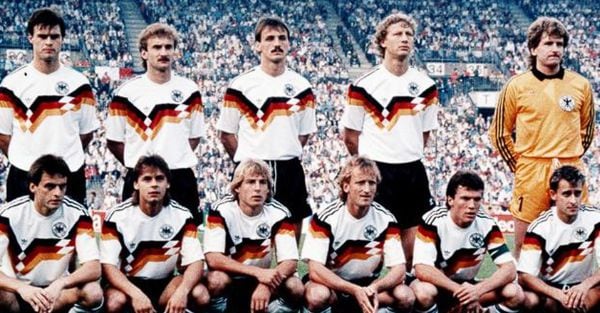
Italia ’90: when we hosted the World Cup (and played in it too)
Thirty-six years ago, the ‘Magical Nights’ of the last FIFA World Cup held here began. What we were like then and what has changed
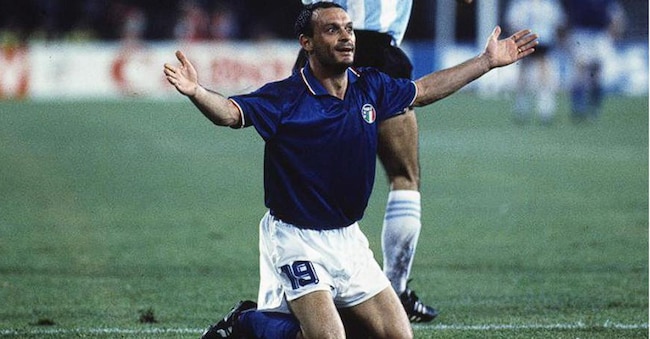
On that Friday afternoon, 8 June, San Siro looked like Toyland. A long procession of top models dressed in designs by Italy’s leading fashion houses, from Valentino to Missoni, welcomed the world, whilst two platinum-selling artists, Edoardo Bennato and Gianna Nannini, performed a lip-synched rendition of Un’estate italiana, the event’s official anthem, written by the most famous South Tyrolean on the planet. Sinner? Not at all, he wasn’t even born yet: Giorgio Moroder, with three Oscars and four Grammys to his name. Thus began Italia ’90, the last World Cup organised here in Italy.
Try explaining to Gen Z, Gen Alpha and the like that Italia was a footballing superpower; that ours was, as the saying goes, the most exciting league in the world, highly coveted by those we would now call top players; that Milan had just won the European Cup, Sampdoria the Cup Winners’ Cup and Juventus the UEFA Cup. Try explaining to them that ours was the seventh-largest economy in the world, the land flowing with milk, honey and baby pensions. Well yes, dear young people who are about to tune in to the third consecutive FIFA World Cup without the Azzurri: there was a time when we used to organise the World Cup. And, above all, we used to play in it right to the end. You’ve probably realised that something must have gone wrong over the last 36 years. In football and beyond.
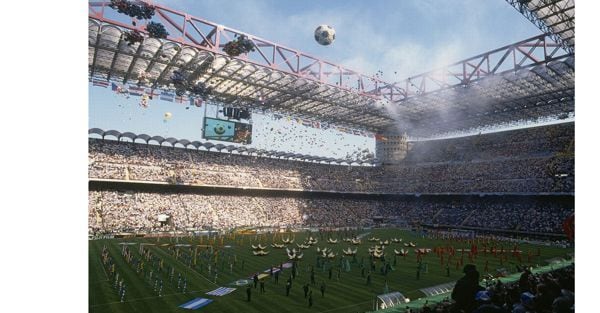
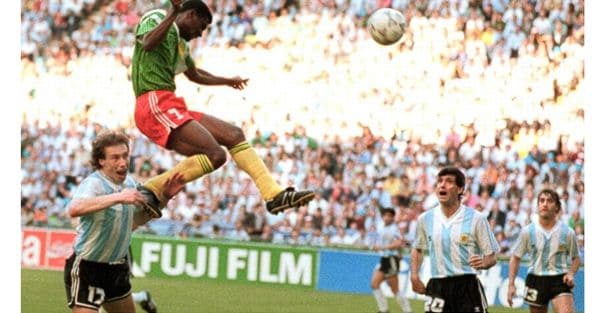
Let’s start with that Friday, 8 June, when the opening match – as is customary – pitted the defending champions, Argentina under Diego Armando Maradona, against the greatest player of all time – against Cameroon, led by ‘Grandad’ Roger Milla, a centre-forward whom some records list as 30 but who is actually at least 38. An immediate surprise: the ‘Indomitable Lions’ win by the narrowest of margins (goal by Omam-Biyik in the 67th minute) and embark on a journey that will take them all the way to the quarter-finals. What’s more: Cameroon is merely a foretaste of the football to come, the football of today where athletic strength is an indispensable prerequisite and, not surprisingly, the world’s top leagues are full of African players. From Hakimi to Salah, from Brahim Diaz to Osimhen. Italia ’90 brought with it several ‘geopolitical’ changes: it was the first World Cup after the fall of the Berlin Wall, the last featuring the Soviet Union, West Germany and Yugoslavia, which was heading towards a terrible civil war. The first in which Africa took centre stage, in fact.
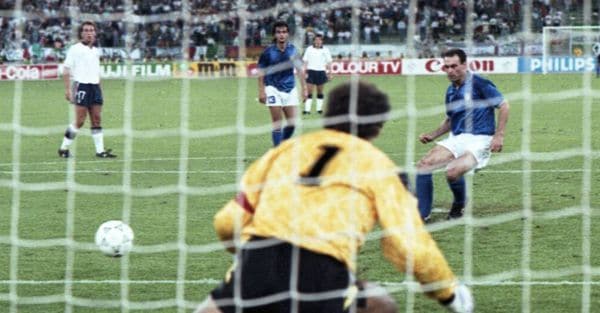
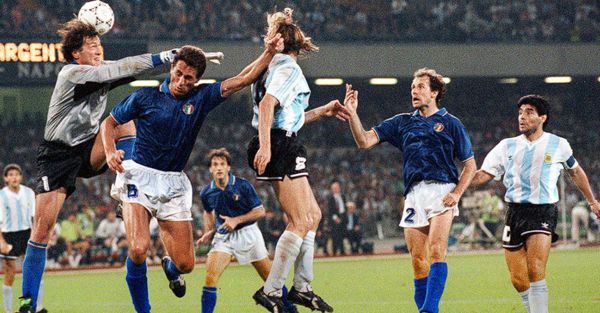
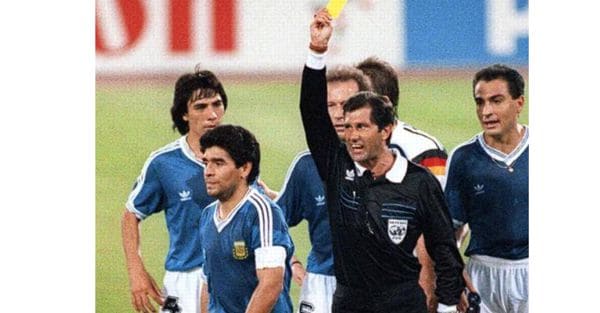
Argentina, by contrast, is losing much of its certainty. Not all of it, however: it remains clinging to the one true ‘D10s’, to his sublime moves, to his situational play. Maradona is still Maradona and, with Ferlaino’s Napoli, despite being sidelined, he has just won the Scudetto again. In the Albiceleste shirt, the most he can do is inspire Caniggia, a hard-working player at Atalanta. But that is enough, and that Argentina side becomes a problem for many: Lazaroni’s favourites Brazil, for example, are knocked out in the round of 16 (goal by Caniggia in the 81st minute). But above all, the team that had been tipped for the final victory. That is, us: Italia.
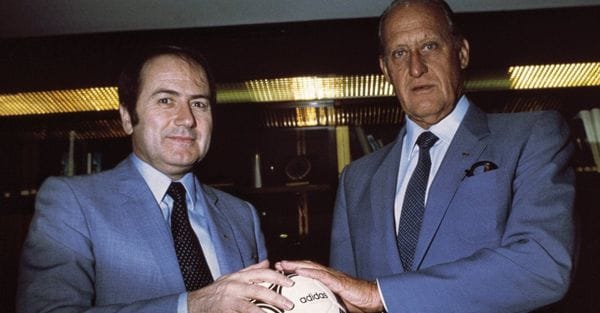
And here we need to take a step back. At that point in history, world football was in the hands of two men: the Brazilian João Havelange, president of FIFA, and his all-powerful secretary, the Swiss Sepp Blatter. A system that was anything but transparent, which international prosecutors would investigate at length, without, however, securing any convictions. The very same system against which Maradona – who at the time was, so to speak, football personified – did not hold back with his accusations. The FIGC was in the hands of Antonio Matarrese of the famous Apulian family of builders who owned Bari, whilst the organising committee for Italia ’90 was headed by Luca Cordero di Montezemolo. Organising the World Cup cost us a fortune: between 5,000 and 6,000 billion old lire to refurbish stadiums and public works, compared to the 2,500 billion initially budgeted. The story is well known: it is characterised by unfinished projects, white elephants, things that could have been done better. A scenario to which we are now quite accustomed.