
Italia-Africa summit, Meloni: billions mobilised, debt suspension for climate crisis
Second Summit on the Mattei Plan and Intercontinental Relations kicks off. Criticism over transparency
by our correspondent Alberto Magnani
 Aggiungi Il Sole 24 Ore
ai preferiti su Google
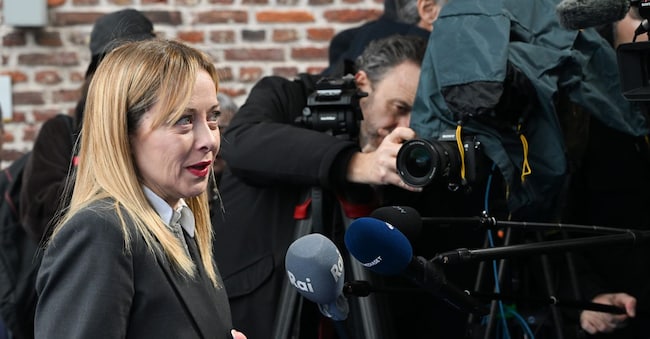
The Italia government has mobilised 'billions of euro in private and public resources' on an African scale, flowing into areas such as energy, food security, physical infrastructure and health 'collaborations'.
Italy's Prime Minister, Giorgia Meloni, thus opened her speech at the second Italia-Africa summit, underway in Addis Ababa more than two years after the debut summit in Rome in 2024: the launch pad for the so-called Mattei Plan for Africa, the strategy for the "paradigm shift" in continental relations declared by the Italia government's initiative. Meloni claimed the executive's 'change of approach' and the break with 'predatory' and 'paternalistic' logics towards the continent, reiterating the leitmotiv of the 'new page' with Africa and the 'extraordinary potential' of the continent's economies. In her closing remarks, Meloni also announced the inclusion of 'clauses' on debt repayment, with the option of suspending repayment in the face of particularly damaging climatic crises.
Meloni spoke at the summit, inaccessible after a bilateral meeting with Prime Minister Abiy Ahmed and in the presence of the Ethiopian leader himself, African Union and Angola President João Lourenço, AU Commission President Mohammed Ali Youssouf, and UN Secretary General António Guterres. Tomorrow, 14 February, it will be his turn to address the 39th Summit of the AU Heads of State and Government. "Our continent needs to catch up with the economies of the US or Europe," Lourenço said, adding that the AU "needs to exploit the possibilities of the Mattei Plan for infrastructure. We are capable of overcoming this gap and our continent abounds in raw materials that are sought after today'. The 'ipcoris'
The Origins and Criticism of the Summit
The summit did not reserve any unprecedented announcements with respect to the initiatives already detailed in the Plan's annual reports, but as Sole 24 Ore has learned, the aim of the summit is mainly political: to gather feedback from African governments, trying to balance the cost of the controversy of the first summit against the lack of involvement of African leaders in the Plan.
The plan was born with an original endowment of 5.5 billion euro transferred from the Cooperation and Climate Fund, projecting itself to a welding with the European Global Gateway consecrated by the Italia-EU summit on Africa in June 2025. The strategy is divided into six thematic pillars and is now expressed on a basin of 14 African countries, against the 9 originally indicated: Algeria, Angola, Côte d'Ivoire, Egypt, Ethiopia, Ghana, Kenya, Mauritania, Morocco, Mozambique, Republic of Congo, Senegal, Tanzania and Tunisia.


