
Italia in the grip of a heatwave. Piedmont Region: ‘Wildfires are causing an ecological disaster’
Note from the Region: according to a provisional estimate, a total of between 800 and 900 hectares have been burnt across the provinces of Turin, Vercelli, Novara and Verbano-Cusio-Ossola

Key points
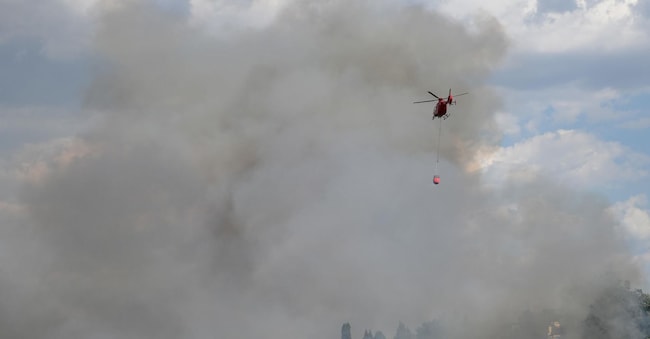
Coming soon a new heatwave, the third of 2026, lasting at least 15 days, with temperatures peaking at over 40 degrees in Sardinia, Sicily and central Italia from the start of next week: experts are predicting another ‘scorching’ weather scenario for Italia over the coming days. Added to this is the risk of wildfires, which are affecting Piedmont, Valle d’Aosta and Sardinia in particular. The impact on the region is severe.
Piedmont Region: ‘Fires are causing an ecological disaster’
“A veritable ecological catastrophe is unfolding in Piedmont.” This is the opening line of a statement issued by the regional government on the progress of the fires that “are devastating the region”. According to the statement, the provisional total “has reached the dramatic figure of between 800 and 900 hectares burnt in total across the provinces of Turin, Vercelli, Novara and Verbano-Cusio-Ossola. The ecological damage – the statement continues – goes far beyond the loss of vegetation’ because ‘the fires are seriously compromising local biodiversity’.
Fires in Piedmont: ‘700,000 trees lost’
700,000 trees have been lost in Piedmont due to the fires currently raging across large areas of the region. “The fires,” the regional authorities reported, “are seriously undermining local biodiversity. The smoke and the destruction of habitats are directly affecting microfauna, pollinating insects, reptiles and nesting birds, as well as forcing large mammals such as chamois and roe deer to flee to areas affected by human activity.” According to the regional authorities, it will take at least two to five years for “the first pioneer plant species, grasses and shrubs to return, which will partially stabilise the soil against the risk of erosion”, and 50 to 70 years for ‘the precious ecosystems of oak, beech and tall conifers currently affected may regain their full maturity and original structure’.
Coldiretti: extreme heat and drought are bringing the countryside to its knees
This ‘red alert’ weekend, with exceptionally high temperatures and rainfall still well below average, is therefore exacerbating the emergency in the Italian countryside, where the heat and drought are already jeopardising crops and livestock. This is the warning issued by Coldiretti, which is calling for a speed-up of measures to ensure water availability, starting with reservoir plans involving pumping systems, and to support agricultural businesses, which are increasingly exposed to the effects of climate change. The first consequences are being felt in Italy’s rice fields, where water shortages and unusually high temperatures are putting production at risk. Should the situation persist, there are fears of a drop in the harvest of up to 30 per cent, as already happened in 2022. The emergency is also affecting pastures, where double-digit falls in forage production are forecast in some areas. Maize, tomatoes, vegetables and fruit are also suffering, with these crops being the most vulnerable to damage caused by high temperatures and sunscald. The record-breaking heat is also taking its toll on livestock farms. Heat stress has already led to a drop in milk production of up to 20 per cent, whilst the energy requirements of farms are rising. According to Coldiretti, energy costs on livestock farms have risen by 30% to keep refrigeration units, fans, misting systems and cooling systems – which are essential for animal welfare – running. Cereal, fruit and vegetable producers are also having to cope with rising irrigation costs. The drought is causing cost increases of between 20% and 25%, due to higher consumption of water and diesel needed to power the systems. According to Coldiretti, ‘it is essential to move from emergency response to prevention, by accelerating investment in water infrastructure and implementing support measures to safeguard the income of agricultural businesses and the country’s food security’.

