
Italia mobile, France and the US slow down but new routes open up
Exports 2025 down 1.2% overall, but many emerging markets such as India and Latin America are positive

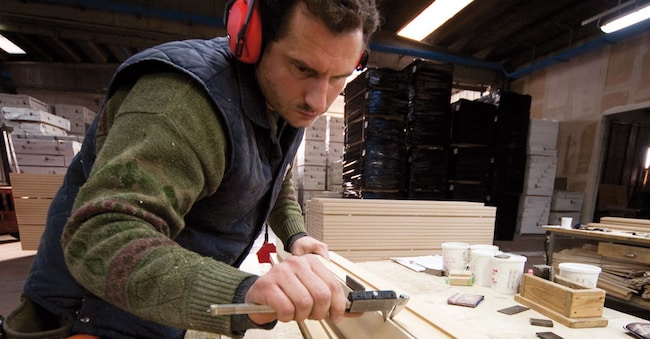
The flagship of Made in Italy production, the furniture sector stands out internationally for its design content, the excellence of its materials and its workmanship, including craftsmanship, elements that are highly appreciated by consumers all over the world, particularly in the medium-high segments of the market. According to Sace's calculations, the sector (which includes various production phases, from the initial processing of wood to the manufacture of furniture) generated a turnover of approximately €44 billion in 2023 and exports will weigh in at €13.8 billion on total revenues in 2025, substantially stable compared to the previous year. Of this, EUR 11.2 billion concerns foreign sales of furniture in the narrow sense (-1.2%).
The positive export performance of important segments - such as furniture parts and accessories (+4.2%), wood and wood products (+3.5%), home furnishings (+0.7%) and armchairs and sofas (+1.4%) - only partly offset the declines in other sectors, such as outdoor furniture (-7.6%), chairs (-2.1%) and kitchen furniture (-5%).
Market trends
In terms of outlet markets, the trend was particularly affected by declines in France (-1.8%) and the United States (-5.3%), respectively the first and second largest markets for Italian furniture, with approximately 30% of the total exported: French demand was weighed down by declines in armchairs and sofas and other furniture (including outdoor furniture); US demand, penalised by the complex trade context caused by the increase in tariffs, saw lower sales of home furnishings, furniture parts and accessories and other furniture (including outdoor furniture).
On the other hand, important trade partners such as Germany (+2%) and the United Kingdom (+3.6%) recorded good growth, supported especially by furniture parts and accessories, a very important segment for the sector's exports in both countries. Exports to Spain (+1.5%) and the United Arab Emirates (+3.2%) also performed positively, thanks to the significant urbanisation underway, while those to Switzerland (-4.3%) and China (-6.4%) contracted, where there is still a slowdown in investments following the crisis in the real estate sector.
Testifying to the appreciation in the world of Italia furniture, very favourable dynamics were also reported from less-presidized markets, above all Turkey (+36.9%) and Morocco (+53.5%) - where increases were spread to all sectors - and Brazil (+5.4%), on the major sales of furniture parts and accessories and wood and wood products. The diversification of destination markets is confirmed as the key element for companies in the sector to continue to grow internationally, focusing on high quality products and sophisticated design.

