
Italian auctions in the first half of 2026: brisk but selective trading
The market has risen by 8.3 per cent, driven by 11 brands that have seen growth. In-house production is steering the focus towards high-quality offerings


The first half of 2026 ended on a positive note for the art auction market in Italia. Taking into account the 18 auction houses included in Arteconomy’s regular half-yearly report, total turnover reached €181.8 million, marking an increase of 8.3 per cent compared with the €167.8 million recorded in the same period of 2025. This result paints a picture with more light than shade, in which buoyant demand is accompanied by growing selectivity on the part of collectors, who are increasingly drawn to works of high quality, with solid provenance and estimates in line with the market.
A breakdown of individual performers shows that 11 auction houses recorded positive results, five of which posted double-digit growth. In descending order, Sotheby’s stands out, leading the rankings with its modern and contemporary art sector at €11 million and the top lot of the entire half-year, a ‘Concetto Spaziale’ by Lucio Fontana; Studio d’Arte Borromeo, Pandolfini and Cambi, which has overtaken Meeting Art in the rankings. Pandolfini, in particular, recorded overall growth of 15.9 per cent compared with 2025, with a turnover of more than 20 million. Il Ponte Casa d’Aste, thanks in part to its integration into the Millon Auction Group, closed the half-year with €18.1 million, 78 auctions held and a sell-through rate by value of 83 per cent. Bertolami Fine Art, on the other hand, recorded moderate growth, rising from 7.76 to 7.9 million euros.
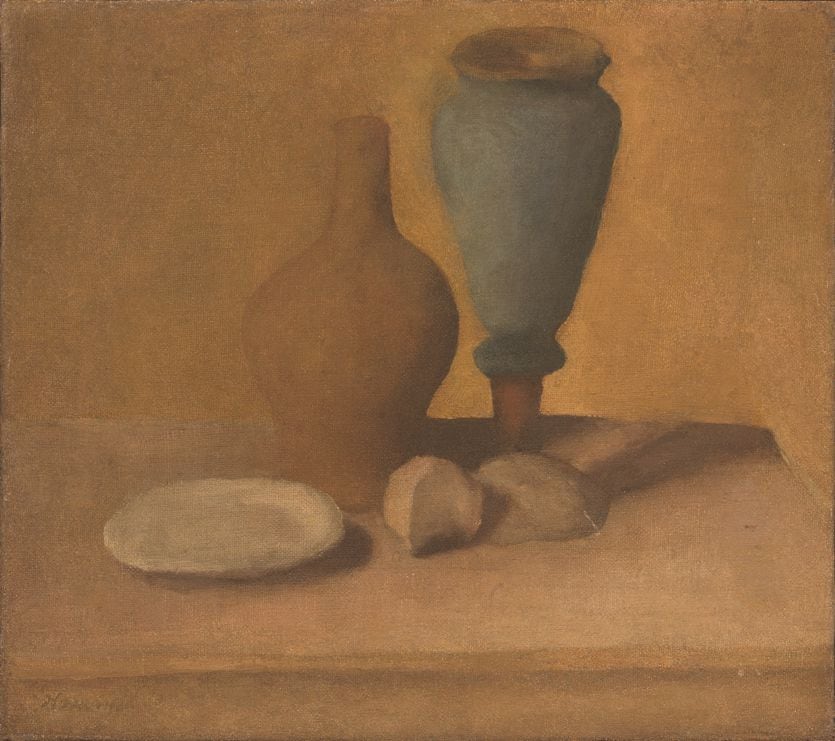
On the other hand, seven auction houses recorded a decline, some of them significant. Farsettiarte, despite having sold the second most expensive lot of the half-year – a Morandi for 1.7 million – saw a fall of 29.5 per cent. Next came Maison Bibelot (-13.6%) and Capitolium Art (-11.2%), which saw its turnover fall by around one million euros, from 9.5 to 8.4 million, as a result of a strategic decision to reduce the number of lots in order to focus on quality. Despite the difficulties faced by some auction houses, the sell-through rate per lot was above 80% in four cases and in nine in terms of value, reflecting a market which, whilst selective, remains solid.
Nine auction houses increased the number of lots on offer (Pandolfini, Gruppo Finarte, Il Ponte, Sotheby’s, Capitolium Art, Farsetti, Studio Borromeo, Blindarte and Maison Bibelot), five have maintained the same number, and two (Meeting Art and Pananti) have reduced them significantly. Against this backdrop, the proportion of foreign buyers has grown exponentially: “more than half of the active collectors in Italia come from abroad,” observed Claudia Dwek of Sotheby’s, “confirming the important role that the Italian art market continues to play”. Farsettiarte reported that 30 per cent of its buyers are foreign, with a particularly significant presence from France, Spain and the United States, whilst for Capitolium Art and Bertolami, the internationalisation of their clientele has been crucial to the success of departments such as antiques and numismatics.
Sectors in flux
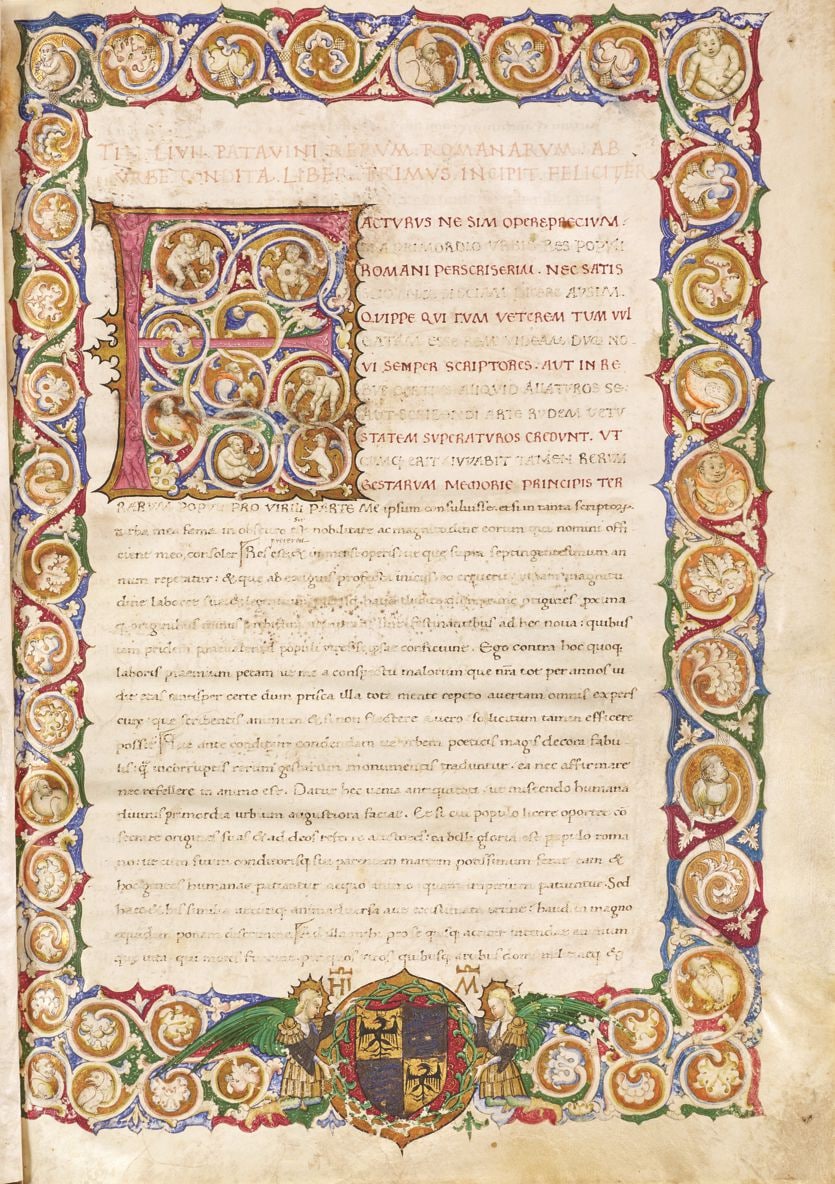
The most striking figure for the half-year is the sharp reversal in trends between two of the market’s most important sectors. Modern and contemporary art remains the main driving force, but the real surprise is the resurgence of the Antique sector. Pandolfini recorded a 69 per cent increase in sales of antique paintings, which, at over €4.4 million, have become the leading department in terms of sales volume. Capitolium Art has undergone a veritable revolution: for the first time since 2008, the ancient art sector has taken second place in the internal rankings by turnover, overtaking design, and five of the top ten sales of the half-year were generated by auctions in this sector. Bertolami Fine Art also confirms the strength of this segment, where old master paintings lead the company’s rankings, followed, somewhat surprisingly, by numismatics, which, with eight world records, has risen to second place.

