
Italian organic honey lands in 800 McDonald's Italia restaurants
Initiative promoted by the Qualivita Foundation, the Federation of Italian Beekeepers and McDonald's Italy. 2 million sachets will be marketed

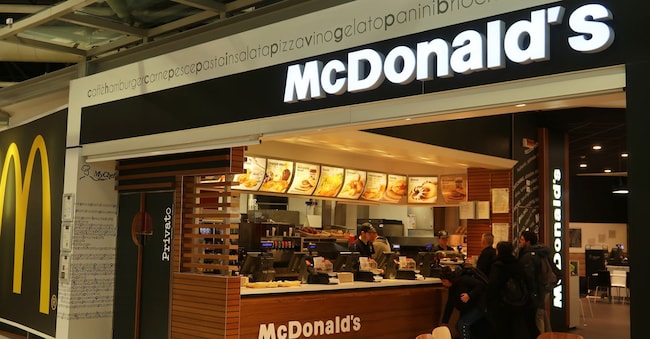
Italian organic honey lands in the 800 McDonald's restaurants in Italy. The agreement by which the US multinational has undertaken to buy 8 tonnes of acacia honey from Italian organic producers was presented this morning in Rome at the Ministry of Agriculture and Food Sovereignty.
After having valorised various Italian PDO products from Grana Padano to Parmigiano Reggiano, from Asiago to Speck Alto Adige, from Balsamic Vinegar to Trentino apples, now the famous US brand also opens up to organic products and does so with another product of excellence: organic honey made in Italy.
The project involves the purchase and distribution by McDonald's of 2 million sachets of organic Italian acacia honey over the next 12 months to support the beekeeping supply chain. This action will be reinforced by a communication campaign involving McDonald's restaurants, social channels and the main national media, with the aim of spreading awareness about the value of organic Italian honey and the role of bees in our ecosystem.
The initiative is part of the path started with the Qualivita Foundation to support Italian agri-food chains in difficulty. A commitment that has seen as its first steps the agreement with the Pachino IGP Tomato chain and the support to the Consortium for the Protection of the Emilia-Romagna IGP Pear, and that today continues with the promotion of Italian organic honey.
'Small Italian supply chains,' commented the director general of the Qualivita Foundation. Mauro Rosati - need to be valorised, especially when they choose to engage in regulated certification paths such as organic, which is a concrete sign of responsibility. And if the chain to be supported is that of bees, the benefit is double, because pollinators indirectly support a large part of Italian agriculture, including the production base of many PDO and PGI foods' .


