Contemporary Jaipur: the pink city as told by its young maharaja
Contemporary art spaces, ancient polo clubs and gastronomic excellence. His Highness Sawai Padmanabh Singh unveils the capital of Rajasthan.

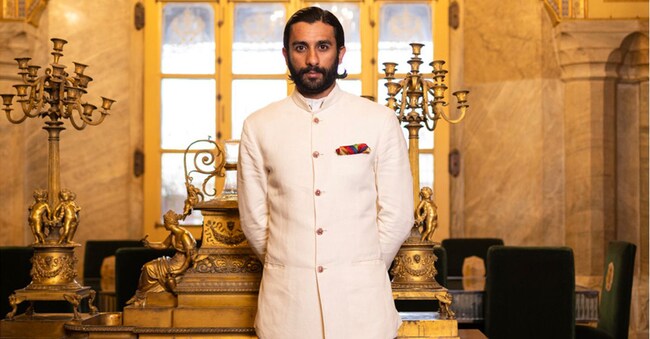
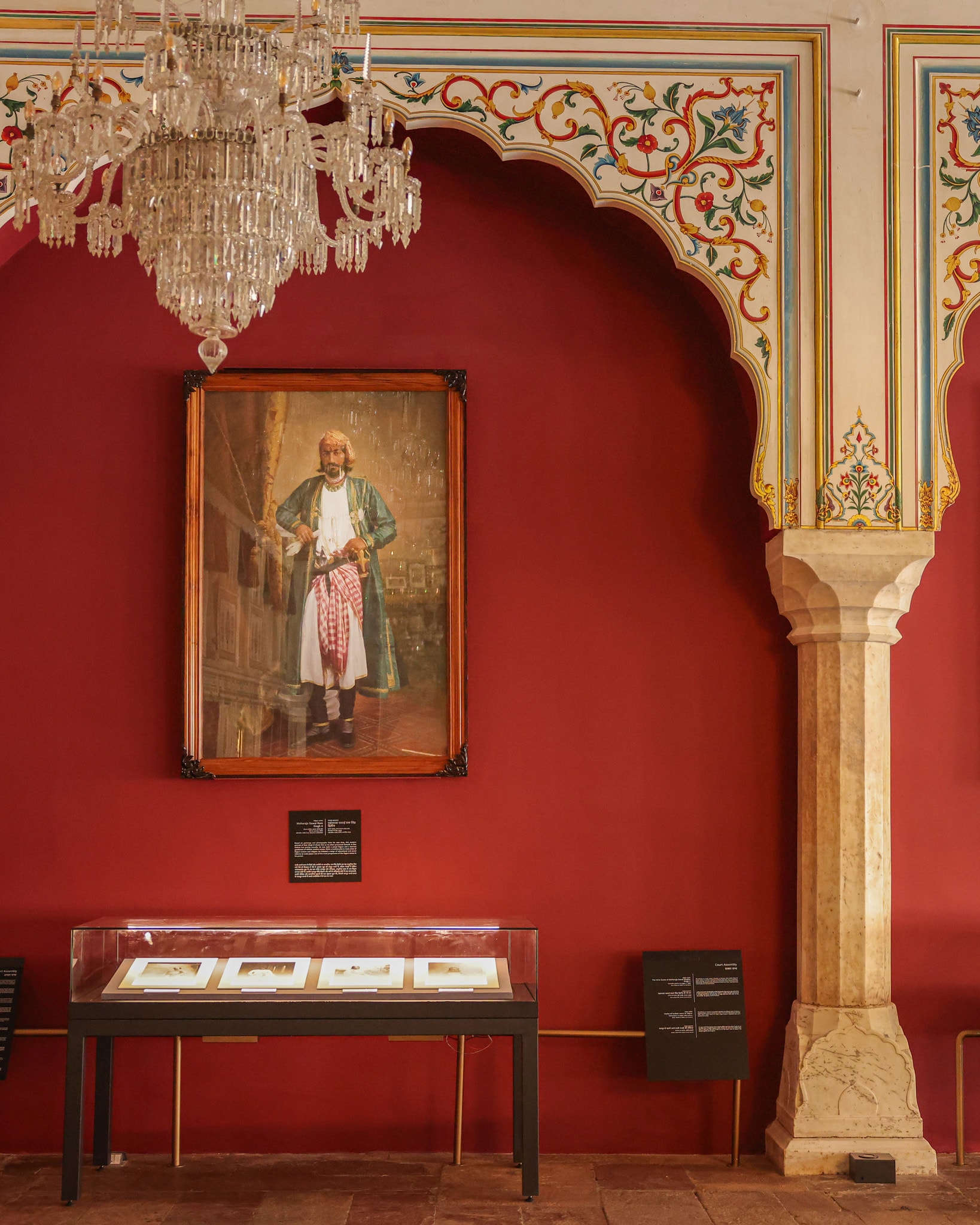
My Jaipur has always attracted artists, designers and thinkers: it is part of the city's DNA. What I find really exciting today is the way this energy has evolved: I see architects and creative people from all over the world coming together to reinterpret our heritage in new ways. The city is developing a renewed creative and visual code, rooted in tradition, but also capable of speaking the language of contemporary design. It is incredible to witness all this in real time, right before my eyes. Part of this evolution has been organic, but much has also been fostered by initiatives I have personally led, such as the revitalisation of the City Palace Museum, the Jaipur Centre for Art, the Jaigarh Heritage Festival and The Palace Atelier.
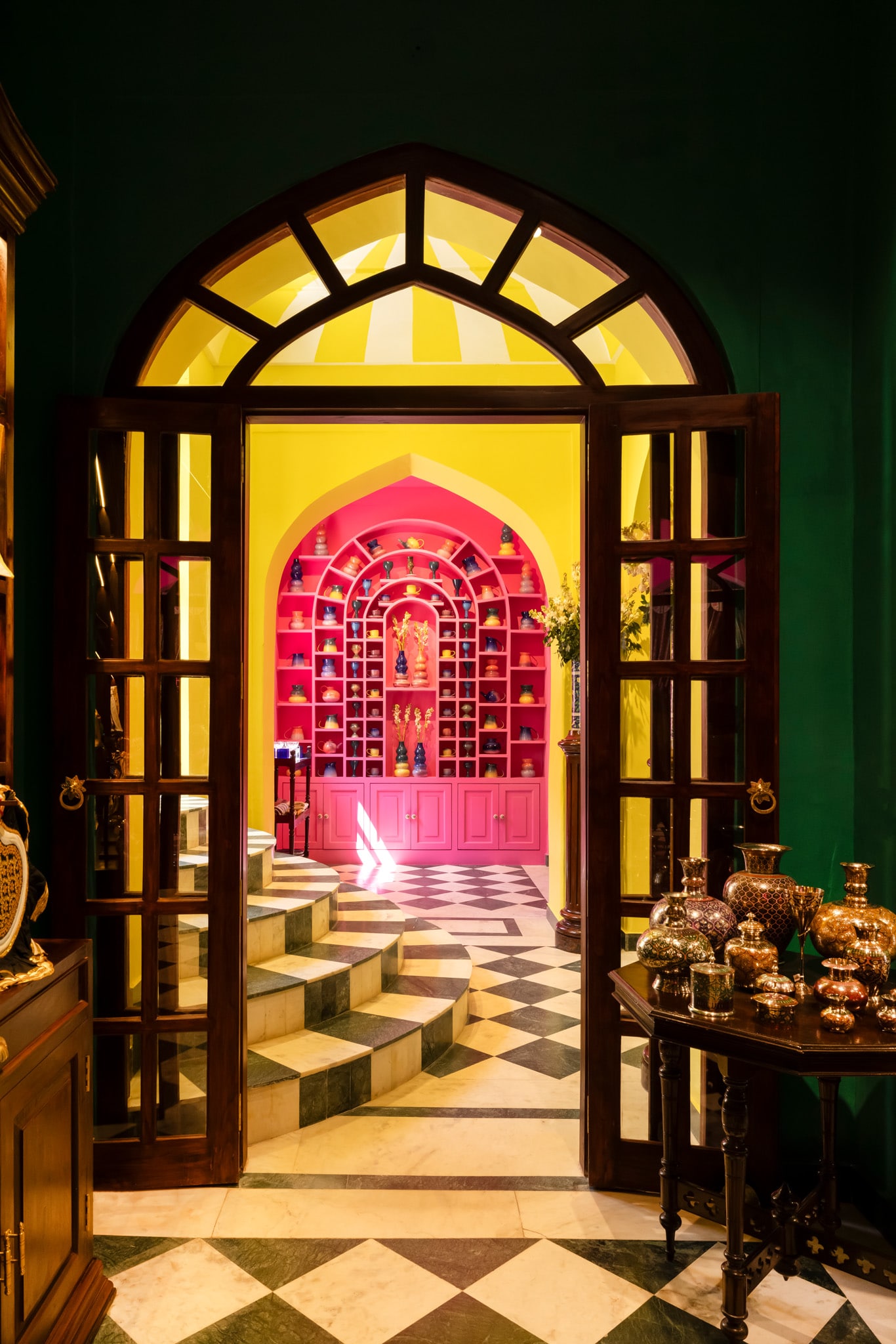
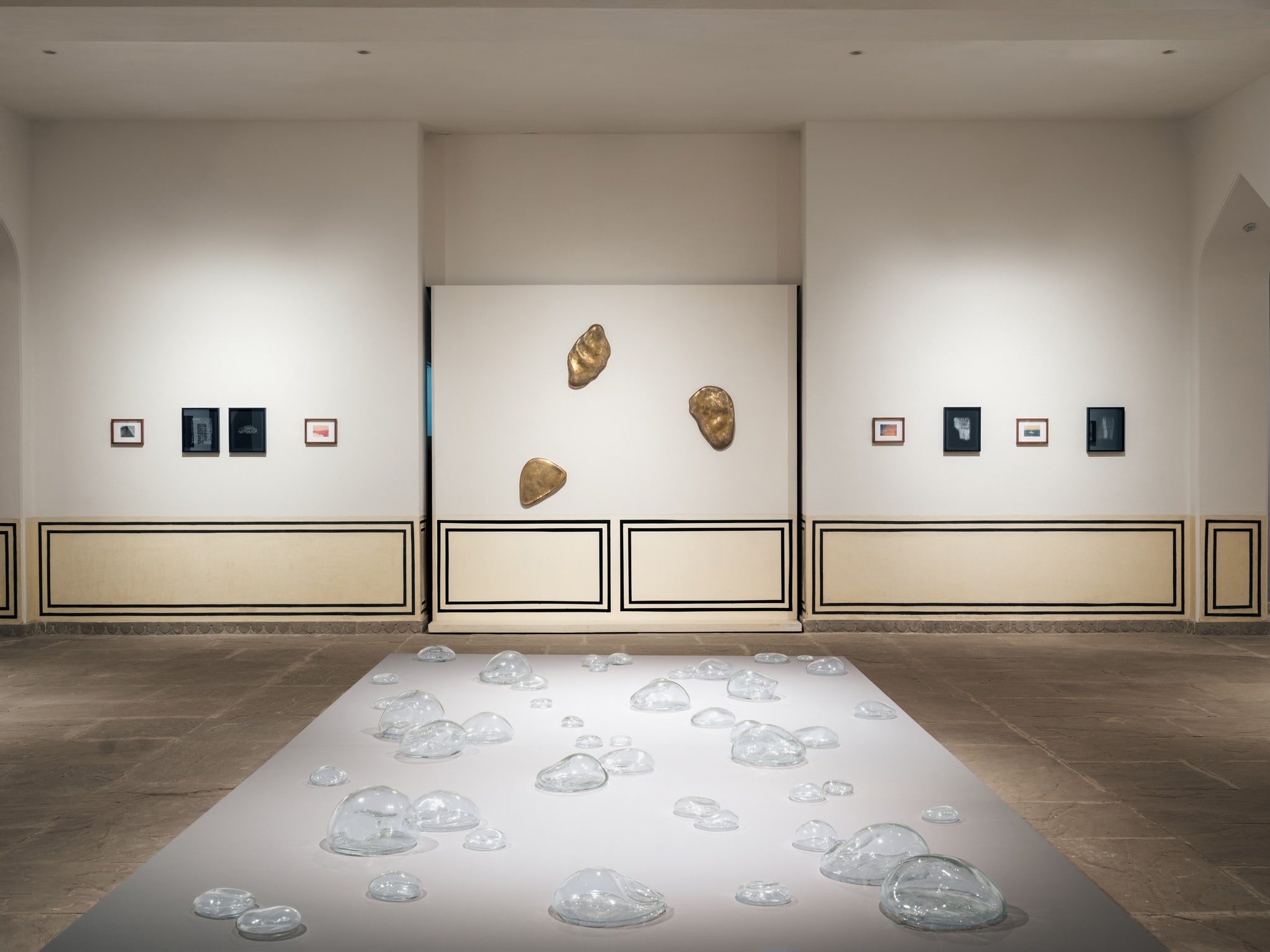
All together, these projects aim to position Jaipur as a global cultural hub where historical heritage and modernity are not at odds, but complement each other. The Jaipur Centre for Art, in particular, is an institution I co-founded with Noelle Kadar: it is one of the most inspiring spaces in the city, in my opinion. We wanted to create a place where visitors, while exploring an almost 300-year-old palace, could come into contact with the works of some of the most important artists of our time.
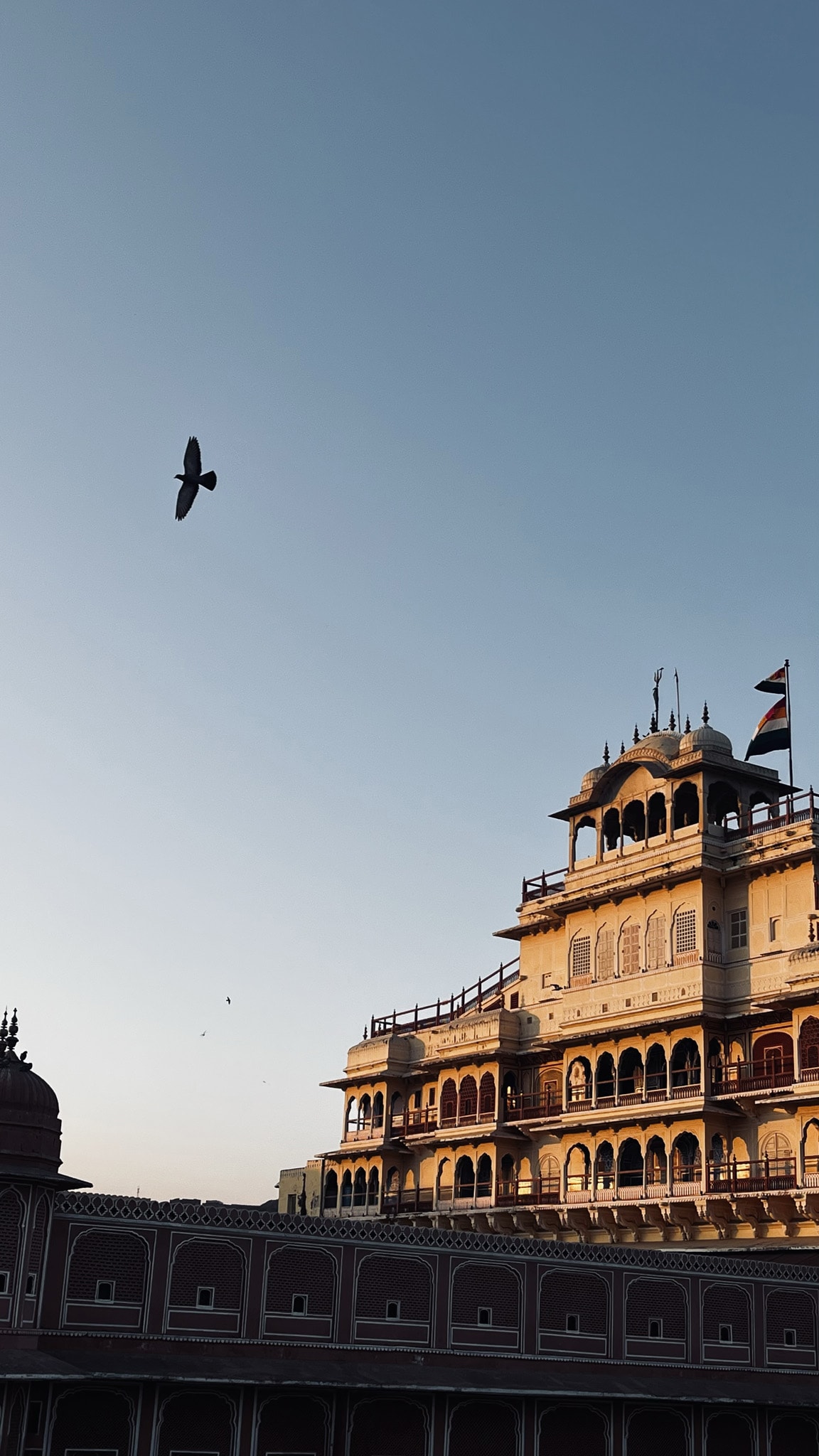
The challenge - and the beauty - lies in this contrast. Many of our visitors are approaching contemporary art for the first time, and the JCA becomes their gateway to this new expressive universe: the aim is to foster understanding and dialogue, allowing heritage to become a lens through which modern creative production acquires new meanings.
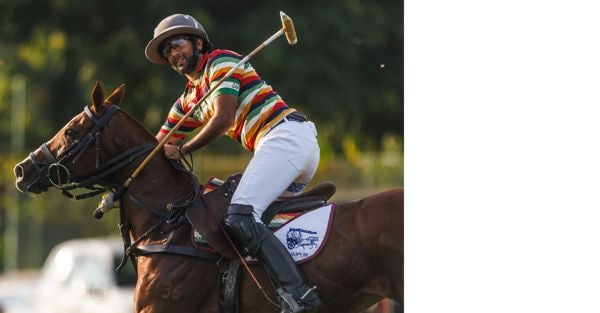
In recent years, the Rajasthan Polo Club and the Jaipur Polo Team - whose growth I have promoted - have become some of the major players in the national polo debate: they are committed to involving more and more people in the sport, both as players and spectators. This is also happening thanks to the Polo Palladio club, with a restaurant and bar designed by the queen of the city's most luxurious and iconic revivals, Marie-Anne Oudejans, former creator of Bar Palladio and the Villa Palladio Hotel together with Swiss-Italian entrepreneur Barbara Miolini. Personally, I have been surrounded by horses and polo for as long as I can remember: my great-grandfather played a key role in the founding of the sport in Jaipur, and since then the different generations of my family have carried on this legacy. For me, polo represents discipline, resilience and a sense of community. It is not only about skill on the field, but also about the values and habits it forms off the field: respect, concentration and the teamwork it requires. More than anything else, I appreciate the way the sport unites people from all over the world around a shared love of tradition, precision and the beauty of the game.
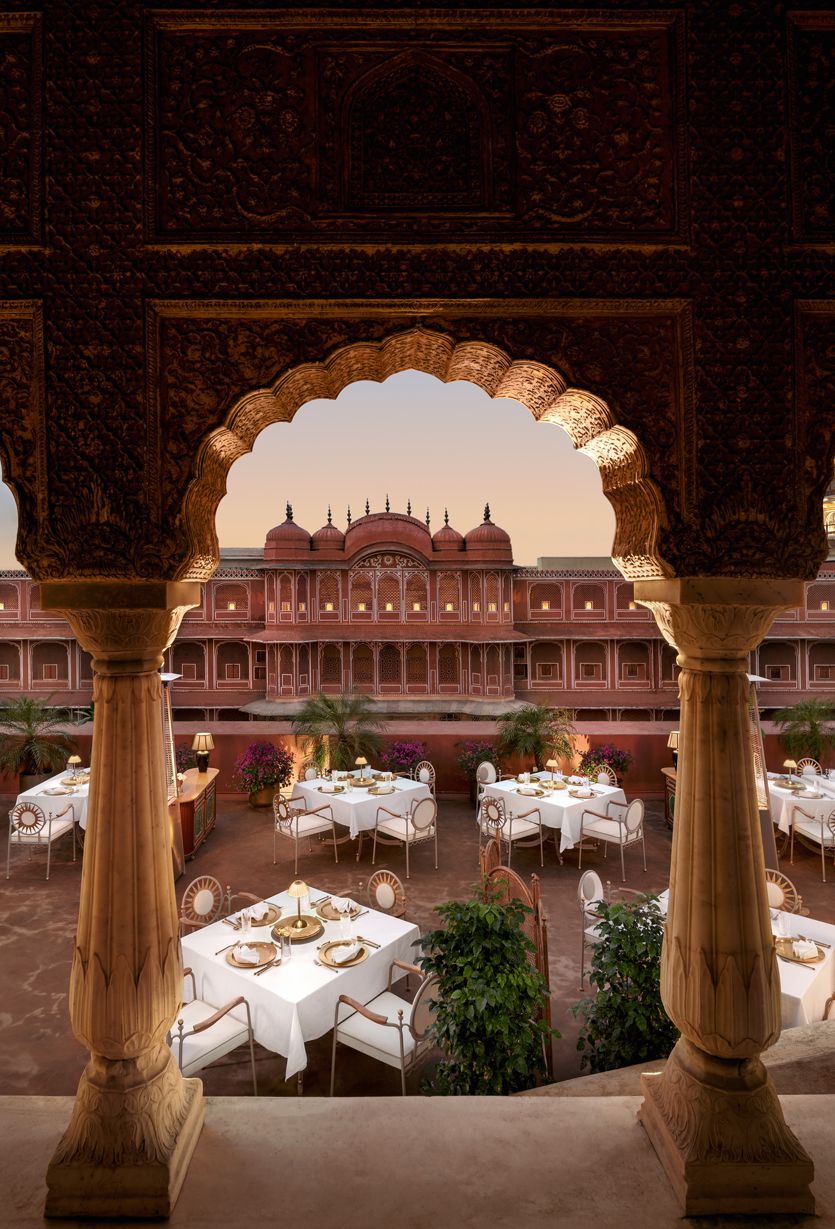
In common, the initiatives I pursue in the city have the fact that they are deeply rooted in Jaipur's origins. From The Sarvato restaurant to the Rajmahal Palace hotel, everything keeps the city's history at the core. For example, at The Sarvato our team travels all over Rajasthan to study its gastronomic culture in depth, which we then reinterpret in a tasting menu that honours traditions while pushing creative boundaries. This is how I understand sustainability: basing innovation firmly on authenticity.