
Jakarta is the largest city in the world: 42 million inhabitants
Overtaking both Dhaka, Bangladesh (37 million) and Tokyo, Japan (33 million)
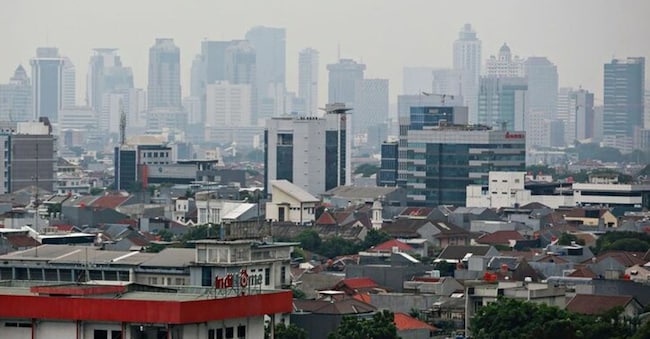
According to the latest United Nations report on urbanisation, the Indonesian capital Jakarta has become the largest city in the world, with 42 million inhabitants. It overtook both Dhaka, Bangladesh (37 million) and Tokyo, Japan (33 million).
The city has seen a population surge since the previous UN ranking, which dates back to 2018. That year, Tokyo still ranked first in terms of population, while Jakarta was 33rd.
2% annual growth since 2000
According to the UN report 'World Urbanisation Prospects 2025', published on 18 November, Jakarta has experienced an average population growth of almost two per cent since 2000. The beating heart of Indonesia accounts for almost one fifth of the entire country's GDP.
Much of its economy is made up of service and manufacturing sectors, including banking, trade, finance, as well as the production of electronics, automotive, chemicals, mechanical components and biomedicine. The city's economy has been booming for some time.
Flood risk
But there are still many problems that threaten to destroy Jakarta in the long run. Firstly, it has an average altitude of only 11 metres above sea level, the Java Sea, and every year it is hit by a torrential rainy season that floods large areas of the city and threatens the health of its residents. Thus, the north of Jakarta, the side facing the sea, is particularly prone to frequent flooding. In addition, parts of the city are sinking at a rate of up to 30 centimetres per year. Added to this is the pollution and the traffic problem.

