James Dyson Award 2026: two inventions that detect invisible hazards have been recognised
From concrete that detects structural damage to head-mounted displays that help identify concussions: here are the two global winners of the international innovation award

A building may appear undamaged after an earthquake whilst harbouring structural damage. An athlete may get back on their feet after a blow to the head without showing any immediately obvious symptoms. Two very different situations, yet both share the same problem: recognising an unseen danger in time. This is the challenge tackled by the two winning projects of the 2026 James Dyson Award, the international prize that each year recognises inventions capable of solving real-world problems through innovative engineering solutions.
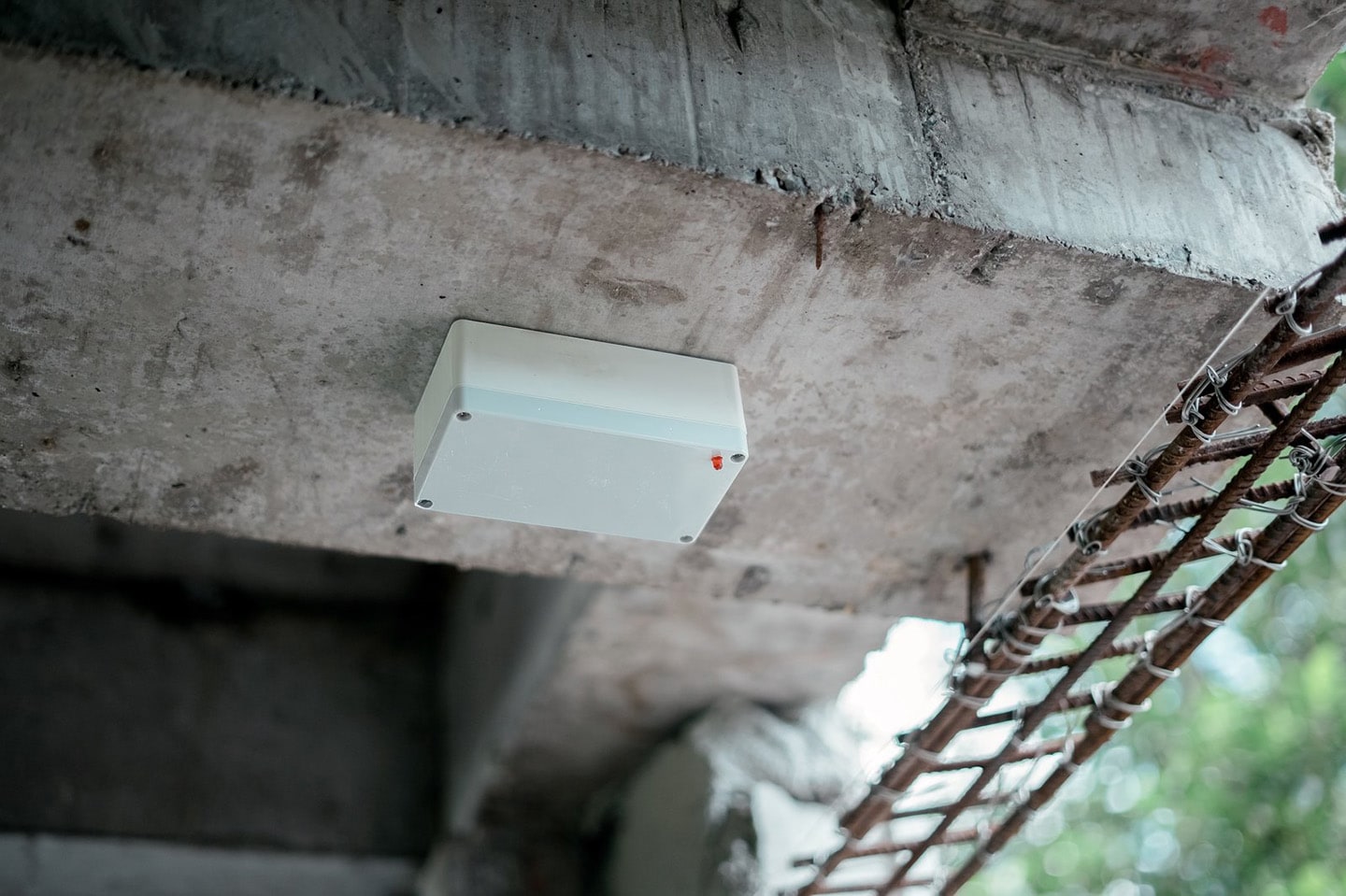
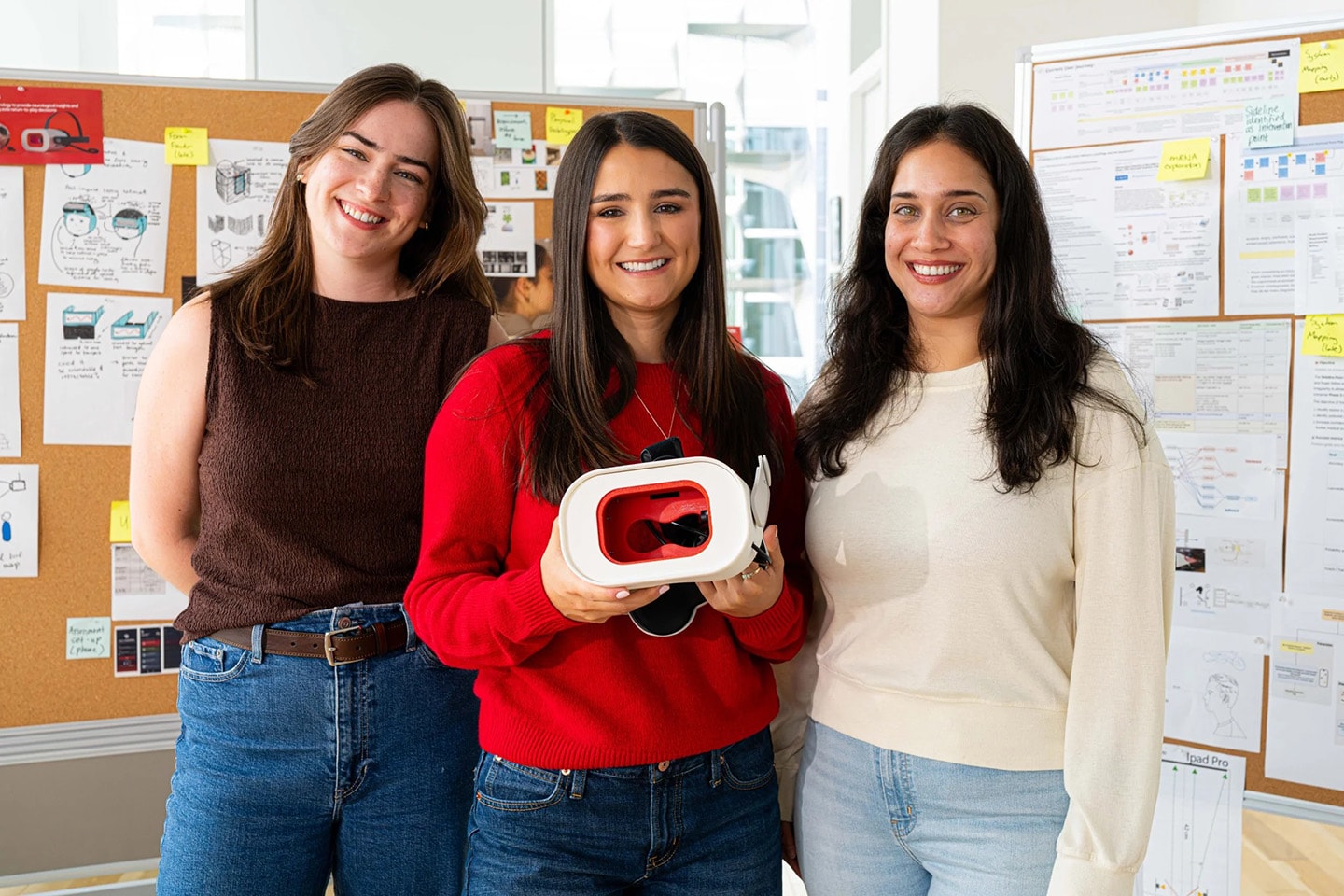
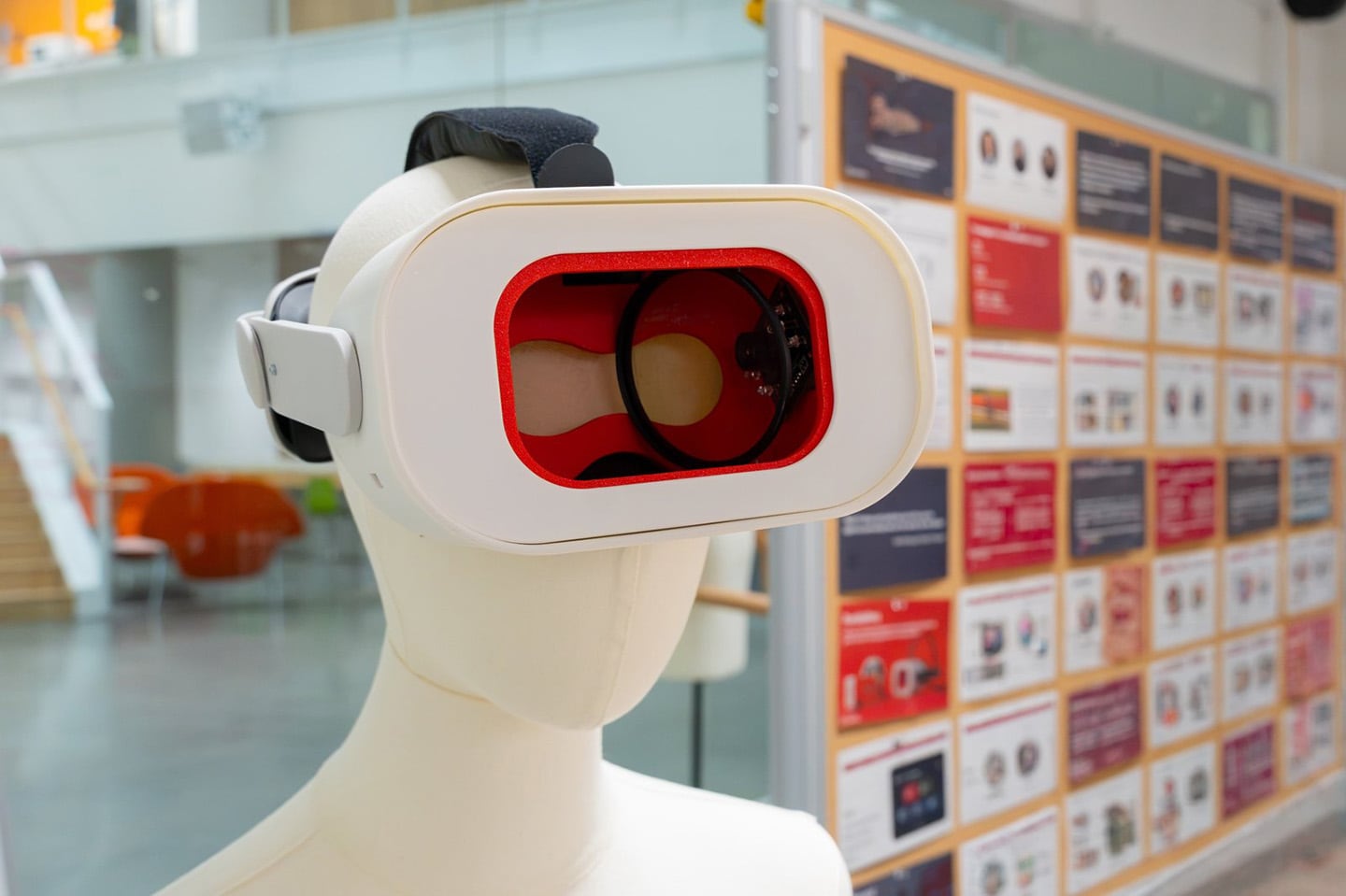
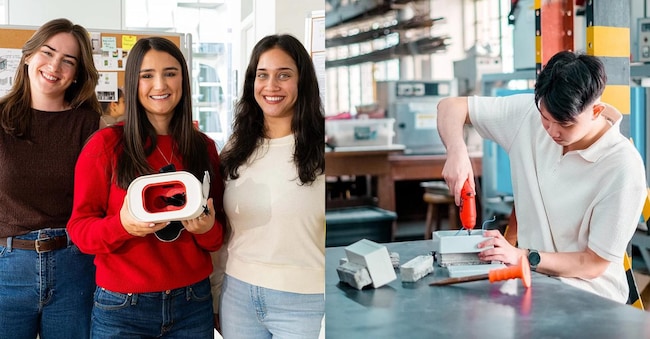
This year, the competition received 2,294 entries from 28 countries and regions – the highest number in its history. The two global awards were won by Sentinel, a system that transforms a component of reinforced concrete into a sensor to detect structural damage, and RumbleRims, a headset that analyses eye movements to identify possible signs of concussion in athletes. The winners will each receive a prize of around 34,600 euros, intended to support the development of their respective inventions.
“This year’s global winners, Sentinel and RumbleRims, tackle serious threats to life and health with extraordinarily simple ideas. They could save lives,” commented Sir James Dyson, founder of the British company and initiator of the award, which was established 21 years ago.
For both winners, the James Dyson Award represents not only international recognition but also an opportunity to transform an engineering insight into a technology that can be used on a large scale. The prize money will enable the two teams to continue developing their prototypes and tackle one of the most complex challenges in innovation: moving from laboratory results to reliable, economically viable and accessible solutions.
Sentinel, the concrete sensor
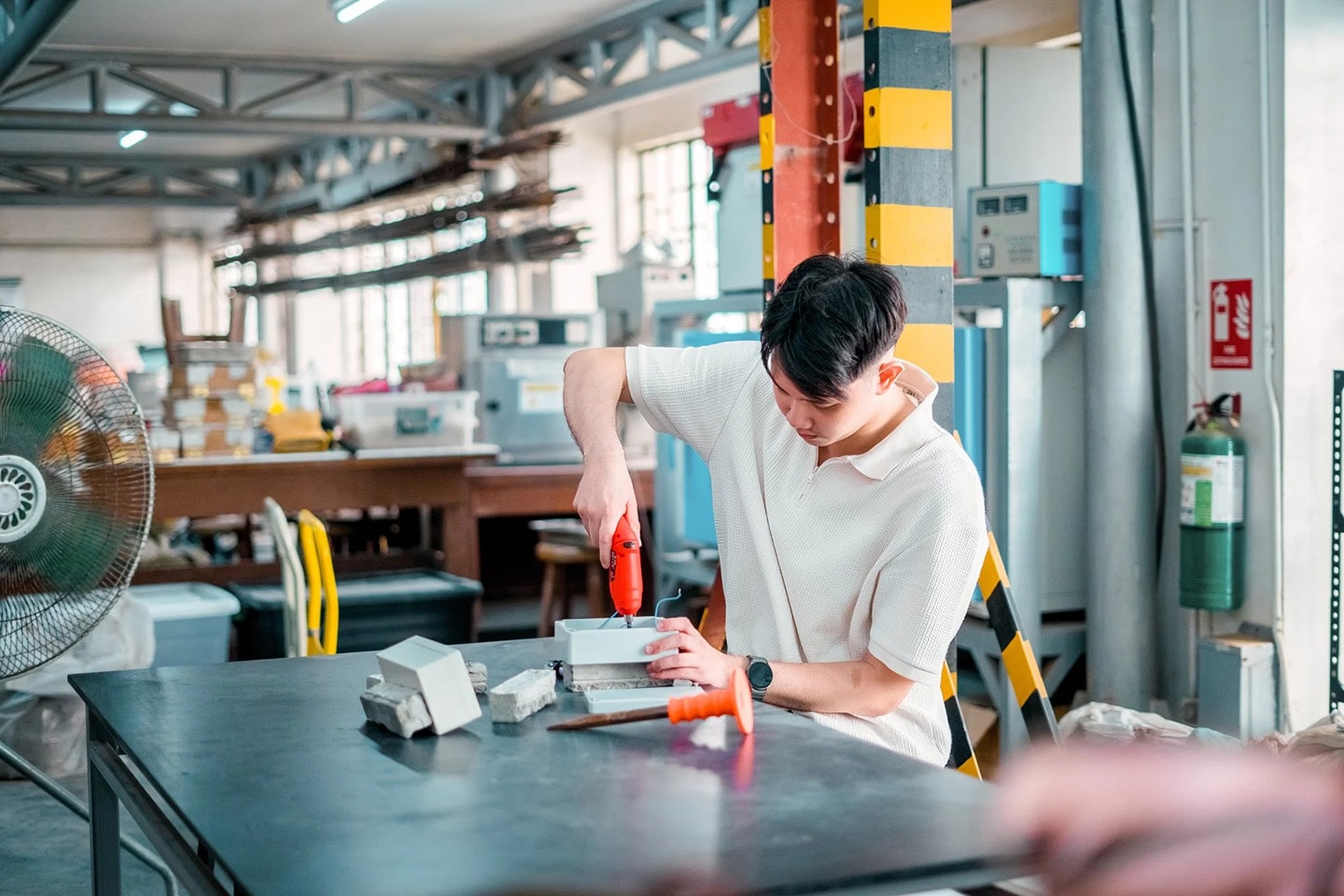
How can you tell if a building is still safe after an earthquake? Visible cracks do not always reveal the extent of the damage, and some of the most dangerous faults can develop inside reinforced concrete structures. This challenge gave rise to Sentinel, a project developed by Aldrei Ong, a structural engineer who graduated from De La Salle University in the Philippines and the global winner in the Sustainability category.