
Jannik Sinner number one in the world: the identikit of a champion
The strokes, the type of game, the mental toughness, the strength of the team: this is what makes Jannik the world number one

2' min read
2' min read
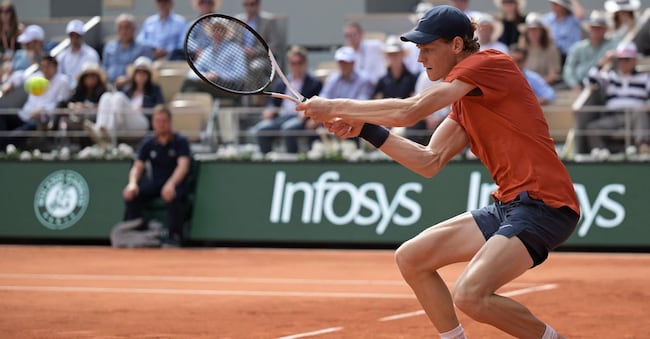
Favourite shot? The backhand. The one that gave him the most trouble? The serve, now quite safe, even in the second. The net game? Much improved, it used to be uncomfortable.
Variations? Few, often with the short forehand ball. He grinds from the back, angling as he pleases. Surface? He prefers fast, but adapts well to grass, on clay his progress is constant (he is in the semi-finals at Roland Garros against Carlos Alcaraz). The extra gear? The response, always aggressive, which also defuses excellent serves.
The sketch of Jannik Sinner may be more or less this, but even adding the fanning forehands (which he uses a lot), it is incomplete because it lacks his real plus, which differentiates him from others of his generation: mental strength, i.e. the ability to handle tense moments and to look for a way out when things go wrong.
A trait, this, in which the master of masters is Djokovic, but he is getting closer and closer to him. This was clearly seen last January in the final of the Australian Open against Medvedev, when he seemed doomed, two sets down, but slowly managed to turn the match around and impose his game. In a sport like tennis, when you are alone with yourself on the court and your opponent is looming on the other side, this skill makes all the difference.
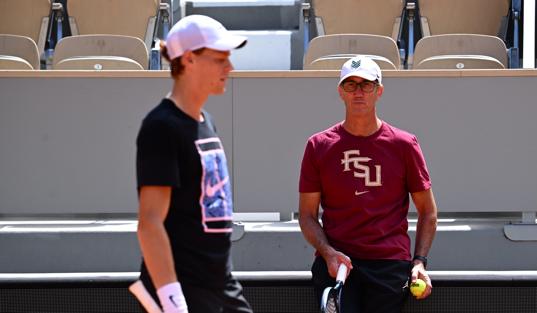
From Piatti to Vagnozzi-Cahill
.Like all tennis players, in every post-tournament victory speech Jannik thanks his team, and often speaks in the plural when mentioning steps forward, achievements and subsequent goals.


