Trade war

Tariffs, Trump extends truce with China for 90 days. About-turn on gold, there will be no tariffs

Major Japanese companies listed on the Tokyo Stock Exchange reported a 10.2 per cent drop in profits in the period from April to June compared to the same quarter in 2024

Aggiornato alle ore 10:45

3' min read

3' min read

Donald Trump extends the deadline for the tariffs truce with China by 90 days. This is reported by Cnbc citing White House sources according to which the president signed an executive order for the extension.

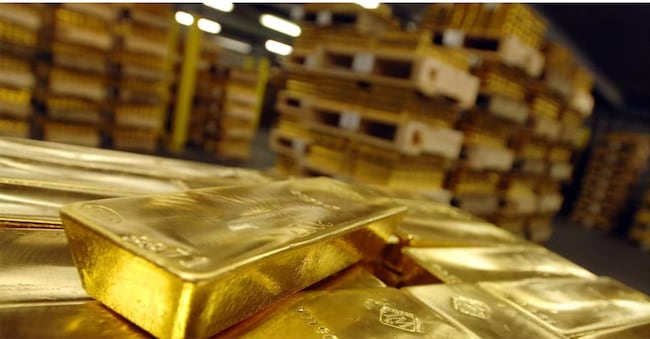
"There will be no tariffs on gold." This was said by Donald Trump on his social Truth after last week's confusion over the imposition of tariffs on bullion from Switzerland.

Loading...

Meanwhile, the expiry of the 'truce' agreed between the US and China is approaching after the escalation in the war of tariffs and counter-tariffs and in a context of continuing difficult relations. There are still no announcements of an extension. The last known bilateral, in Stockholm, between the two superpowers dates back to the end of July. There was optimism about a possible further extension. But to date there is nothing clear from Donald Trump, while the world awaits a meeting between the tycoon and Chinese leader Xi Jinping. In May, China and the US had agreed a 90-day truce to reduce the skyrocketing tariffs announced the previous month and suspend a number of other measures.

The truce expires on 12 August. No response to Cnbc's requests for comment from the office of the US Trade Representative and the foreign ministry in Beijing. Between the knots, there is technology, the battle for technological leadership.

On Truth in recent hours Trump put in black and white the hope that China could 'rapidly quadruple soya orders from the US,'. And he concluded the post with explicit thanks to Xi. The media of the other Asian giant, India, China's eternal rival, meanwhile, relaunched statements to Fox News yesterday by US Vice President JD Vance and pointed out that the tycoon had not yet decided whether to impose tariff measures on China for Russian oil purchases, after 'punishing' New Delhi for 'shopping'. The People's Republic dossier 'is a bit more complicated'.

EU: 'Working with US for best outcome on tariffs'

"The EU is focused on getting the maximum positive outcome from the talks with the US. A few weeks ago, we were facing tariffs of 30%. We managed to reduce it to a 15% ceiling (including clear commitments from the US on cars, pharmaceuticals and semiconductors). The work continues'. European Commission Trade Spokesman Olof Gill writes this on X. In Brussels, Washington's green light is still awaited for the joint declaration on the Turnberry pact on 27 July between Ursula von der Leyen and Donald Trump.

Japanese companies' profits fell

.

Japan's major companies listed on the Tokyo Stock Exchange posted a 10.2% decline in profits in the period between April and June compared to the same quarter in 2024. This was the first decline in three years, with the manufacturing sector particularly hard hit by the increase in US tariffs. This was revealed in a survey published by the brokerage firm Smbc Nikko Securities, which reported that the sector under review posted a 22.7% drop in net earnings, particularly car manufacturers with a 42.1% slump. The forecasts for the full fiscal year ending in March 2026 are also less than optimistic. According to the companies themselves, they are expected to close in the red; this would be the first time in six years.

China diversifies export strategy

The competitiveness of Chinese exports and growing economic ties with regions such as the Middle East and Africa are structural trends that are likely to persist, says Elke Speidel-Weiz, chief emerging markets economist at Dws.
Chinese products, particularly semiconductors, ships and cars, continue to attract eager buyers around the world, despite high US tariffs. While the US share of China's total exports has halved since 2018, emerging markets such as Vietnam and Thailand have become important destinations for Chinese goods, it said in a note. However, adding transshipment clauses to trade agreements could pose risks. Vietnam, a major re-export hub, has already come under US scrutiny, with new regulations targeting Chinese-origin components.

If other countries or trading blocs adopt similar measures, China's circumvention strategies could be hampered.

The 50% tax seen by Indian banks

.

Bloomberg News spoke with officials from five major Indian banks, who said they are assessing the financial implications of punitive taxes on their customers, particularly those in the export-dependent textile, gem and jewellery sectors. All spoke on the condition of anonymity, as the information is not public.

The move comes after Trump doubled tariffs on Indian-made products within a week; the additional tax will take effect on 27 August, bringing the cumulative tariff to 50%. Companies fear this will severely affect shipments to the US, making Indian exports prohibitively expensive.

Copyright reserved ©
Loading...

Brand connect

Loading...

Newsletter

Notizie e approfondimenti sugli avvenimenti politici, economici e finanziari.

Iscriviti