
Japan: debate begins on imposing a cap on the number of foreign nationals
At present, foreign residents account for 3.2 per cent of the population. Japan has been experiencing a sharp decline in the birth rate for years

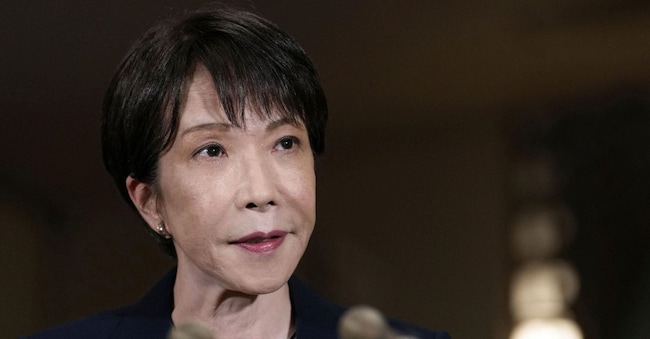
The Japanese government, led by the conservative Prime Minister Sanae Takaichi, is insisting on a policy of curbing migration flows in the name of safeguarding national identity and social cohesion. This was discussed in recent days during a panel chaired by Hiroshi Ohashi, a professor at the University of Tokyo, reports the newspaper Asahi Shimbun, with the aim of assessing the demographic and economic impact of the foreign population and preparing, by the end of the financial year, a framework policy that could, for the first time, include a cap – either numerical or percentage-based – on the immigrant population.
The initiative stems from an agreement within the coalition between the Liberal Democratic Party (LDP) and the Japan Innovation Party (Ishin), which had called for an ‘overall cap’ – a provision that was subsequently watered down in the final text, to a more vague ‘quantitative management’ to avoid internal tensions within the LDP. Minister Kimi Onoda, responsible for a ‘Society of Orderly and Harmonious Coexistence with Foreigners’, supports the stricter line, explains the progressive daily, in contrast to sections of her own party that are sensitive to pressure from businesses and rural areas affected by labour shortages.
According to the Ministry of the Interior, the number of foreign residents has risen to 3.9 million, accounting for 3.2 per cent of the population, whilst the Japanese population has fallen to 122.98 million, partly due to the long-standing decline in the birth rate. A projection for 2023 estimates that the proportion of foreign residents could reach 10 per cent by 2070, a threshold associated elsewhere with social tensions. Meanwhile, the Immigration Agency has introduced a major overhaul of the requirements for obtaining permanent residence. From 1 October, household income must exceed the Japanese average and pension projections must be equivalent to 30 years’ contributions, to prevent access to public benefits. The application fee for permanent residence will also rise twenty-fold, from 10,000 to 200,000 yen (1,100 euros). According to observers, the new rules risk deterring foreign workers in a country already grappling with an unprecedented demographic crisis and a chronic labour shortage. For the Takaichi government – which, during the LDP leadership race, had called for caution regarding immigration flows from cultures ‘too distant’ from Japan’s own – the priority, however, will remain preserving social balance and national identity in the face of an ever-growing foreign presence.

