
Japan, election triumph for PM Takaichi
With counting still in progress, the ultraconservative leader's Liberal Democratic Party already has a majority in the lower house

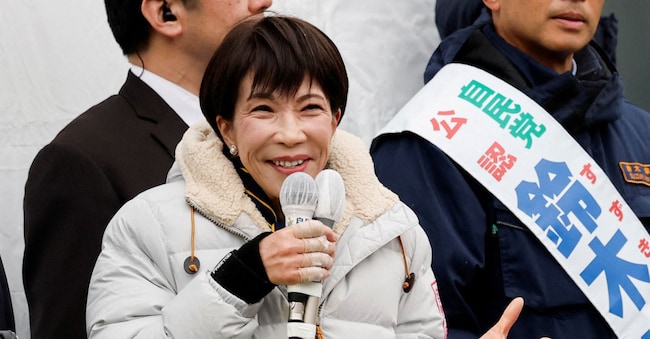
From our correspondent
NEW DELHI - The counting is not yet over, but Japanese Prime Minister Sanae Takaichi's Liberal Democratic Party (LDP) has already won more than half of the seats up for grabs in the elections for the lower house of parliament, in a personal triumph for the Asian country's first female head of government. According to estimates, the ultraconservative leader's party could win up to 328 seats, many more than the 233 that allow it to control the more influential of the two branches into which the National Diet is divided. The governing coalition with Nippon Ishin no Kai, another conservative line-up, could go as high as 366 seats out of 465.
A winning move
Takaichi had called early elections with the aim of consolidating a parliamentary team that had been heavily reduced by the 2024 vote, which was also early. The leader of the LDP seems destined to have carte blanche to pursue a political agenda characterised by ambitious investments in strategic sectors and in Defence, coupled with tax cuts to meet the needs of a population struggling, after years, with inflation.
A clear victory like Sunday's is a enormous personal success for Takaichi, who won the leadership of the LP last autumn, thanks to an agenda strongly characterised in a conservative sense, in clear discontinuity with his two predecessors who had tried, without luck, to move the party to more liberal positions. In little more than three months, the premier has not only managed to revive relations with the United States (and spark a crisis with China), but also to revive a party that was losing support among young conservatives, many of whom had preferred to vote for Sanseito's right-wing populists last July.
The promise of cuts
Takaichi approached Sunday's vote from the height of a high approval rating, fairly typical of someone who has been in government for only a few months, but which he was able to boost by promising a two-year cut to an 8% tax on food consumption. The proposal was welcomed by the most vulnerable strata of the population and with nervousness by the financial markets, which, fearing a further increase in public debt, saw a flight from the yen and a surge in yields on government bonds.


