
Japan: interest rates rise to 1%, the highest they have been in over 30 years
from our correspondent Marco Masciaga
Key points
- The impact of the US-Iran war
NEW DELHI - In a widely anticipated move, the Bank of Japan (BoJ) raised interest rates on Tuesday to their highest level since 1995 and signalled a further step towards normalising its monetary policy in the future.
The BoJ’s key interest rate rose by a quarter of a percentage point to 1 per cent. The vote on the rate hike ended with seven votes in favour and one against, with board member Toichiro Asada, a ‘dove’ appointed by Prime Minister Sanae Takaichi, casting the dissenting vote.
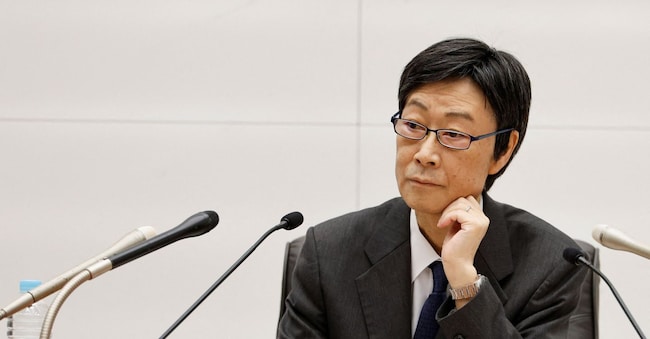
Governor Kazuo Ueda did not attend the board meeting, as he has been in hospital for several days. This is the first time since an emergency meeting in 2010 that the central bank’s board has met without the governor. Ueda did not vote, but he made his position known to the board members.
The impact of the US-Iran war
This is the first rate rise since last December and brings the Bank of Japan into line with other central banks that are adopting a more restrictive monetary policy to combat inflation caused by the war in the Middle East.
“Compared with the previous meeting,” explained Deputy Governor Shinichi Uchida – the risk of a sharp deterioration in the economy has diminished. On the contrary, price rises are spreading to an increasing number of goods and services.”


