Berlinale

"Josephine', processing of childhood trauma in a film of great intensity

Among the latest features in competition at the Berlinale is Beth de Araujo's second feature

by Andrea Chimento

3' min read

Translated by AI
Versione italiana

3' min read

Translated by AI
Versione italiana


Loading...

From the Sundance triumph to the Berlinale competition: among the best films presented in the German competition is 'Josephine', the second feature by American Beth de Araujo, which won the Dramatic Grand Jury Prize and the Audience Dramatic Award at the prestigious US kermesse.

For these reasons, the film arrived in Berlin with high expectations and did not disappoint, certainly being one of the most valuable titles among those in the running for the Golden Bear.
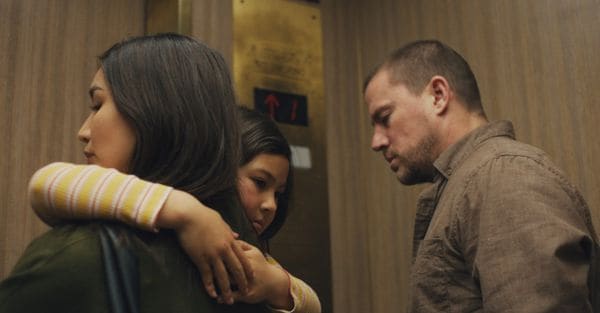
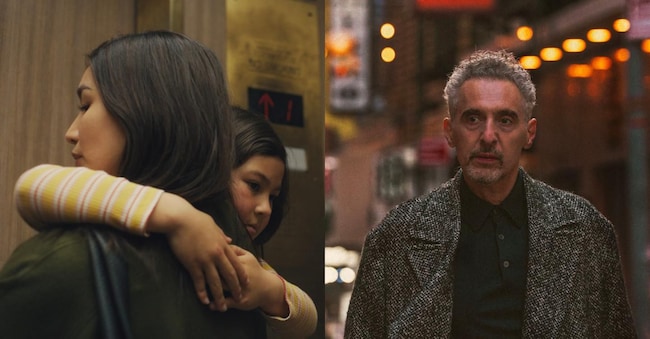
Josephine

The film opens with a sequence destined to be long remembered at the end of the viewing experience: an eight-year-old girl who, while running through the woods to play football with her father, witnesses the chilling scene of a woman being raped before her eyes. Her father, who had stepped away for a few moments, chases the assailant without managing to catch up with him, while Josephine tries to make sense of what she has witnessed.
When the child discovers the meaning of the word 'rape', the world will immediately seem a more dangerous and disturbing place to her. Processing that trauma will be the biggest challenge for her and her parents.

Opened by a sequence in which we immediately take the point of view of the little protagonist, the film puts itself at the height of a child to make us feel all the horror of facing an experience like the one Josephine went through.


Strong emotions


However, it is not only the opening, but the entire feature film that offers such a delicate perspective, which can really engage us and ask questions about how we might behave if we were in the parents' place, or if we had experienced something similar to little Josephine.

Beth de Araujo succeeds in treating such strong and brutal themes with an intimate touch and rich sensitivity, also getting excellent performances from the entire cast - the parents are Channing Tatum and Gemma Chan -.

There are some stylistic and narrative choices that seem slightly forced, unfortunately, but the film nevertheless holds up and excites, culminating in a touching conclusion on the beach, in which the roles between father and daughter suddenly seem to reverse.

After wins at Sundance, the film deserves recognition from the Berlin Film Festival as well.


The Only Living Pickpocket In New York


Much lighter tones are to be found in Noah Segan's 'The Only Living Pickpocket In New York' starring John Turturro.

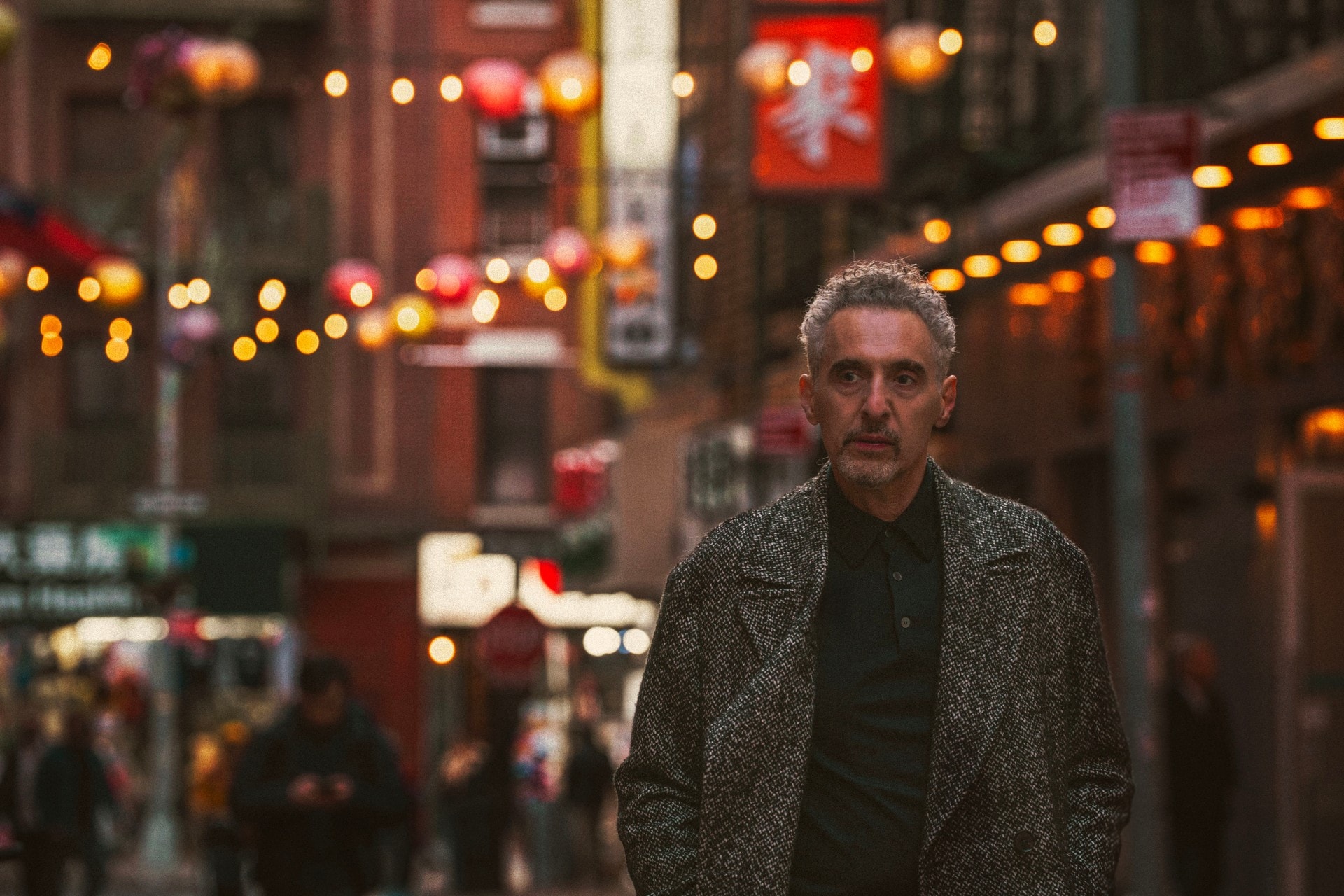
The American actor plays Harry, a New York City pickpocket now approaching his seventies. However, the city has changed a great deal since his best days, and for a man who is still purely analogue like him, witnessing this universal transition to digital has certainly not been easy. When he unwittingly steals a valuable USB stick, he finds himself in a race against time to return the loot or face the wrath of a crime family bent on revenge.

The Only Living Pickpocket In New York

Presented as part of the Berlinale Special section, it is a fairly lively and entertaining feature film, although there are no really noteworthy flourishes to report.

The short running time (88 minutes) helps, but the narrative ideas are not many and the film struggles to keep the pace necessary for a story like this for the entire duration.

Convincing, however, is the cast, in which, in addition to John Turturro, Steve Buscemi and Giancarlo Esposito stand out.

Copyright reserved ©

Brand connect

Loading...

Newsletter

Notizie e approfondimenti sugli avvenimenti politici, economici e finanziari.

Iscriviti