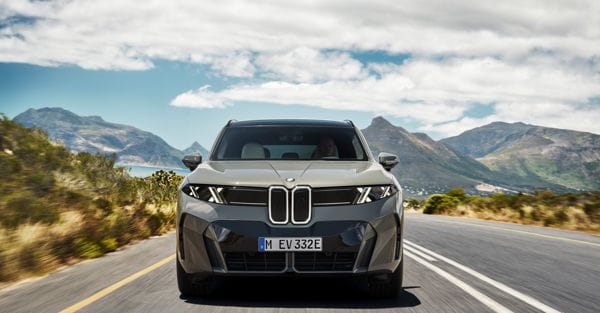
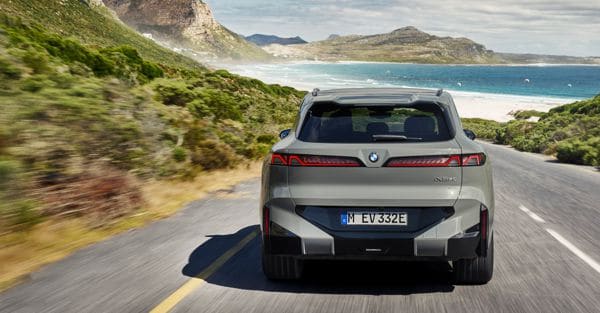
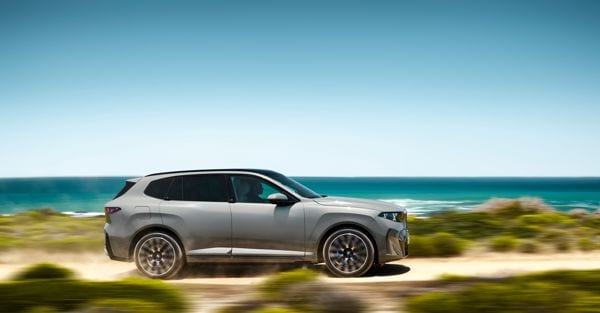
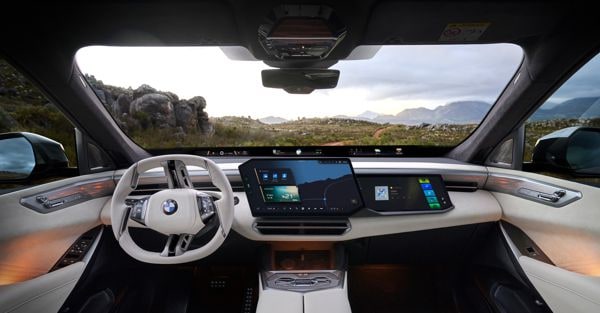
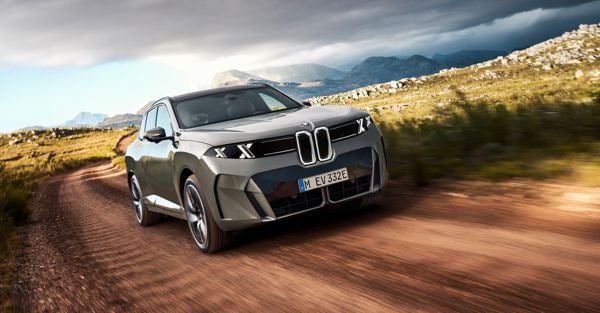
Just one SUV and a whole range of engines
Electric, hybrid, hydrogen, petrol or diesel: this is the new BMW X5, the first model in the Bavarian manufacturer’s history to feature five different powertrain systems.

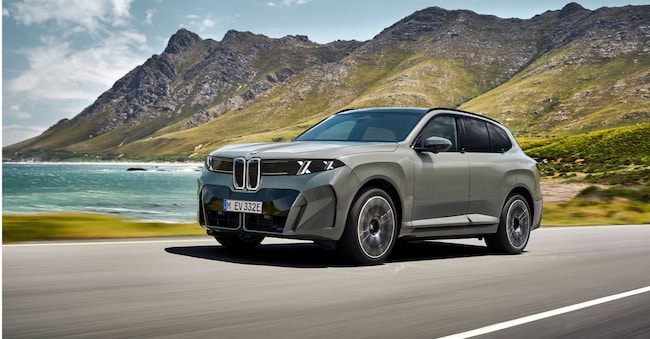
The fifth generation of the Bavarian SUV (which has been in the range since 1999 and is now one of the most important models for the Bavarian group’s finances) has completed the main phase of development testing and has gone into production at the Spartanburg plant, in South Carolina, where the X5 has been assembled since the very first series. The market launch of the petrol and diesel versions is scheduled for the end of November, whilst the all-electric and plug-in hybrid variants will follow in early 2027.
The most significant feature of this generation, at least in terms of the product strategy and market positioning, is the range of powertrains. For the first time in the brand’s history, a single BMW model will be available with five different powertrain technologies: a petrol engine with a 48-volt mild hybrid system, a diesel engine with a 48-volt mild hybrid system, two plug-in hybrid versions, a fully electric version and, coming in 2028, a hydrogen fuel cell version. This decision reflects the group’s strategy of not banking on a single technology, but of keeping multiple avenues open whilst the market – particularly the electric vehicle market – decides which direction to take.
Internal combustion versions
The variants due to be launched next are those with internal combustion engines. The BMW X5 40 xDrive is fitted with a 2,998 cc in-line six-cylinder petrol engine combined with a 48-volt mild hybrid system, delivering a total power output of 294 kW (400 cv) and torque of 580 Nm. Compared to the previous version, power output has increased by 14 kW. The gearbox is an eight-speed Steptronic automatic; the drivetrain is xDrive all-wheel drive. The claimed 0–100 km/h time is 5.4 seconds, whilst the top speed is 250 km/h. Fuel consumption, according to the WLTP cycle, ranges from 8.6 to 9.3 litres per 100 km, with CO₂ emissions between 196 and 213 g/km. The powertrain complies with the Euro 7 emissions standard.
The BMW X5 40d xDrive, on the other hand, is powered by a 2,993 cc six-cylinder diesel engine, also featuring a 48-volt mild hybrid system. The engine’s rated power output is lower: 210 kW (286 cv), and with the contribution of the 13 kW electric motor, the powertrain delivers a total of 230 kW (313 cv) and 670 Nm of torque. Performance is consequently less impressive, with 0–100 km/h taking 6.2 seconds, but fuel consumption drops to 7.0–7.6 litres per 100 km, with CO₂ emissions between 184 and 200 g/km. This version is also EU7-approved and will be available by the end of the year.