Football & business

Juve: reconstruction review, a loss of 66 million and a further capital increase

Juventus’ board of directors has approved the draft financial statements as at 30 June 2026. The majority shareholder, Exor, supports the capital injection and is paying in 60 million immediately

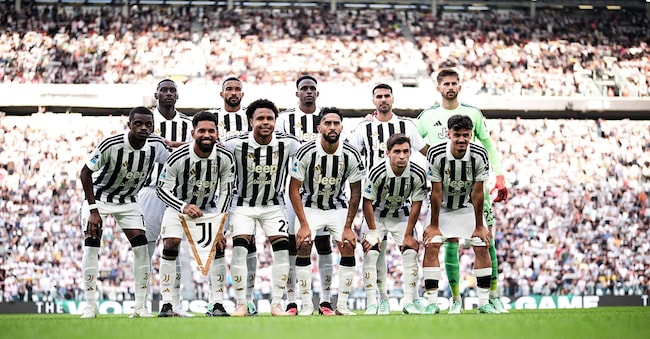
La squadra della Juventus durante la partita di calcio di Serie A tra Juventus e Atalanta all'Allianz Stadium di Torino, nel nord-ovest dell'Italia - domenica 20 settembre 2026. Sport - Calcio. (Foto di Marco Alpozzi/Lapresse) LAPRESSE

3' min read

Translated by AI
Versione italiana

3' min read

Translated by AI
Versione italiana

Juventus closed the 2025/26 financial year with a loss of 66 million euros, a result broadly in line with the forecasts made in December and with that of the previous season (-58.1 million). This figure comes against a backdrop still influenced by sporting results that fell short of expectations, though accompanied by signs of improvement on an operational and financial level.

The club has, in fact, reduced its operating costs by over 42 million compared with the previous year (including 13.5 million relating to costs incurred for temporary player signings, 10.5 million for registered players’ salaries, 9.5 million relating to ancillary charges on players’ registration rights and 8.2 million relating to costs for external services), bringing them down from 405.7 to 363.6 million, without compromising on the investments set out in the strategic plan for sporting competitiveness and the international development of the brand.

Loading...

On the commercial front, revenue from sponsorship and advertising rose to €126 million, an increase of over €20 million thanks to the agreements with Stellantis Europe and Visit Detroit coming into full effect.

At the same time, the Bianconeri ecosystem continues to expand beyond the game itself. The season saw record levels of revenue from league matches, the Stadium Tour and the Museum, whilst J|hotel and J|medical recorded their highest net profit and cash flow since opening. Average attendance at the Allianz Stadium stood at 97.6 per cent, confirming one of the highest rates in European football.

The Turin stadium is also expanding its role as a multifunctional venue. Having already hosted major concerts, it will host the 2027/28 Conference League final and is one of the stadiums being considered for inclusion in Italia’s bid for Euro 2032.

To further strengthen the capital structure, the Board of Directors will propose to shareholders an authorisation for a capital increase of up to 250 million euros. The majority shareholder, Exor N.V., which holds 65.4 per cent of the share capital, has confirmed its support by undertaking to subscribe to its allocated portion, to guarantee any unsubscribed shares and to pay €60 million immediately towards a future capital increase.

According to the club, the deal will not only serve to bolster sporting competitiveness, but also to fund potential investments in strategic property assets, brand development and the achievement of a more stable economic and financial position.

Juventus is still forecasting a loss in 2026/27, largely due to its absence from the Champions League. However, the multi-year plan forecasts a gradual improvement over the following two financial years and a significant step forward from 2027/28, assuming a return to sporting results in line with the club’s historical average.

This outlook is further bolstered by the resolution of the main outstanding issues carried over from the past, including the proceedings with IMG – which resulted in a cash inflow of 22 million euros – the settlement of the proceedings before the Court of Rome, and the conclusion of the UEFA proceedings, which led to the relevant settlement agreement.

In terms of assets, the club boasts a feature that is rare on the European scene: direct ownership of all its key strategic assets. In addition to the Allianz Stadium, Juventus owns its headquarters, the Continassa training centre and, from May 2026, the J|hotel as well. According to the valuations cited in the financial statements, the market value of these properties, as well as that of the squad, is significantly higher than the values recorded in the accounts. Furthermore, more than half of the club’s financial debt, amounting to €190 million, is directly linked to these property assets.

Loading...

Finally, the debt structure has been made more balanced thanks to the issue in September 2025 of a €150 million fixed-rate bond with a 12-year maturity, a move which has extended the average maturity of the debt and improved the club’s financial sustainability in the medium to long term.

In summary, the 2025/26 financial statements confirm that Juventus is still in the process of economic restructuring, but with costs under control, growing commercial revenue, valuable assets and the full support of Exor to tackle the next phase of development.

Copyright reserved ©
Loading...

Brand connect

Loading...

Newsletter

Notizie e approfondimenti sugli avvenimenti politici, economici e finanziari.

Iscriviti

Tutto mercato WEB