“Kaihō”, art history as seen from the other side of the globe
The exhibition “Kaihō: Japanese Women Artists after 1945” is on display at the Mudam in Luxembourg until 14 February 2027

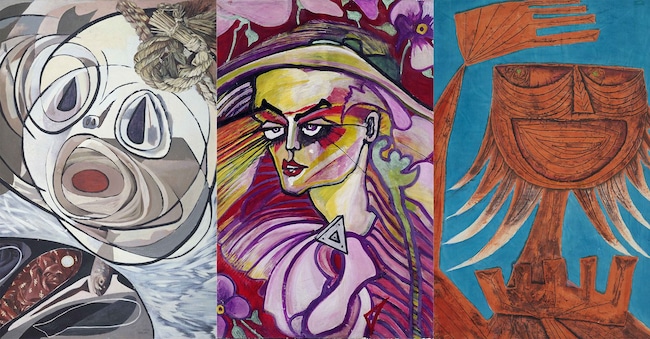
Art history has a problem with maps. It delineates centres, peripheries and main trajectories, whilst “Kaihō: Japanese Women Artists after 1945”, on display at the Mudam in Luxembourg until 14 February 2027, attempts to do exactly the opposite: it brings together thirty-nine Japanese women artists and over 120 works, shifting the focus to the post-war period and demonstrating just how much the narrative of modernism has been more fluid, international and female-centred than the canon would have us believe.
The title, “Kaihō”, means liberation, breaking free. But it is not merely the liberation of female artists from patriarchal structures. It is also the liberation of our perspective from the categories by which we have organised the art of the second half of the 20th century for decades. The exhibition, curated by Florence Ostende with Yurika Imaseki and Anaël Daoud, unfolds across five thematic chapters and encompasses painting, sculpture, photography, film, installation and performance. Many of the works have rarely, if ever, been exhibited outside Japan.
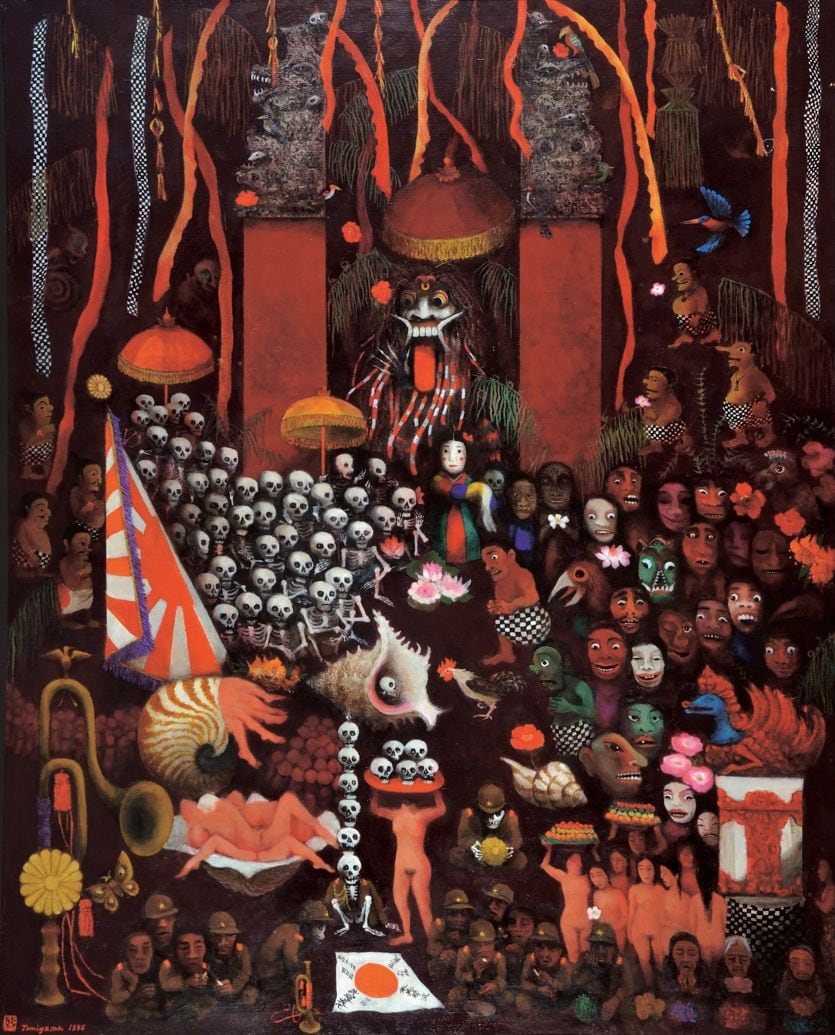
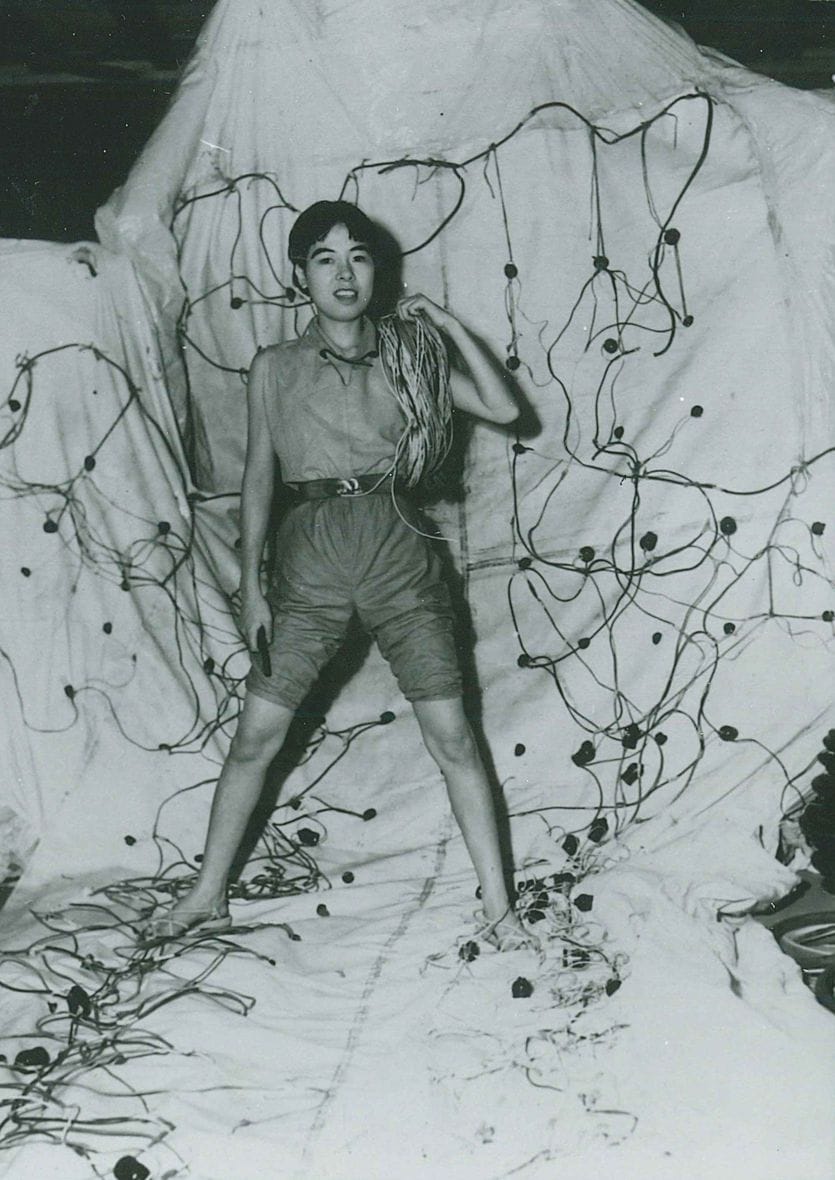
The most interesting aspect is that Kaihō does not construct an alternative genealogy simply by replacing men with women. Rather, it reconstructs a network. Post-war Japan engages in dialogue with the United States, Europe, Asia and Brazil; the female artists venture into the realms of Gutai and Fluxus, contribute to the emergence of performance and multimedia practices, and explore the relationship between body and space, and between memory and identity. Atsuko Tanaka, Yayoi Kusama, Yoko Ono, Fujiko Nakaya and Tomie Ohtake are the best-known names, but alongside them the exhibition brings to the fore figures who feature less prominently in the international narrative, from Taeko Tomiyama to Yoshiko Shimada.
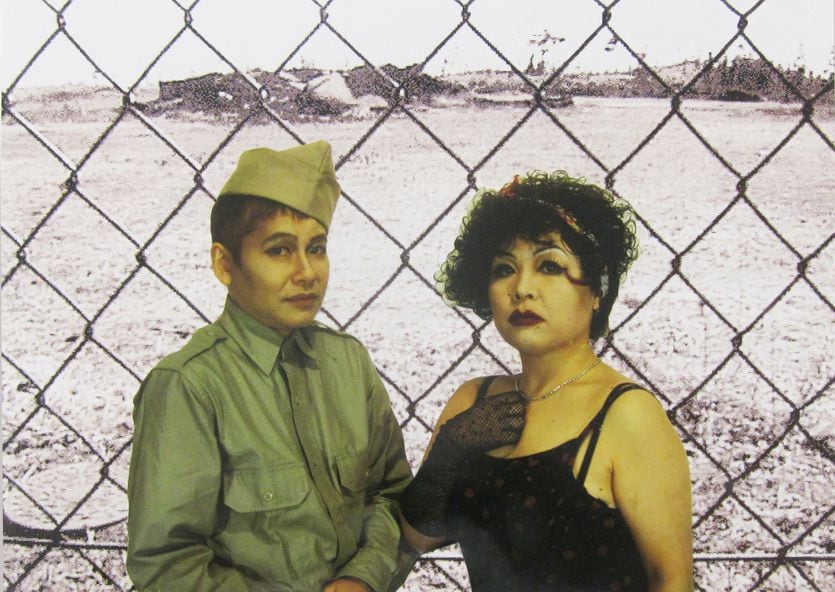
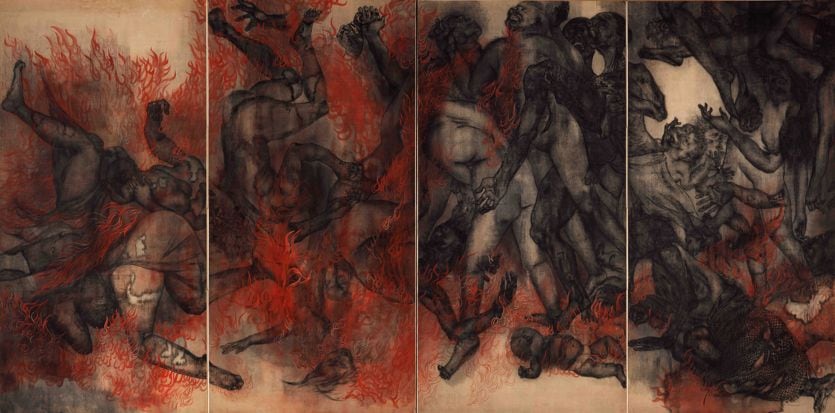
It is precisely this diversity that makes the exhibition more interesting than a mere act of recovery. War resurfaces as both personal and collective memory; imperialism, gender inequality and environmental change become artistic themes. A section dedicated to war, for example, brings together different experiences: displacement, internment camps in the United States, imperialist violence in Korea, and indigenous resistance in Okinawa. The Hiroshima Panels by Toshi and Iri Maruki also bring the memory of the atomic bomb into this constellation.
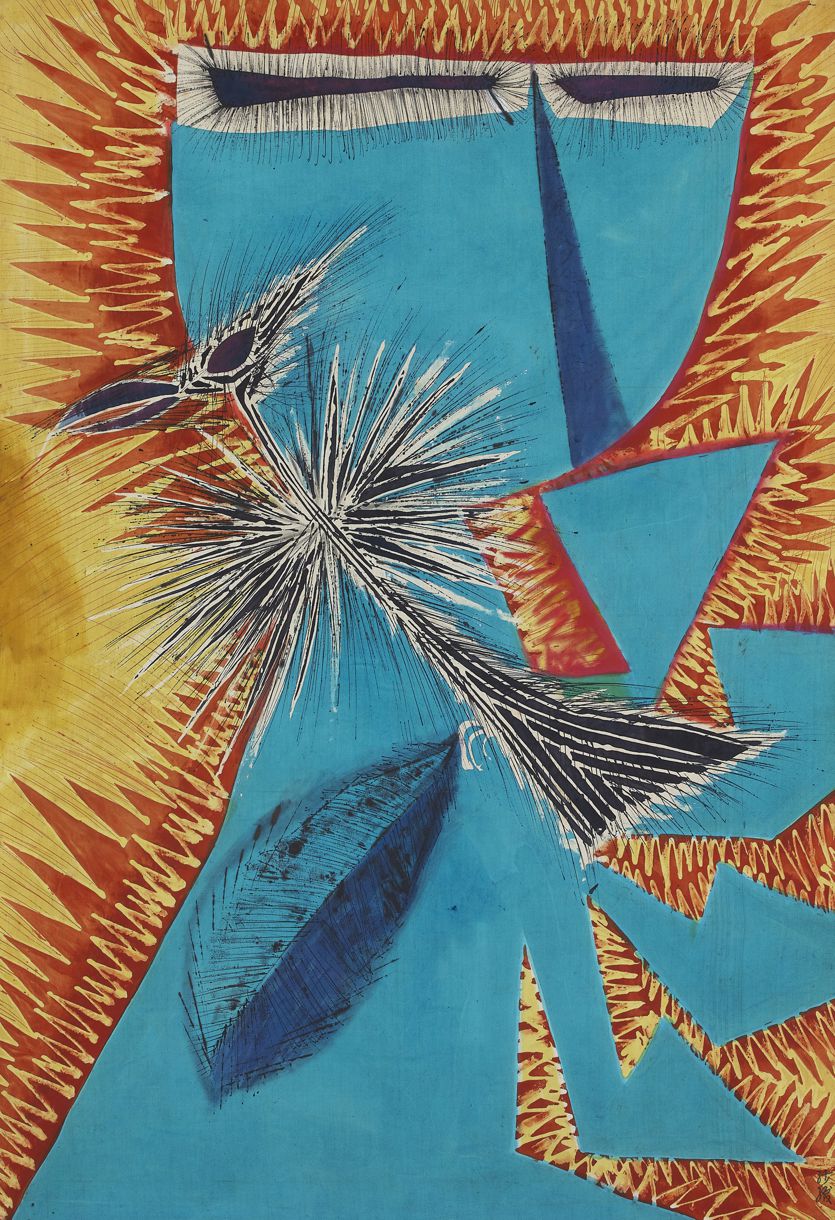
Then there is the body. Wounded, desired, clothed, disguised, transformed into a surface or a machine. It is another thread running through the exhibition, allowing us to interpret liberation not as an abstract concept, but as a practice. In this sense, ‘Kaihō’ is also a story of gestures: breaking through the surface of the painting, occupying space, staging oneself, using video, sound and objects. The shift from artwork to action becomes one of the ways in which these artists challenge inherited definitions.