
Kanye West banned from entering UK after anti-Semitism controversy
The exclusion comes after weeks of political controversy, protests by Jewish communities and the withdrawal of sponsors from the Wireless Festival, where the rapper was expected as headliner

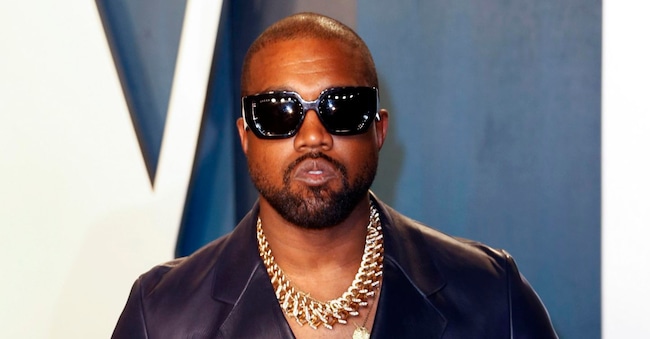
The UK has blocked the entry of Kanye West, preventing him from attending the Wireless Festival in London, where he was expected as headliner from 10 to 12 July in Finsbury Park. The decision, reported by the BBC and confirmed by British government sources, came after a visa review and in light of the controversy surrounding his anti-Semitic and racist statements in recent years. British Prime Minister Keir Starmer had called the artist's participation 'deeply troubling'.
The affair stems from the announcement of West - also known as Ye - as the headliner for three consecutive evenings of the festival, an event with around 50,000 spectators per day. Criticism has focused on a number of recent episodes: from the release of the song "Heil Hitler" to the sale of t-shirts with swastikas last year, to statements in which the rapper had claimed to "love Nazis". Despite subsequent public apologies, in which he denied being anti-Semitic and attributed part of his behaviour to manic episodes linked to bipolar disorder, the controversy has not abated.
Starmer's words were compounded by pressure from the Conservative Party. Shadow Home Secretary Chris Philp (the Home Secretary in the opposition shadow government - in this case the tories - whose job it is to scrutinise and criticise the actions of the incumbent Home Secretary) spoke of "a pattern of conduct that has caused real offence and distress to Jewish communities". Education Minister Bridget Phillipson called the rapper's statements 'completely unacceptable and disgusting', reiterating that 'there is no room for hatred, bigotry or anti-Semitism'.
Reactions also came from local institutions and civil society. The Mayor of London Sadiq Khan and several Jewish organisations objected to the artist's participation, while the Board of Deputies of British Jews accused the organisers of "profiting from racism", calling on the government to intervene and recalling previous restrictions adopted by other countries.
Meanwhile, the economic consequences for the festival were immediate. Leading sponsors such as Pepsi and Diageo withdrew their support, followed by PayPal, which decided to no longer associate its brand with the event.

