
Kei-cars, what they are and why Europe likes them
Born with in Japan, they could invade the streets of the old continent.

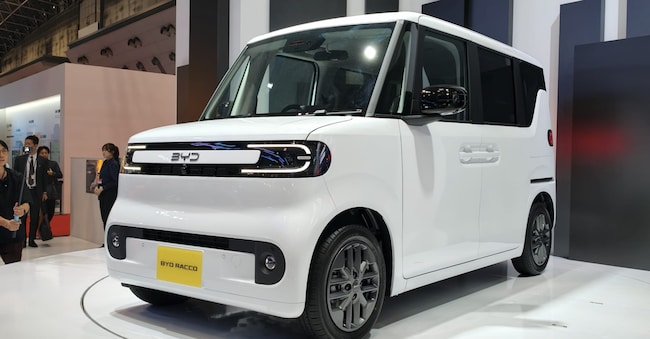
Compact dimensions, low weight, powerful enough for the city and real car characteristics. Qualities that sum up the Japanese Keicar, a true automotive segment in the Land of the Rising Sun ready to arrive in Europe too. Because while it was EU Commission President Ursula von Der Leyen who announced a European E-Car, there is a real need for compact cars with low purchase costs. Let them, however, be real cars and not micro-cars.
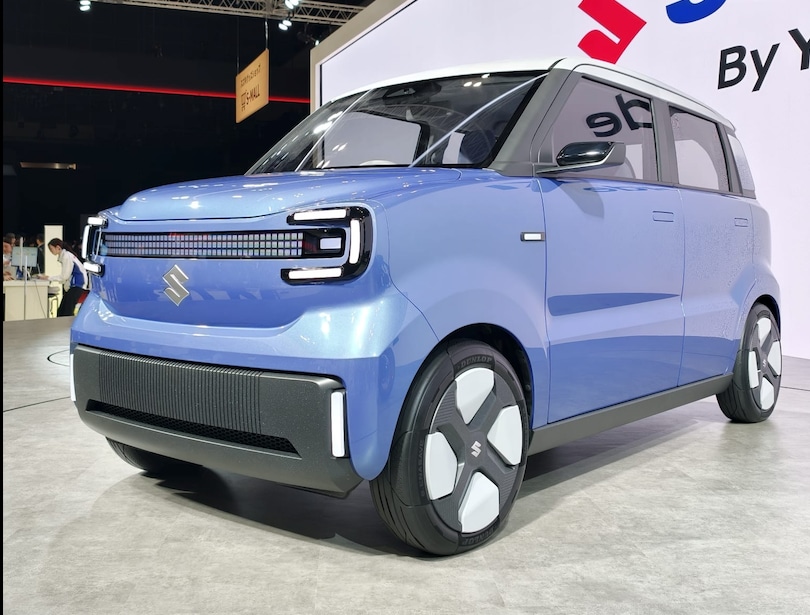
Keicar: what they are
Kei-cars (from the Japanese keitō jidōsha, 'light car') are a very specific segment of the Japanese market: size limits, limited engine capacity, dedicated regulations, subsidised taxes. Specifically, they must be no longer than 3.40 metres, have a width of no more than one metre and 48 centimetres and a power output of no more than 64 horsepower from an engine with a displacement of no more than 660 cubic centimetres. Characterised by a four-seat passenger compartment, they account for around 40% of registrations in Japan.
Kcar coming
While Japanese manufacturers have not imported any models into Europe for the time being, due to different type approval regulations, the recent Japan Mobility Show 2025 showed several models such as the Honda Super One Prototype and Suzuki Vision and Sky that are definitely interesting for European roads as well. There was also a proposal from Byd, which in Tokyo presented the Racco with about 180 kilometres of electric autonomy. For all extremely compact dimensions, angular lines and electric drive.
E Car, the European Kei Car
Ecological, economic and European. A definition arrived at by Commission President Ursula von der Leyen to describe the European E-Car. An acronym that would give rise to a new category of cars, with regulatory and construction constraints different from those required to register a city car today. Characteristics that could be similar to the Japanese K cars but with a length increased to 3.8 metres, a width of 1.7 metres and a weight limited to 1,000 kilograms with a power output of less than 70 horsepower. All this combined exclusively with electric motorisation, although electrified variants powered, for example, by biofuels could be a viable alternative so as not to depend on Chinese suppliers and offer greater mobility in areas without a widespread recharging network. All this at a price of less than 20,000 euros.

