
Ken Fisher: US tariffs are already discounted in stock market prices
In April 2025, the World Bank estimated US tariffs at an average of 28%. The January update reduced this to 17% and the figure continues to fall. Based on 2025 revenues they are less than 10%

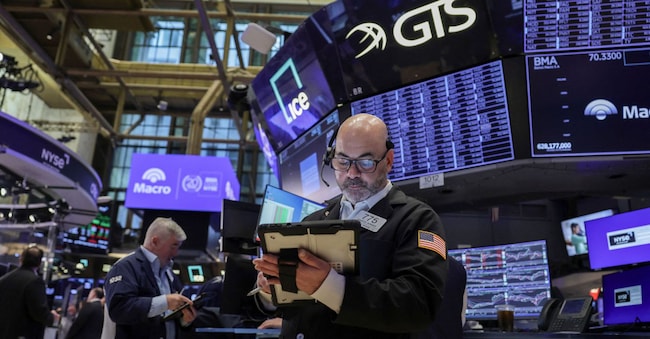
Apart from the news about the Middle East conflict, tariffs are among the most followed topics of 2026. The recent US Supreme Court ruling on tariffs, and President Trump's bizarre attacks that followed, should not affect stocks much. Indeed, the surprise effect is the factor responsible for the biggest movements in the stock markets, and since tariffs have been minutely analysed, they are no longer a surprise.
The reality is that tariffs are always bad especially for those who impose them, as the lag of US equities in 2025 shows. PM Meloni rightly calls Trump's 'a mistake'. When the 'reciprocal' tariffs were unveiled last April, including a 20 per cent tariff on the EU, their magnitude, extent and oddity shook the markets, which quickly discounted worst-case scenarios.
However, just as I expected, the reality ended up being less gloomy than expected. World trade grew by 3.4% in 2025. Eurozone exports outside the eurozone increased by 2.4 per cent. Italy's total exports in 2025 grew by 3.3% and exports to the US by more than 7%. Even China, the US's main target, saw exports grow by 5.5% in 2025, despite the collapse of shipments to the US.
The reason? Companies have found alternative solutions, such as transhipment (i.e. moving goods from one ship to another to the final destination). Chinese exports to South-East Asia skyrocketed, while US imports from Asean countries grew significantly, by 30% year-on-year in January. Coincidence? I don't think so.
Moreover, calculating tariffs is not easy. Few products come entirely from a single country: if a product is designed in Turin, manufactured in Vietnam with US machinery and components from several countries, what should be the country of origin for customs tariff purposes? And that is even before transhipment and illegal evasion of tariffs, two rather widespread phenomena.


